
A Guide to Implementing Robotics in Malaysian Manufacturing


Introduction to Robotics in Manufacturing
The integration of robotics into the manufacturing sector is transforming industries worldwide, and Malaysia is no exception. As technological advancements continue to evolve, Malaysian manufacturers are exploring the potential of robotics to enhance efficiency, productivity, and competitiveness. This guide aims to provide an overview of implementing robotics in Malaysian manufacturing, highlighting key considerations and steps involved.
Benefits of Robotics in Manufacturing
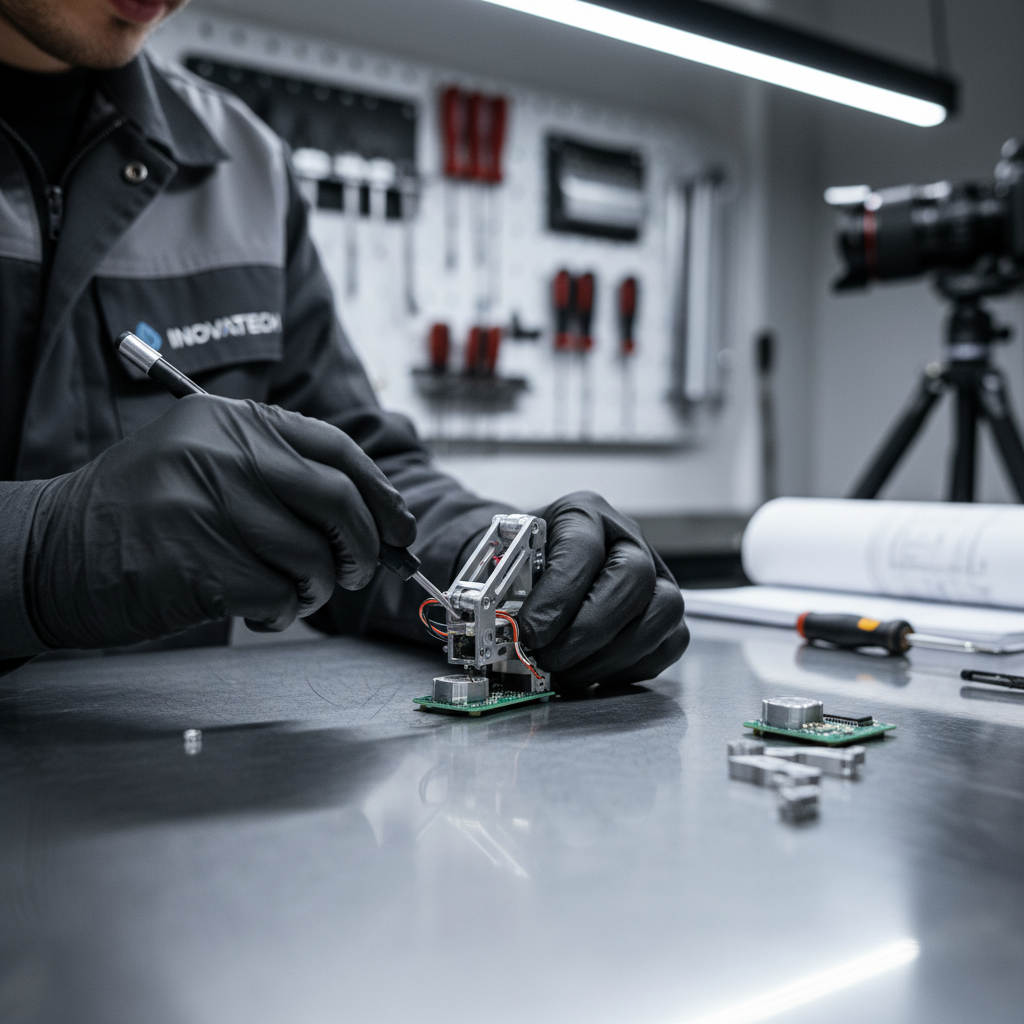
Robotics offers numerous benefits that can significantly improve manufacturing processes. These include increased precision and consistency, reduced production costs, and enhanced safety by minimizing human involvement in hazardous tasks. By leveraging robots, manufacturers can optimize their operations and achieve higher quality standards.
Moreover, the adoption of robotics can lead to faster production times and greater flexibility in handling various tasks. This adaptability is crucial for meeting the dynamic demands of the global market and maintaining a competitive edge.
Assessing Your Manufacturing Needs
Before implementing robotics, it is essential to assess your specific manufacturing needs. Consider factors such as the complexity of existing processes, the types of tasks that can be automated, and potential areas for improvement. Conducting a thorough analysis will help identify the most suitable robotic solutions for your operations.
Choosing the Right Robotic Solutions
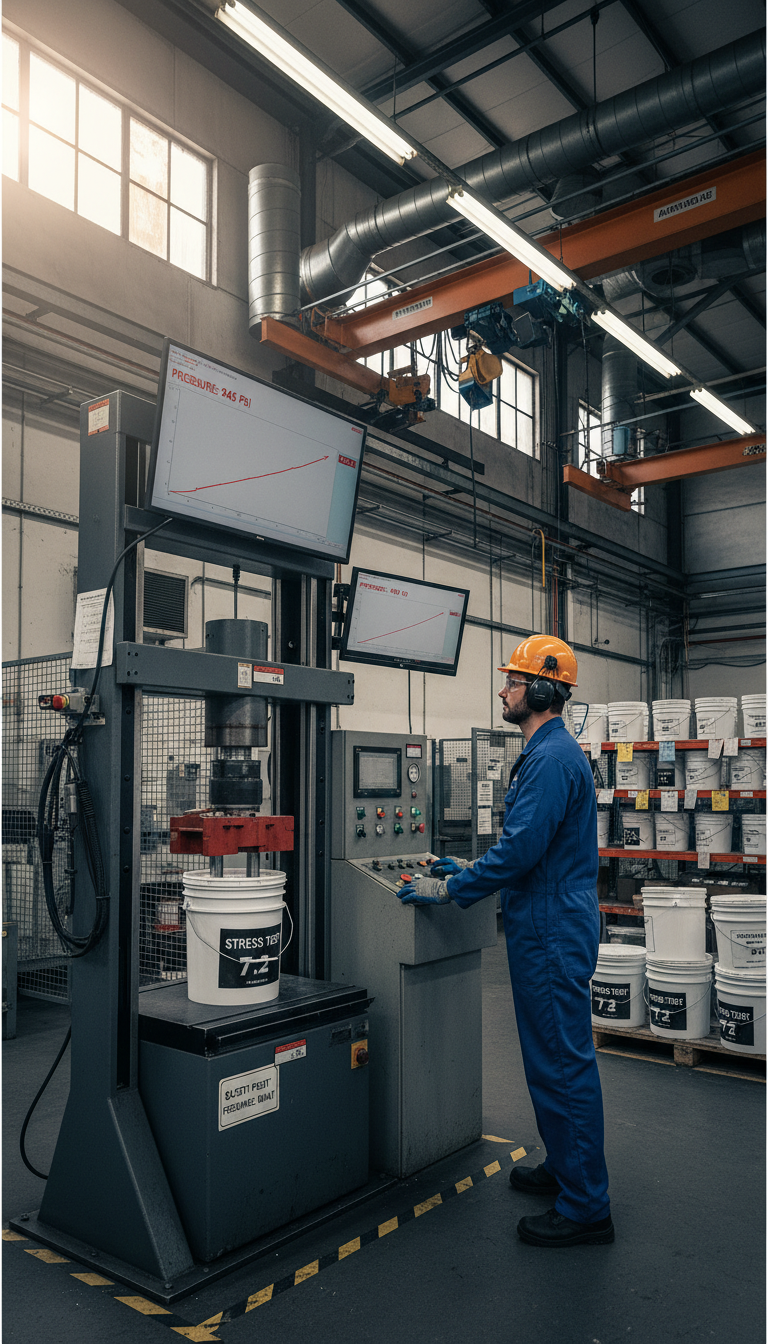
Selecting the appropriate robotic solutions involves evaluating various types of robots, such as collaborative robots (cobots), industrial robots, and autonomous mobile robots. Each type offers unique capabilities tailored to different manufacturing requirements. Collaborate with robotics experts to ensure the chosen solutions align with your production goals.
It is also crucial to consider the integration of robotics with existing systems. Seamless integration will facilitate smooth workflow transitions and minimize disruptions during the implementation phase.
Implementation Process
Implementing robotics in manufacturing involves several key steps:
- Planning: Develop a comprehensive implementation plan that outlines objectives, timelines, and resource allocation.
- Design: Customize robotic systems to fit your specific manufacturing processes.
- Testing: Conduct pilot tests to ensure systems operate effectively and achieve desired outcomes.
- Training: Provide training for employees to manage and maintain new robotic systems efficiently.

Overcoming Challenges
While the benefits of robotics are substantial, manufacturers may face challenges such as high initial investment costs, technological barriers, and workforce adaptation. Addressing these challenges requires strategic planning, investment in employee training, and building partnerships with technology providers.
Government incentives and industry collaborations can also play a vital role in supporting manufacturers through the transition to automation.
Future Prospects of Robotics in Malaysia
The future of Malaysian manufacturing is bright with the continued integration of robotics. As technology advances, we can expect further innovations that will enhance production capabilities and open new opportunities for growth. Staying informed about emerging trends and continuously adapting to changes will be key to maintaining a competitive advantage.

Conclusion
Implementing robotics in Malaysian manufacturing is a strategic move that promises significant gains in efficiency and productivity. By understanding the benefits, carefully assessing needs, and following a structured implementation process, manufacturers can successfully embrace this technological revolution. As the industry evolves, staying proactive and informed will ensure sustained success in the global market.