
Case Study: Successful Implementation of Automation Systems in Malaysian Manufacturing


Introduction to Automation in Malaysian Manufacturing
The manufacturing sector in Malaysia has experienced a significant transformation with the adoption of automation systems. As industries strive to improve efficiency, reduce costs, and enhance production quality, the integration of automated technologies has become a cornerstone for success. This case study explores how Malaysian manufacturers have successfully implemented automation and the impact it has had on their operations.
Understanding the Need for Automation
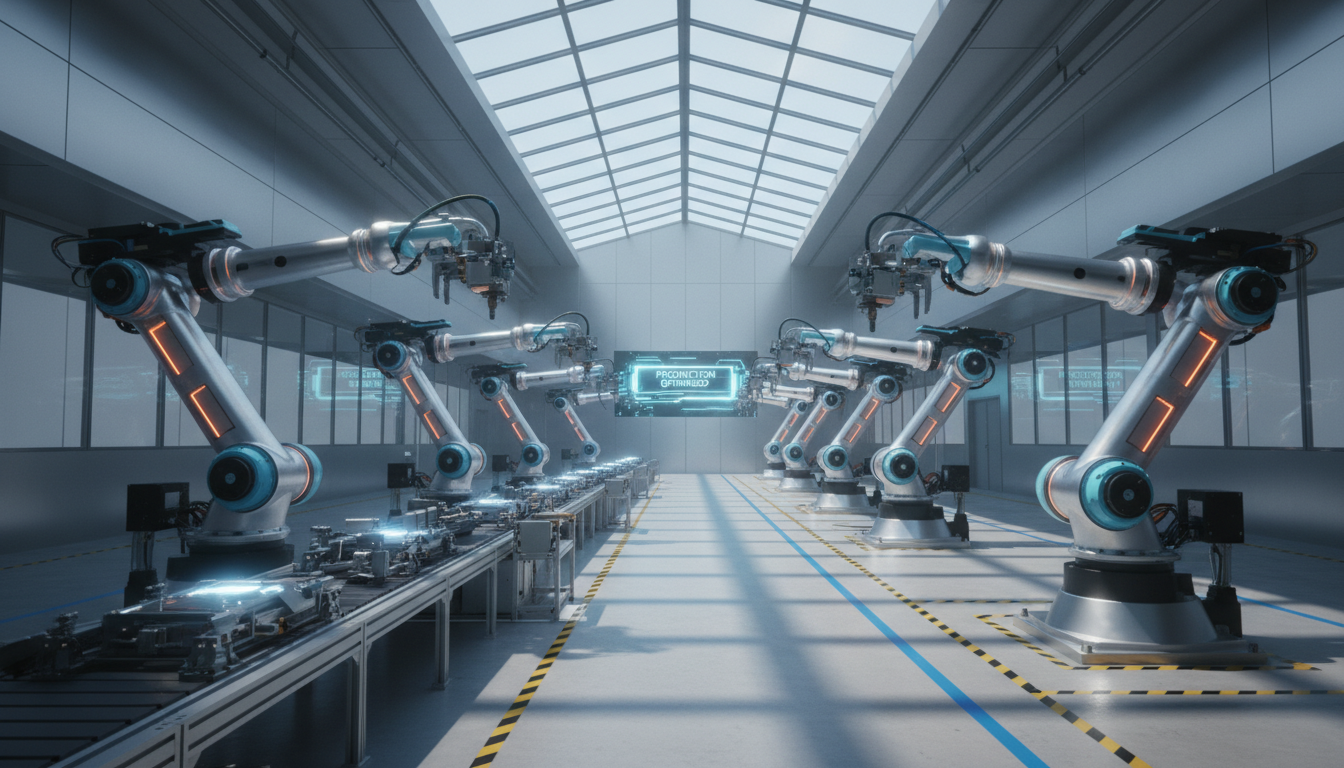
Malaysian manufacturers faced challenges such as rising labor costs and the need for consistent production quality. Automation offered a solution by streamlining processes and minimizing human error. The implementation of automated systems allowed companies to maintain competitiveness in a rapidly evolving market. This shift also aligned with Malaysia's vision to become a high-tech manufacturing hub.
Key Technologies Implemented
Several technologies have been pivotal in the automation journey of Malaysian manufacturers. Robotics, for instance, has been widely adopted for tasks ranging from assembly to packaging. Moreover, the use of the Internet of Things (IoT) has enabled real-time monitoring and data analytics, providing valuable insights into production processes. These technologies have collectively enhanced productivity and operational efficiency.
Challenges in Implementation
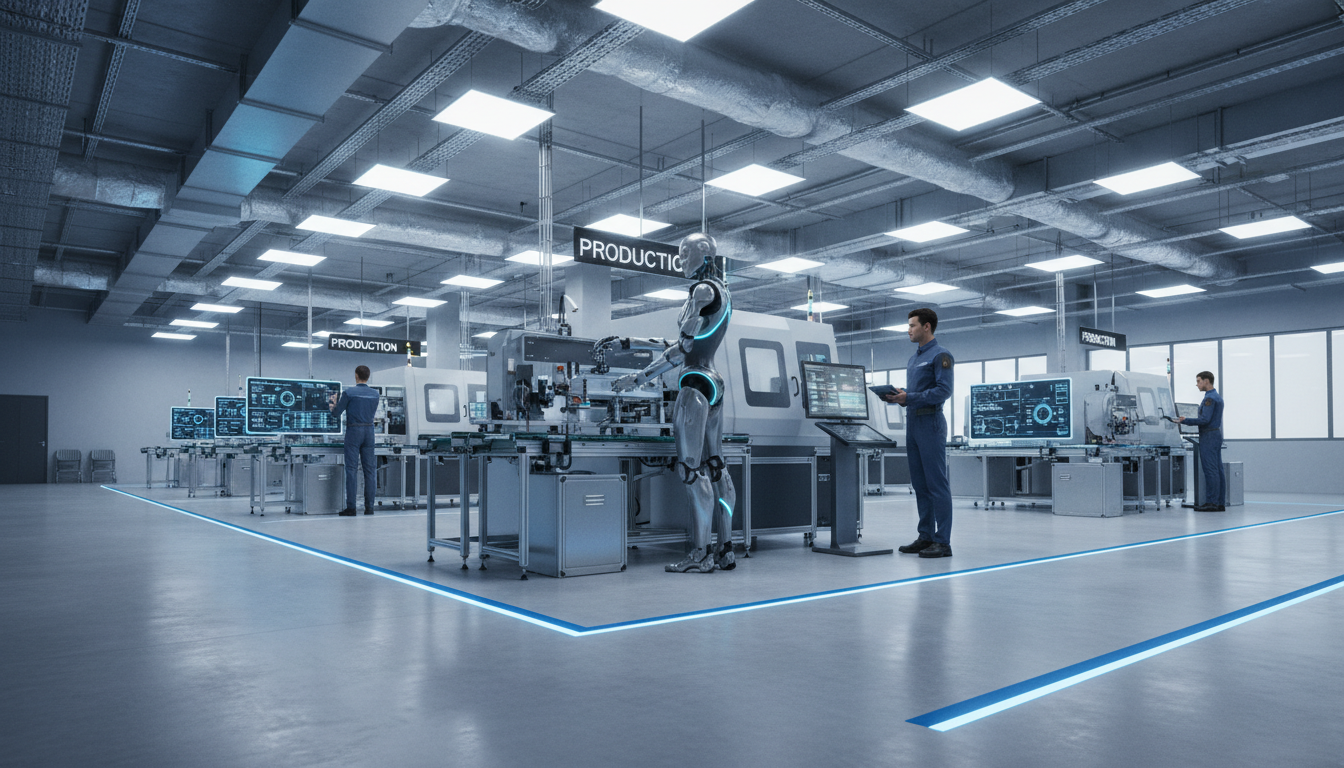
While the benefits of automation are clear, the path to implementation is not without challenges. Companies often face obstacles such as high initial investment costs and the need for skilled personnel to manage advanced systems. Additionally, integrating new technologies with existing infrastructures can be complex. However, many Malaysian manufacturers have overcome these challenges through strategic planning and investments in training.
Case Study: A Leading Electronics Manufacturer
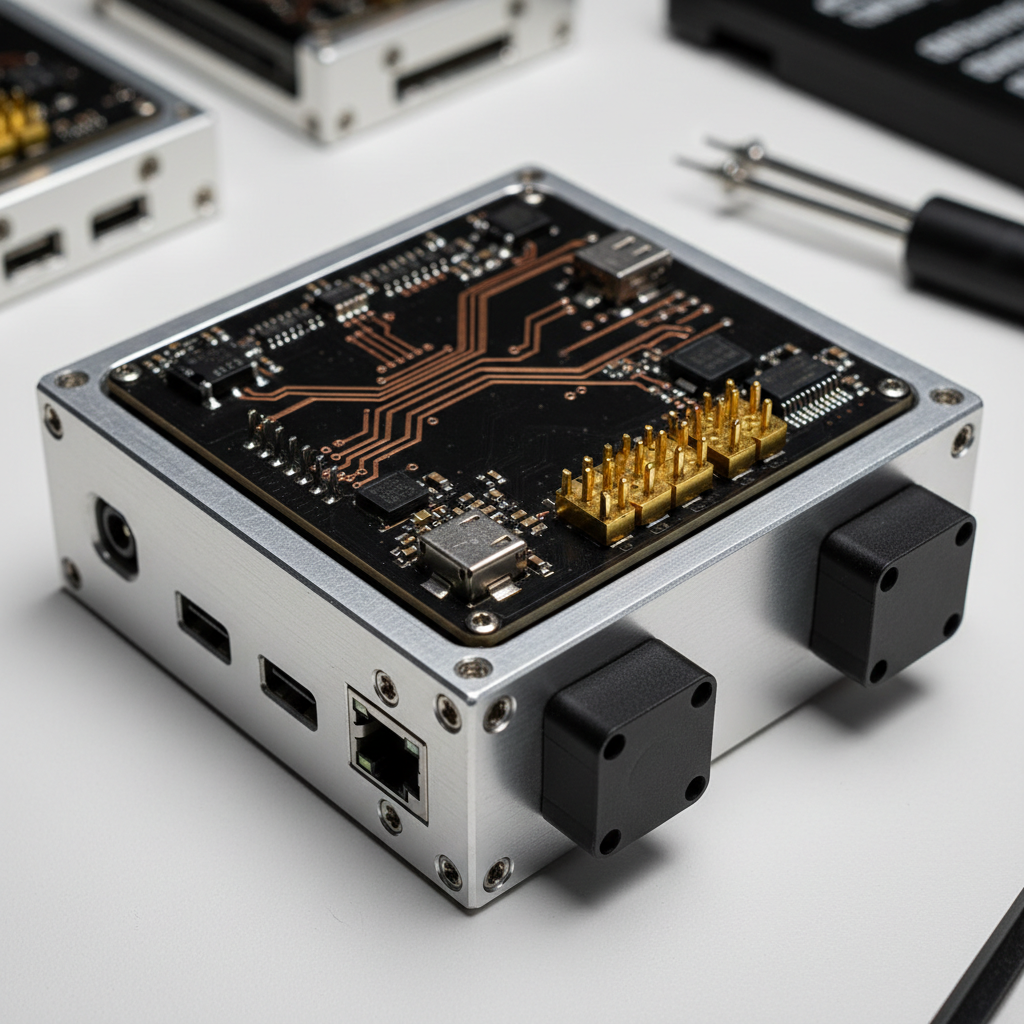
One prominent example of successful automation implementation is a leading electronics manufacturer in Malaysia. By adopting robotic assembly lines and IoT-enabled monitoring systems, the company achieved a 30% increase in production efficiency. The reduction in manual labor not only lowered costs but also improved product quality, leading to higher customer satisfaction and increased market share.
Benefits Realized
The benefits of automation in Malaysian manufacturing are substantial. Companies have reported improved consistency in product quality, reduced waste, and increased production speeds. Additionally, automation has enabled manufacturers to respond more rapidly to market demands, providing a significant competitive edge. These advantages have contributed to the overall growth and resilience of the manufacturing sector.
Looking Ahead: The Future of Automation
The future of automation in Malaysia looks promising, with continuous advancements in technology expected to drive further improvements. The integration of artificial intelligence and machine learning is anticipated to enhance predictive maintenance and decision-making processes. As manufacturers continue to innovate, the potential for automation to revolutionize the industry is immense.

Conclusion
In conclusion, the successful implementation of automation systems in Malaysian manufacturing demonstrates the transformative power of technology. By embracing automation, manufacturers have not only improved operational efficiency but have also positioned themselves for sustainable growth. As the industry continues to evolve, automation will undoubtedly play a crucial role in shaping the future of manufacturing in Malaysia.