Common Misconceptions About Robotic Process Automation: Myth-Busting Insights


Understanding Robotic Process Automation
Robotic Process Automation (RPA) is revolutionizing the way businesses handle repetitive tasks. Despite its growing popularity, several misconceptions about RPA persist. This article aims to debunk these myths and provide clarity on what RPA truly entails.
Myth 1: RPA Will Replace Human Jobs
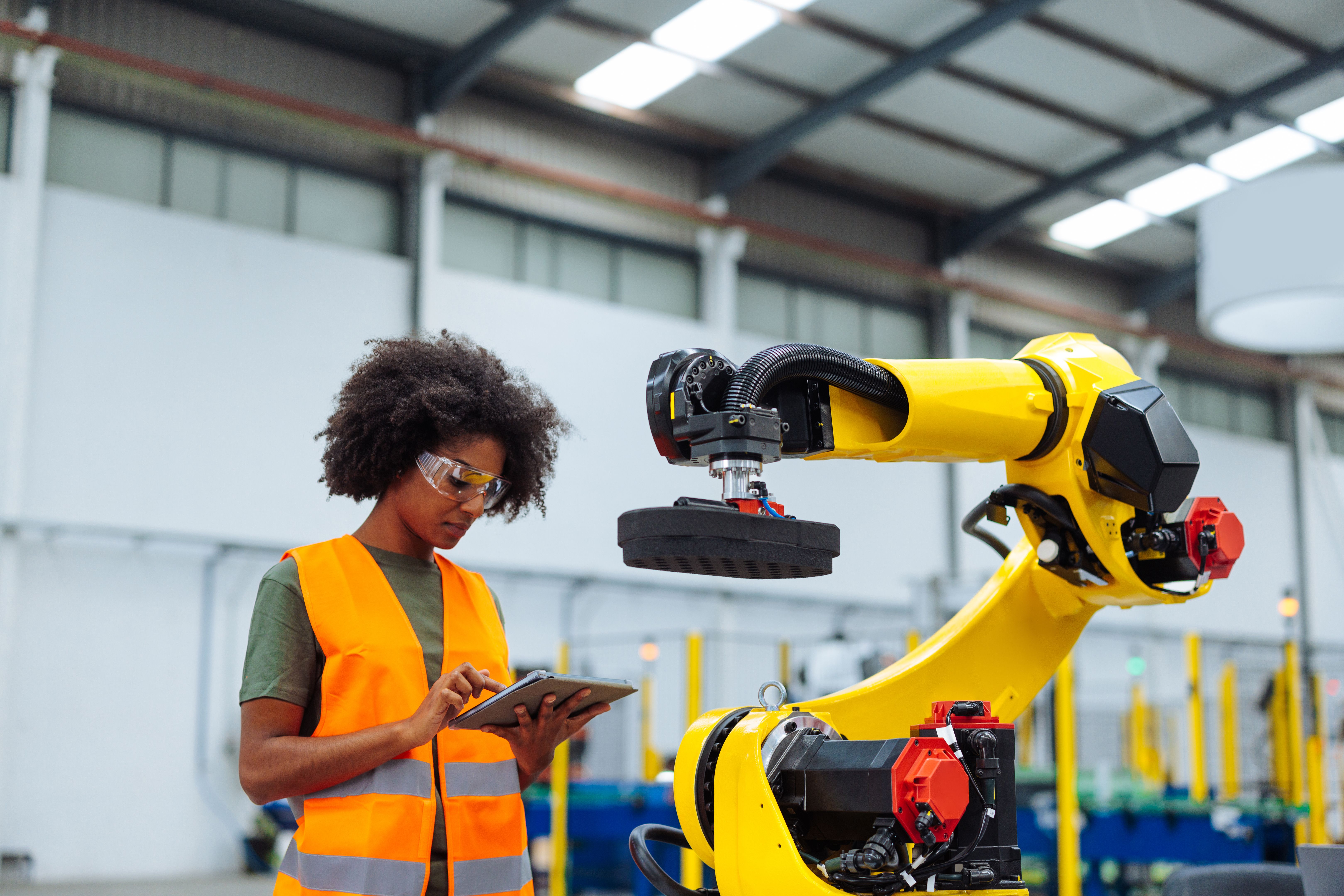
A common fear is that RPA will lead to massive job losses. However, RPA is designed to handle repetitive, mundane tasks, allowing employees to focus on more strategic and creative work. Instead of replacing jobs, RPA transforms them, enhancing productivity and job satisfaction.
In reality, RPA often requires human oversight and management. As businesses adopt RPA, new roles emerge, such as RPA developers and analysts, creating opportunities for professional growth.
Myth 2: RPA is Only for Large Enterprises
Many believe that RPA is a tool only large corporations can afford. However, the scalability and flexibility of RPA make it suitable for businesses of all sizes. Small and medium-sized enterprises (SMEs) can particularly benefit from RPA by automating time-consuming tasks without significant financial investment.

Cloud-based RPA solutions have made it more accessible, offering cost-effective options that do not require extensive IT infrastructure.
Myth 3: RPA Implementation is Complex and Time-Consuming
Another misconception is that RPA implementation is a lengthy and complicated process. While it may seem daunting, RPA solutions are designed for ease of use. Many platforms offer user-friendly interfaces and drag-and-drop features, enabling even non-technical users to build automated workflows.
- Quick deployment
- Minimal disruption
- Scalable solutions
Myth 4: RPA Lacks Flexibility
Some critics argue that RPA is too rigid and cannot adapt to changing business needs. In contrast, RPA systems are highly customizable. They can be programmed to handle exceptions and integrate with existing systems, ensuring seamless operations and adaptability.

The ability to rapidly adjust RPA workflows allows businesses to stay agile and responsive to market demands.
Myth 5: RPA is the Same as Artificial Intelligence
RPA is often confused with artificial intelligence (AI), but they are distinct technologies. RPA automates rule-based tasks, while AI focuses on cognitive tasks like learning and decision-making. Together, they can create powerful solutions, but they serve different purposes individually.
Understanding the differences allows businesses to leverage each technology effectively, maximizing their potential benefits.
Conclusion: Embracing RPA with Confidence
By dispelling these myths, businesses can embrace RPA with a clearer understanding and confidence. This technology offers a myriad of benefits, from improved efficiency to cost savings, without the drawbacks commonly associated with it. As RPA continues to evolve, staying informed will enable companies to harness its full potential.