
Expert Insights: Preparing for a Robotics-Driven Future in Southeast Asia


The Rise of Robotics in Southeast Asia
Southeast Asia is on the brink of a technological revolution, driven primarily by the rapid advancement of robotics. As industries across the region look to enhance efficiency and productivity, the integration of robotics is becoming increasingly essential. This shift not only promises to transform the manufacturing sector but also has far-reaching implications for various other industries.
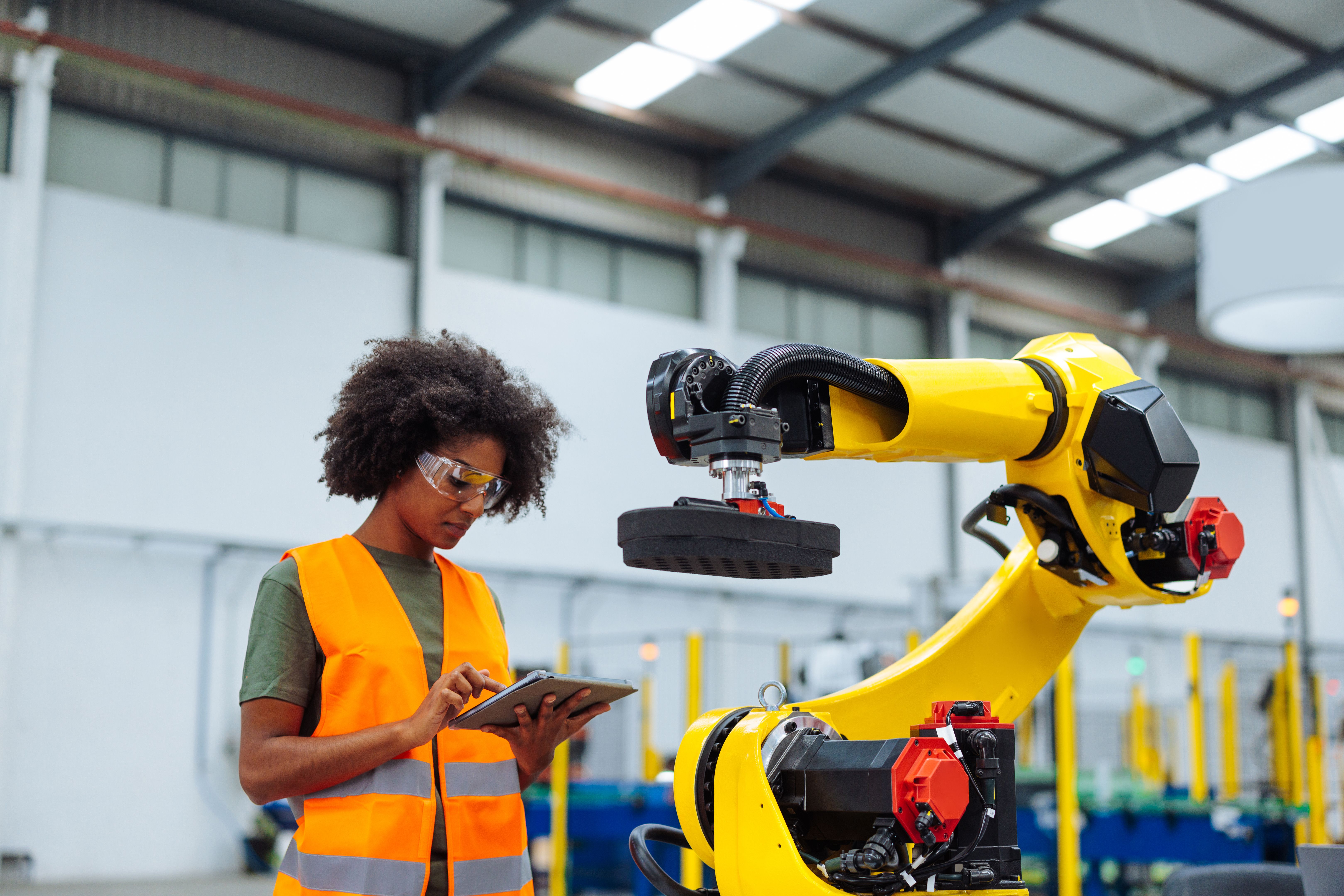
Understanding the potential of robotics is crucial for businesses looking to stay competitive. Companies that fail to adapt may find themselves outpaced by those who embrace these new technologies. In this blog, we delve into expert insights on preparing for a robotics-driven future in Southeast Asia.
Adapting to Technological Change
The first step in preparing for a robotics-driven future is to embrace change. Businesses need to foster a culture of innovation and continuous learning. By doing so, they can stay ahead of technological advancements and efficiently integrate robotics into their operations.
Investing in employee training is vital. As robotics technology evolves, so too must the skills of the workforce. Employers should offer training programs that focus on new technologies and methodologies, ensuring that their employees are equipped to handle the changes that come with automation.

Opportunities in Various Industries
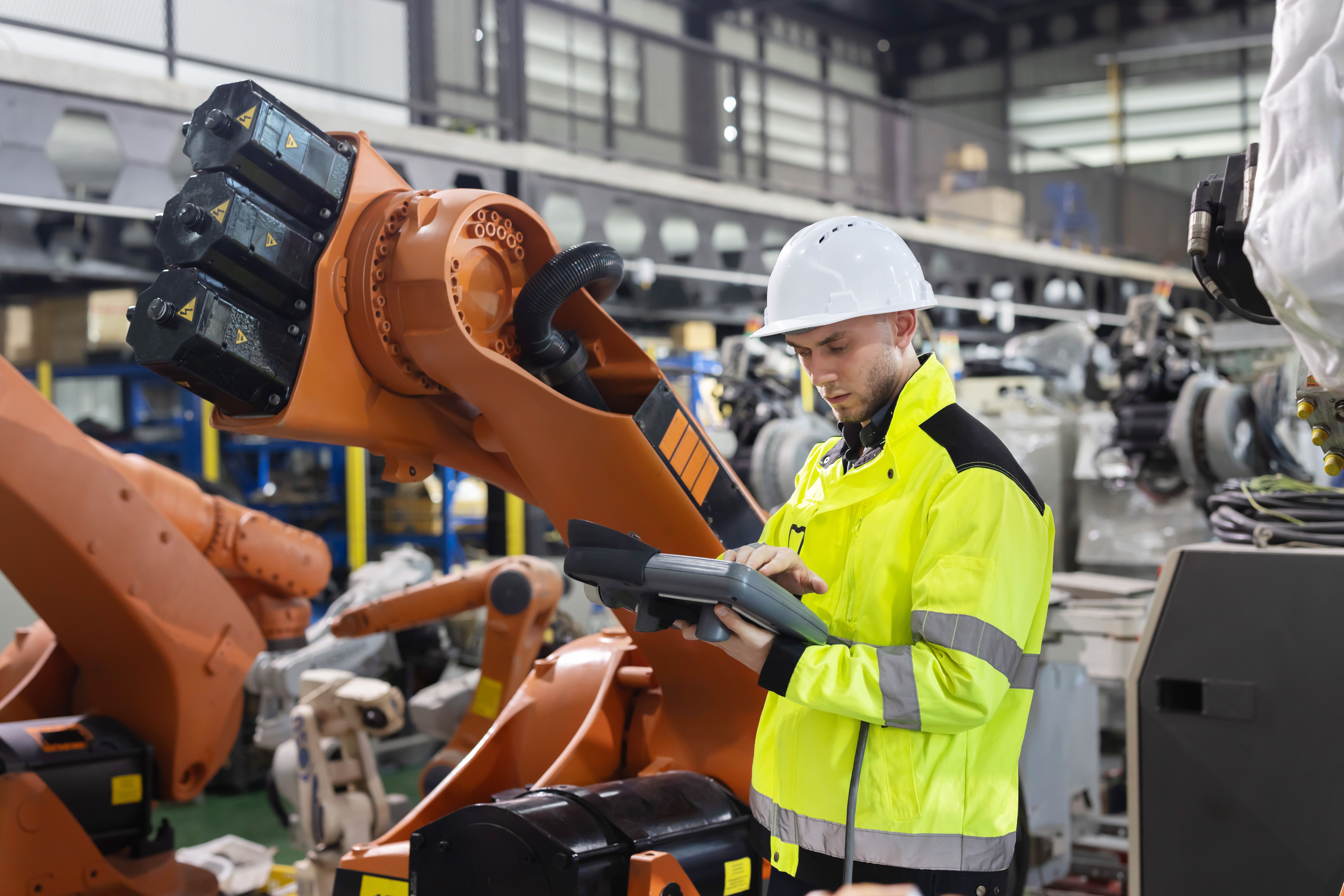
Robotics is set to revolutionize a range of industries in Southeast Asia. In manufacturing, robots can perform repetitive tasks with precision, reducing the margin for error and increasing productivity. In the healthcare sector, robotic technologies are being developed to assist in surgeries and patient care, enhancing the quality of services provided.
- Manufacturing: Automation of assembly lines and quality control.
- Healthcare: Robotic surgery and patient monitoring systems.
- Agriculture: Automated harvesting and crop management.
Challenges and Considerations
While the benefits of robotics are undeniable, there are challenges that businesses must address. One such challenge is the initial cost of investment. Implementing robotic systems can be expensive, requiring significant capital outlay. However, the long-term benefits often outweigh these initial costs.
Another consideration is the ethical implications of robotics. As robots take on more roles traditionally performed by humans, questions about job displacement and the future of work arise. Companies must navigate these challenges thoughtfully, ensuring that the transition to automation is smooth and ethical.
The Road Ahead
The future of robotics in Southeast Asia is bright, with endless possibilities for innovation and growth. By preparing now, businesses can position themselves at the forefront of this technological wave. Collaboration between governments, industries, and educational institutions will be key to fostering an environment where robotics can thrive.

As we move towards a robotics-driven future, the potential for positive change is immense. By embracing this technology, Southeast Asia can unlock new levels of efficiency, productivity, and innovation, paving the way for a prosperous future.