
Expert Insights: The Future of Robotics Automation in Malaysia


Introduction to Robotics Automation in Malaysia
Malaysia is rapidly emerging as a hub for robotics automation, driven by technological advancements and a supportive government framework. The integration of robotics in various sectors is transforming industries and boosting economic growth. Businesses are increasingly recognizing the potential of robotics to enhance productivity and efficiency.
As the nation progresses, understanding the future landscape of robotics automation becomes crucial for industry players. This article delves into expert insights and explores the trajectory of robotics in Malaysia.
Government Initiatives and Support
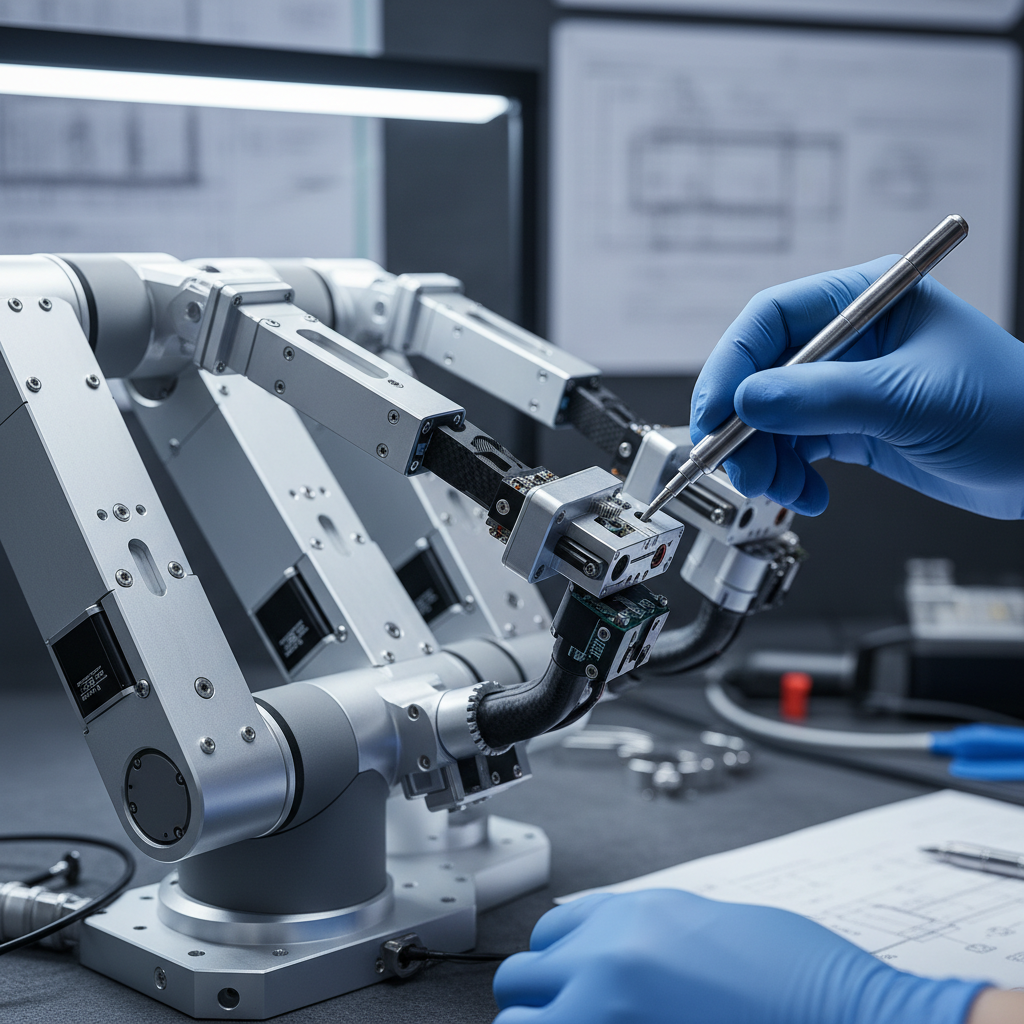
The Malaysian government has been proactive in promoting robotics and automation. Initiatives such as the National Robotics Roadmap aim to position Malaysia as a leader in this field. The roadmap outlines strategic plans to incorporate robotics across industries, enhancing competitiveness on a global scale.
Financial incentives, grants, and tax breaks are being offered to companies investing in automation technologies. These measures are designed to accelerate the adoption of robotics and encourage innovation.
Impact on Manufacturing Sector
The manufacturing sector in Malaysia is one of the primary beneficiaries of robotics automation. With the rise of Industry 4.0, manufacturers are leveraging robotics to streamline operations and reduce costs. Automation is enabling factories to operate with greater precision and flexibility.
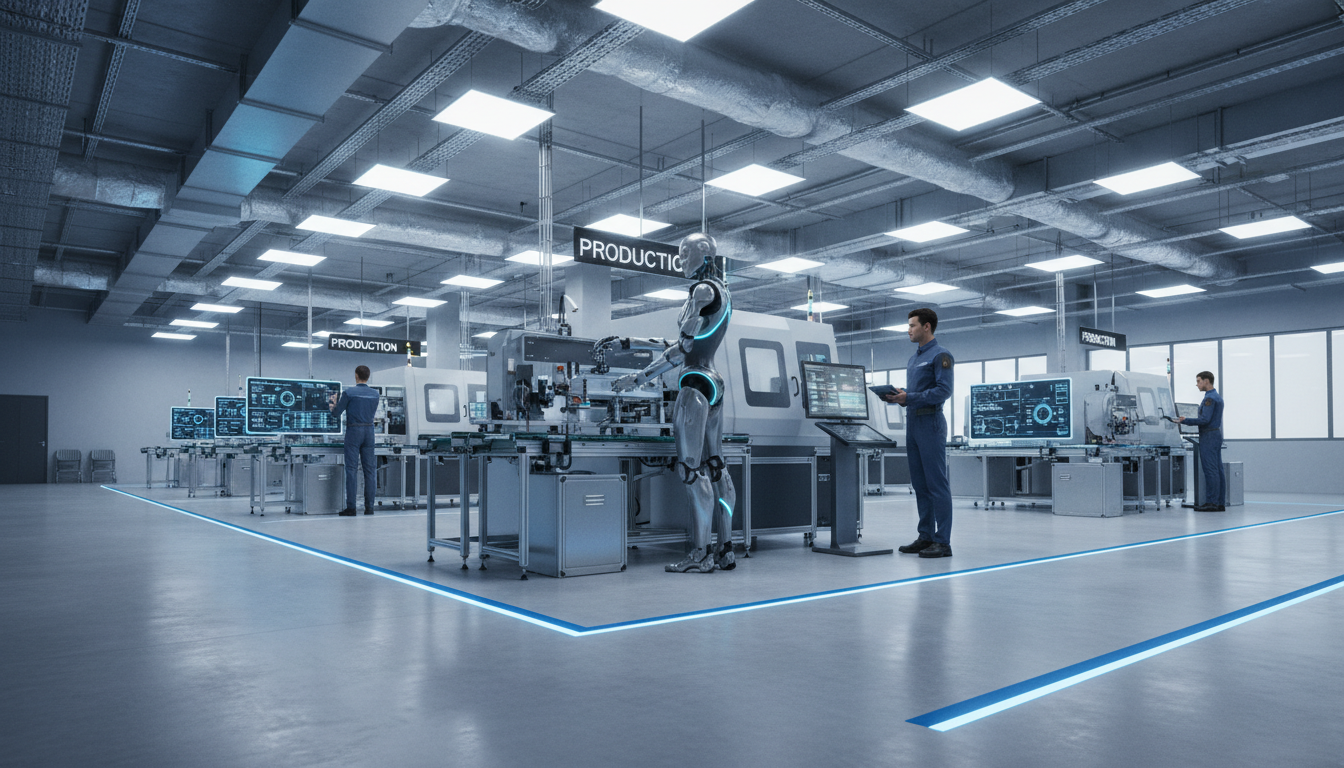
The adoption of robotics in manufacturing is not only enhancing efficiency but also creating new job opportunities for skilled workers. Upskilling the workforce is becoming a priority to meet the demands of this evolving industry.
The Role of Artificial Intelligence
Artificial Intelligence (AI) is playing a pivotal role in advancing robotics automation. AI-powered robots are capable of performing complex tasks and making decisions with minimal human intervention. This integration is opening up new possibilities in sectors such as healthcare, logistics, and agriculture.
Experts predict that AI will continue to drive innovation, leading to more sophisticated and autonomous robotic systems. The synergy between AI and robotics is expected to revolutionize the way industries operate.

Challenges and Opportunities
While the future of robotics in Malaysia looks promising, there are challenges to address. Issues such as cybersecurity, high initial investment costs, and the need for skilled talent are significant hurdles. Companies must develop strategies to overcome these challenges and harness the full potential of robotics.
On the flip side, opportunities abound for startups and tech companies to innovate and provide solutions that address these challenges. Collaborations and partnerships between government, academia, and industry are essential to foster a thriving robotics ecosystem.
Conclusion
The future of robotics automation in Malaysia is bright, with numerous opportunities for growth and innovation. As technology continues to evolve, Malaysia is well-positioned to become a leader in the robotics industry. By embracing the changes and addressing the challenges, Malaysia can pave the way for a more automated and efficient future.
Continued investment in technology and talent will be key to unlocking the full potential of robotics, driving the nation towards greater economic prosperity.