
Expert Insights: The Role of Robotics in Sustainable Manufacturing


The Rise of Robotics in Manufacturing
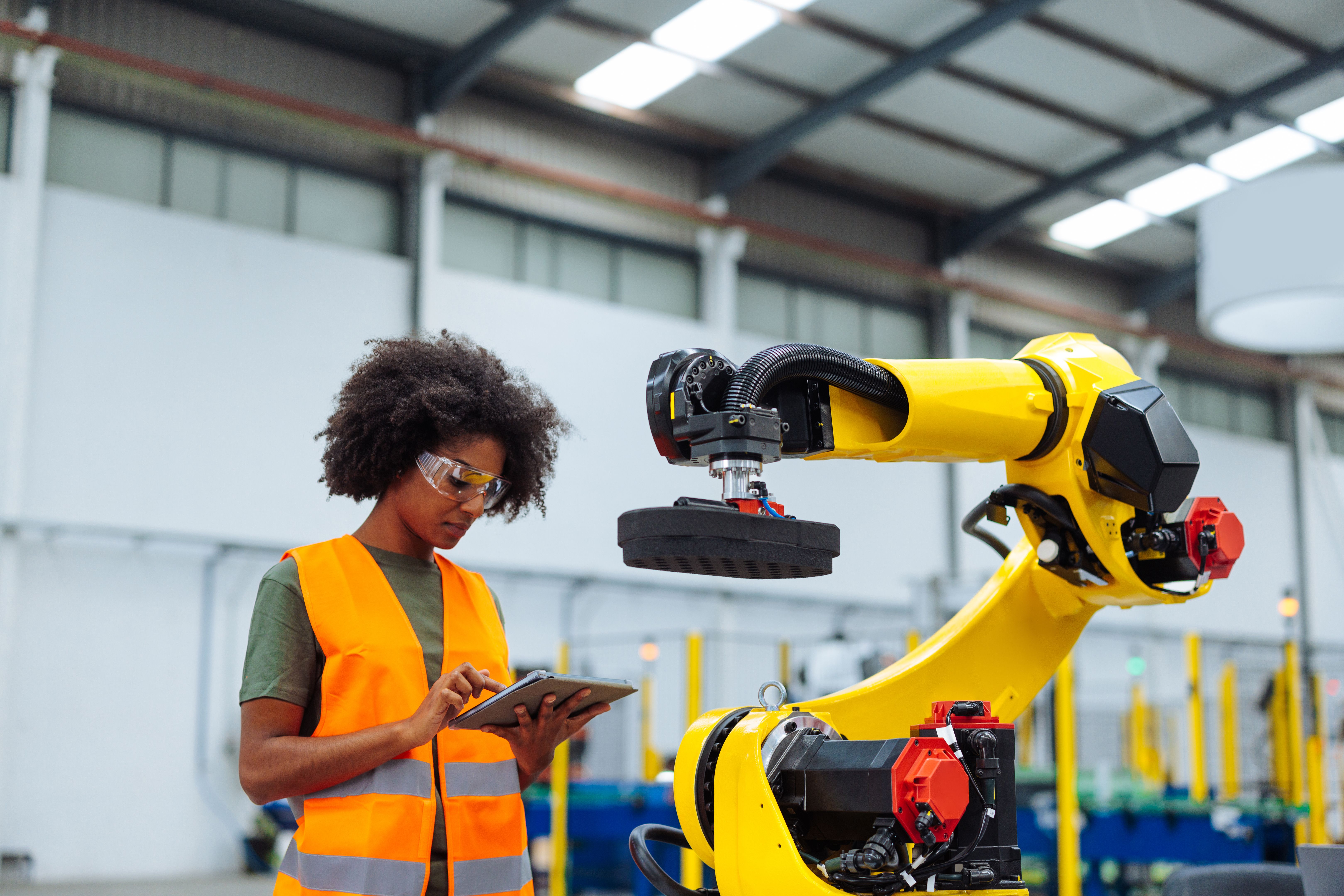
In recent years, the integration of robotics into manufacturing has transformed the industry, offering unprecedented opportunities for efficiency and sustainability. As companies strive to reduce their environmental impact, robotics plays a crucial role in minimizing waste, optimizing energy use, and enhancing precision.
Robots are particularly effective in repetitive, high-precision tasks where human error can lead to material waste. By automating these processes, manufacturers not only streamline production but also significantly reduce their carbon footprint.
Enhancing Energy Efficiency
One of the key benefits of robotics in sustainable manufacturing is improved energy efficiency. Robots can operate continuously without fatigue, leading to more consistent energy consumption. Moreover, they can be programmed to perform tasks in the most energy-efficient manner possible.
Manufacturers are increasingly adopting robots equipped with energy-saving technologies, such as regenerative drives that recycle energy during operation. This not only cuts down on energy costs but also supports broader sustainability goals.
Reducing Waste Through Precision
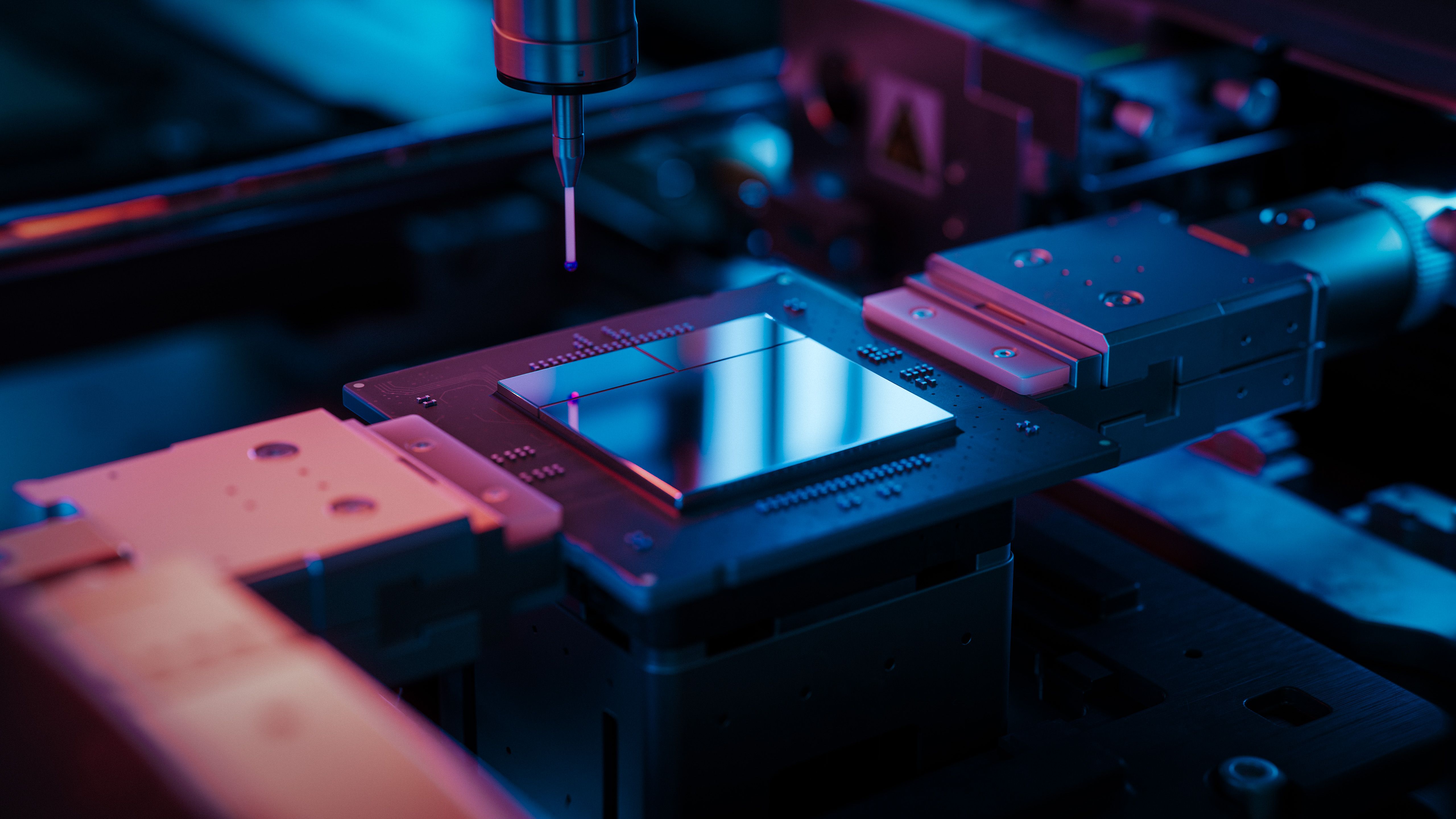
Precision is another area where robotics excels. By enhancing accuracy in manufacturing processes, robots help to minimize material waste. This is particularly vital in industries where raw materials are costly or scarce.
For example, in the automotive industry, robots are used to precisely apply paint and assemble components, reducing the likelihood of errors that would otherwise result in wasted materials and resources.
Streamlining Supply Chains
Robotics also plays a significant role in streamlining supply chains. Automated systems can improve inventory management by accurately tracking materials and finished goods. This leads to better demand forecasting and reduces the risk of overproduction.
Additionally, robots can efficiently handle the logistics of moving products within a facility, ensuring that resources are used optimally and sustainably.
Challenges and Opportunities
Despite the numerous benefits, integrating robotics into manufacturing is not without challenges. The initial investment can be substantial, and there is a learning curve associated with implementing and maintaining these systems. However, the long-term gains in sustainability and efficiency often justify the upfront costs.
Looking forward, advancements in artificial intelligence and machine learning are set to further enhance the capabilities of robotics in manufacturing. These technologies will enable even greater precision and adaptability, amplifying the sustainability benefits.

The Future of Sustainable Manufacturing
As industries continue to evolve, the role of robotics in sustainable manufacturing is set to expand. Companies that embrace these technologies are likely to lead the way in reducing environmental impact while maintaining competitive advantages.
Ultimately, the integration of robotics is not just about efficiency and cost savings—it's about paving the way for a more sustainable future in manufacturing.