
Expert Tips for Machine Learning and Robotics Integration in Malaysian Industries


As the world moves rapidly towards Industry 4.0, the integration of machine learning and robotics is becoming increasingly vital for industries in Malaysia. Companies are leveraging these technologies to optimize operations, enhance productivity, and maintain a competitive edge. This blog post explores expert tips for effectively integrating machine learning and robotics into Malaysian industries.
Understanding the Current Landscape
The first step to successful integration is understanding the current technological landscape. In Malaysia, industries such as manufacturing, agriculture, and logistics are making significant strides with automation. These sectors are ripe for transformation through machine learning and robotics, providing opportunities for innovation and growth.

Identifying Key Opportunities
Identifying the right opportunities for integration is crucial. Start by assessing your business processes to pinpoint areas where automation could yield the greatest benefits. For instance, in manufacturing, machine learning algorithms can predict equipment failures, reducing downtime and maintenance costs.
Improving Efficiency
Machine learning can significantly improve efficiency by analyzing vast amounts of data to optimize operations. In logistics, for instance, algorithms can enhance route planning, reducing delivery times and fuel consumption. Consider implementing predictive analytics to streamline supply chain management, ensuring timely deliveries and satisfied customers.
Enhancing Quality Control
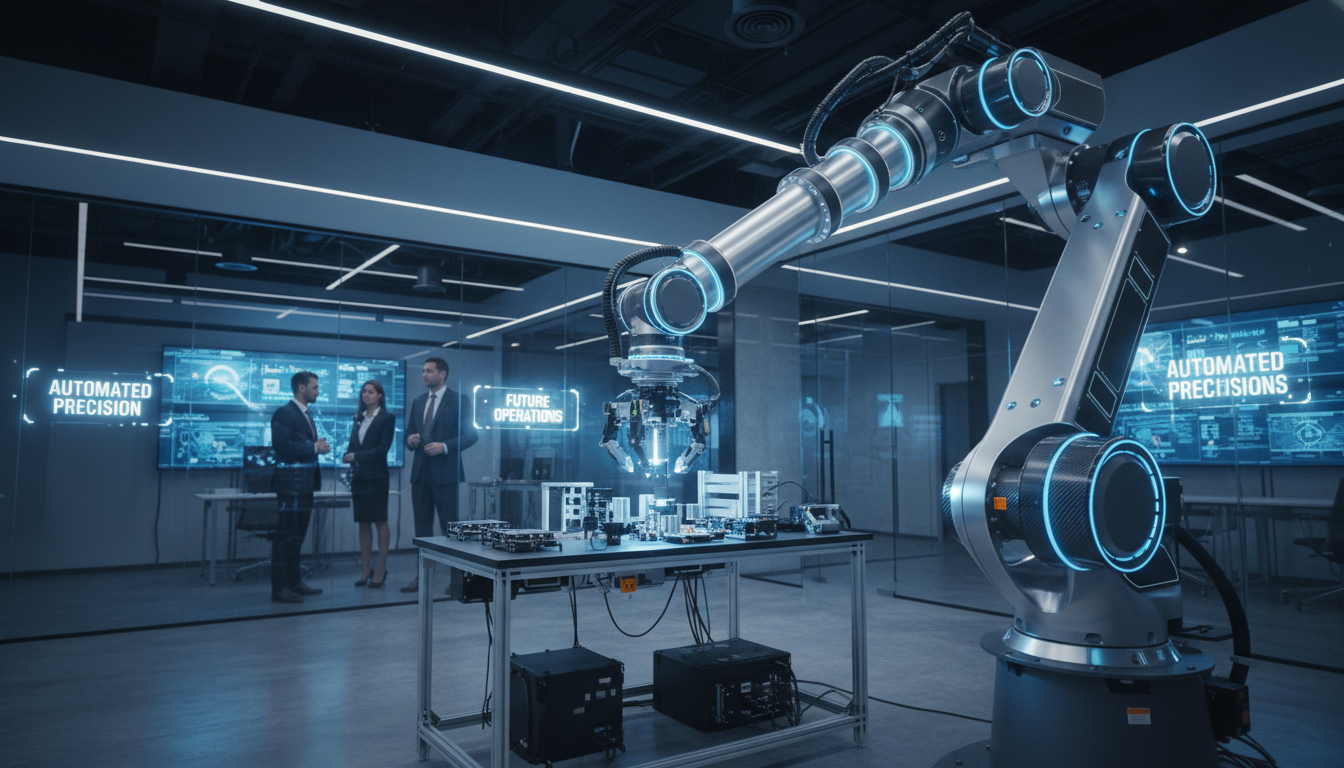
Robotics integration can revolutionize quality control processes. Automated systems equipped with machine learning capabilities can detect defects with higher accuracy and speed than human inspectors. This ensures consistent product quality and minimizes waste, contributing to sustainable business practices.
Building a Skilled Workforce
Integrating machine learning and robotics requires a skilled workforce. Investing in employee training and development is essential. Encourage your team to gain expertise in data analysis, robotics programming, and system integration. Collaborate with local educational institutions to offer internships and workshops that bridge the skills gap.

Collaborating with Technology Partners
Partnering with technology experts can accelerate your integration efforts. Collaborate with local and international tech companies to access cutting-edge solutions and expertise. These partnerships can provide insights into the latest advancements and help tailor technologies to suit your industry-specific needs.
Addressing Challenges and Risks
Integration can present challenges, including high initial costs and potential disruptions. It's vital to conduct a thorough risk assessment and develop a strategic implementation plan. Consider phased deployment to minimize disruptions and allow time for adjustments.
Ensuring Data Security
With increased reliance on data, ensuring data security becomes paramount. Implement robust cybersecurity measures to protect sensitive information. Regular audits and updates to security protocols will safeguard your systems against potential threats.
By following these expert tips, Malaysian industries can successfully integrate machine learning and robotics, paving the way for a future of enhanced productivity and innovation. Embracing these technologies will not only improve operational efficiency but also position businesses for long-term success in the ever-evolving global market.