
Exploring the Future: AI-Powered Robotic Systems in Malaysia


Introduction
As technology continues to evolve, Malaysia is positioning itself as a hub for innovation in AI-powered robotic systems. The integration of artificial intelligence with robotics promises to revolutionize various sectors, from manufacturing to healthcare, offering enhanced efficiency and new capabilities.
The Malaysian government is actively supporting this technological shift, aiming to drive economic growth and improve the quality of life for its citizens. This blog explores the exciting future of AI-powered robotic systems in Malaysia, highlighting key developments and potential impacts.
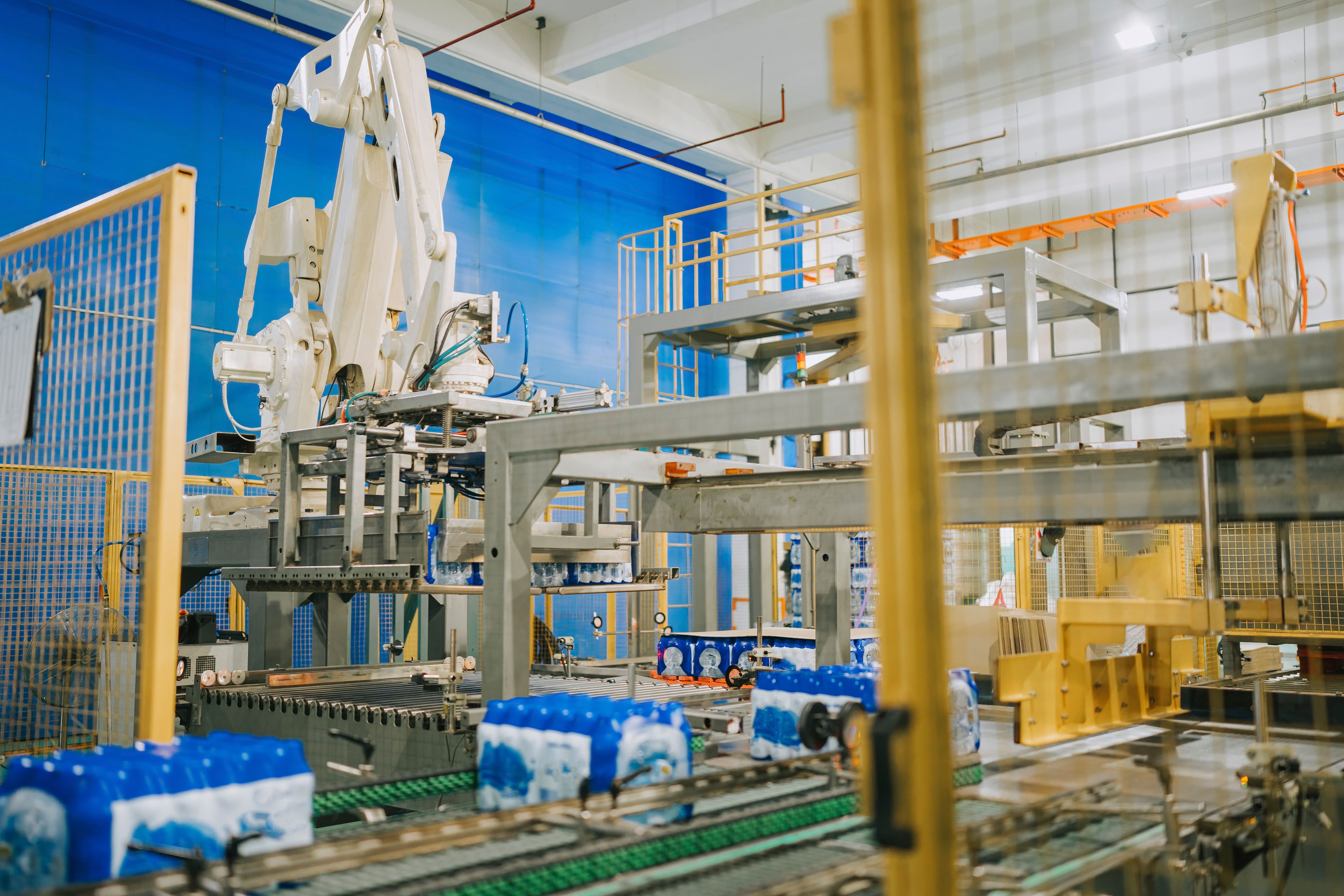
The Role of Government Initiatives
The Malaysian government has been proactive in fostering an environment conducive to technological advancement. Initiatives such as the National Policy on Industry 4.0, known as Industry4WRD, are designed to boost productivity and encourage the adoption of advanced technologies. These policies aim to transform Malaysia into a global player in the digital economy.
Support from the government includes incentives for research and development, as well as collaborations with international tech companies. This strategic approach is expected to accelerate the integration of AI and robotics across various industries.
Industry Applications
AI-powered robotic systems are finding applications in numerous sectors in Malaysia. In manufacturing, these systems enhance production efficiency and reduce human error, leading to higher quality products. In healthcare, robots equipped with AI capabilities assist in surgeries, patient monitoring, and even elderly care, providing better health outcomes.

Challenges and Opportunities
While the potential for AI-powered robotics is immense, several challenges must be addressed. These include the need for skilled professionals, data privacy concerns, and the integration of AI systems with existing infrastructure. Addressing these challenges requires collaboration between the government, private sector, and educational institutions.
Despite these challenges, the opportunities are vast. The adoption of AI in robotics can lead to significant productivity gains, enhanced competitiveness, and the creation of new job roles in emerging fields.
Education and Workforce Development
To fully capitalize on the potential of AI-powered robotics, Malaysia is investing in education and workforce development. Educational institutions are updating curricula to include AI and robotics, ensuring that the future workforce is equipped with necessary skills.
- Partnerships with tech companies for hands-on training.
- Government-funded scholarships for studies in AI and robotics.
- Community workshops and online courses to raise awareness.

Future Prospects
The future of AI-powered robotic systems in Malaysia looks promising. As technology advances, we can expect more sophisticated and versatile robots entering everyday life, contributing to sectors like agriculture, logistics, and environmental management.
Continuous innovation and investment in research and development will be crucial in maintaining momentum. By embracing these changes, Malaysia can secure a competitive edge in the global market.
In conclusion, the journey of AI-powered robotics in Malaysia is just beginning. With the right strategies and collaborations, the country is poised to harness these technologies for sustainable growth and improved quality of life.