
Exploring the Future: Machine Learning and Robotics in Everyday Applications


The Rise of Machine Learning and Robotics
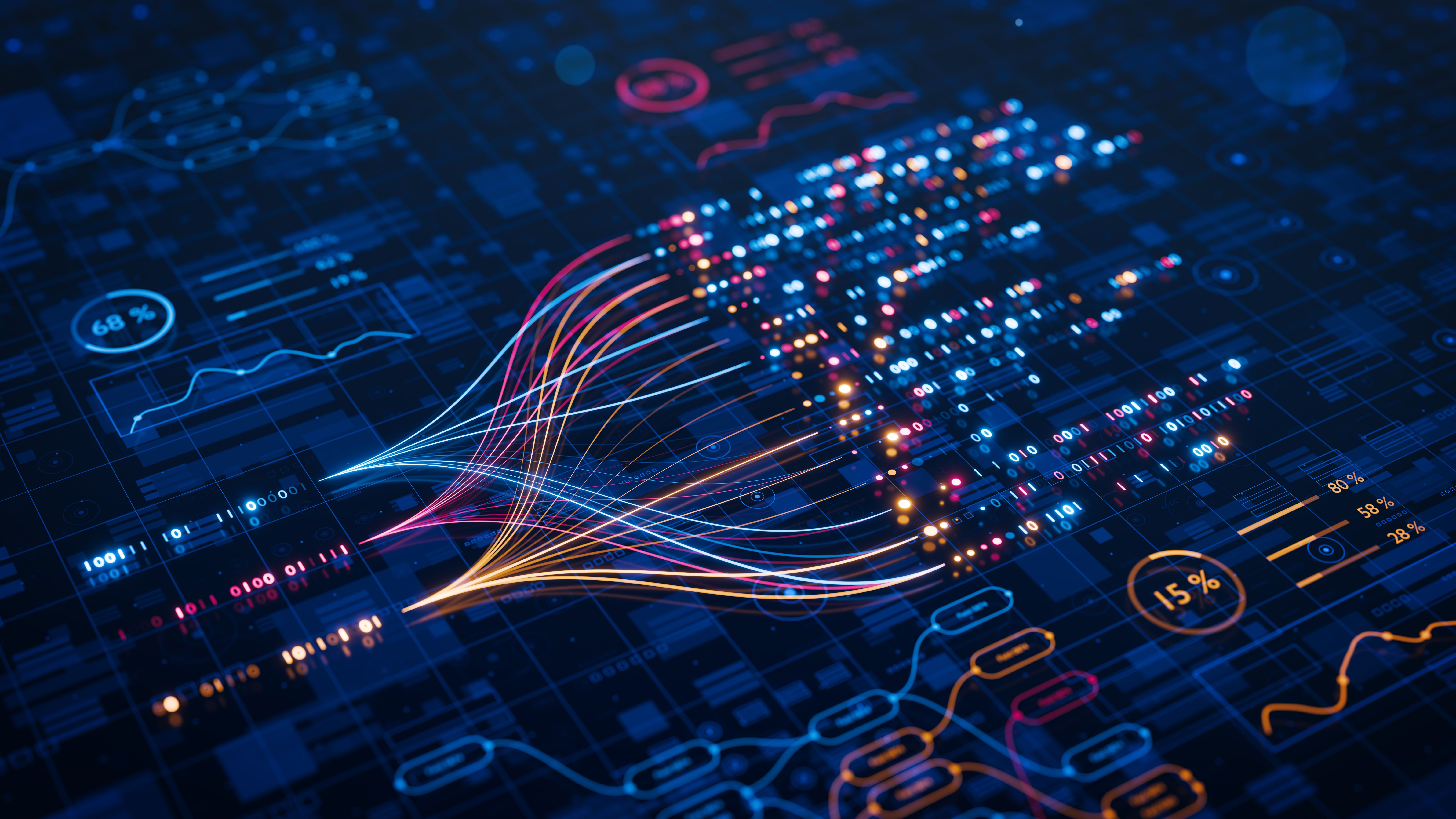
In recent years, machine learning and robotics have moved from theoretical concepts to practical applications that are transforming our daily lives. These technologies are not just for tech enthusiasts; they are becoming integral to various industries and personal spaces.
Machine learning, a subset of artificial intelligence, allows systems to learn and improve from experience without being explicitly programmed. Meanwhile, robotics involves the design, construction, and operation of robots, often incorporating machine learning to enhance functionality.
Applications in Healthcare
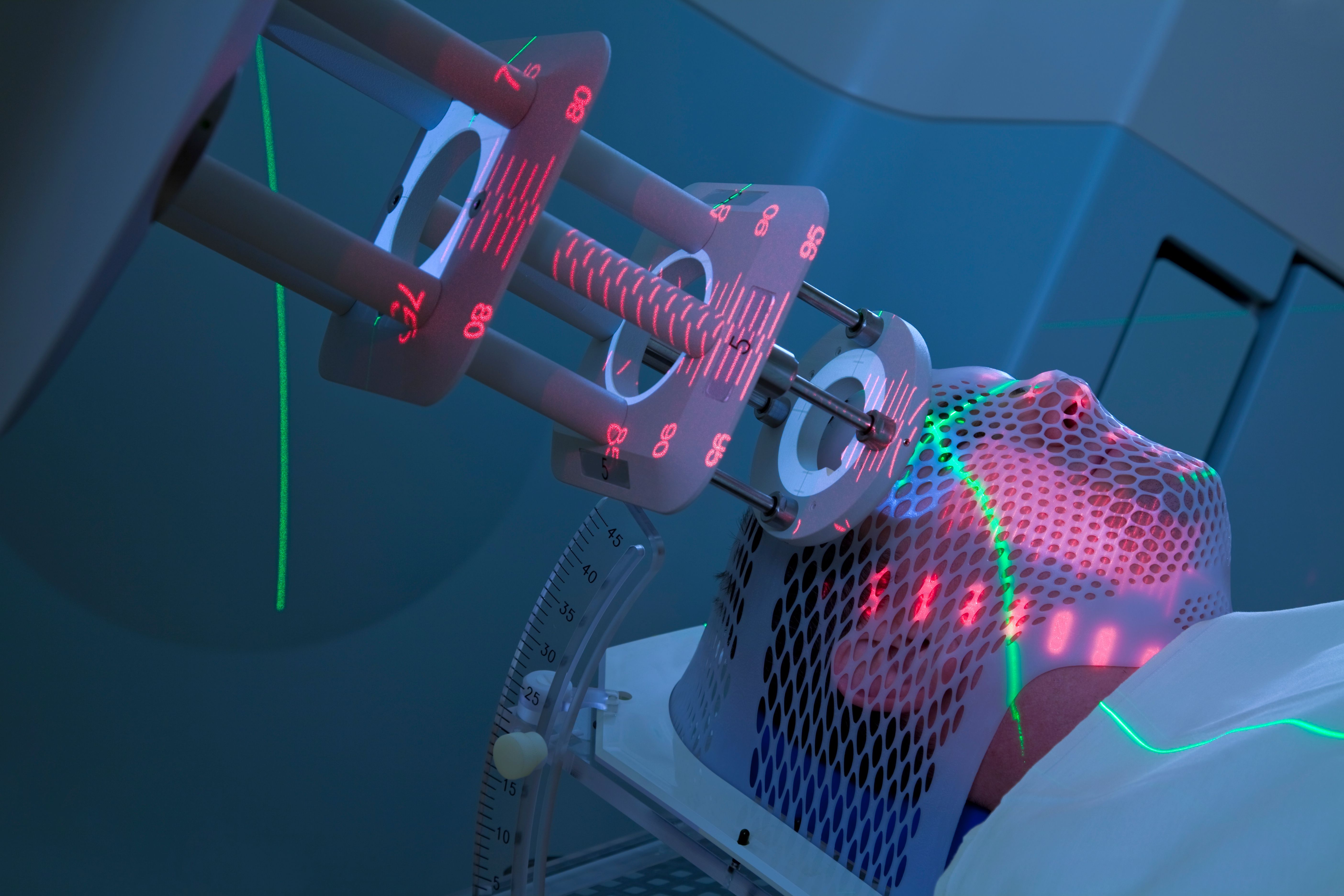
One of the most promising fields for these technologies is healthcare. Machine learning algorithms are being used to predict patient outcomes, personalize treatment plans, and even assist in surgery. Robotics, on the other hand, is playing a critical role in rehabilitation and surgery, offering precision and consistency that are unmatched by human hands.
Imagine robots performing surgeries with millimeter precision or AI systems alerting doctors to potential health issues before they become critical. These advancements are not just futuristic dreams but realities in today’s medical practices.
Smart Homes and Personal Assistants
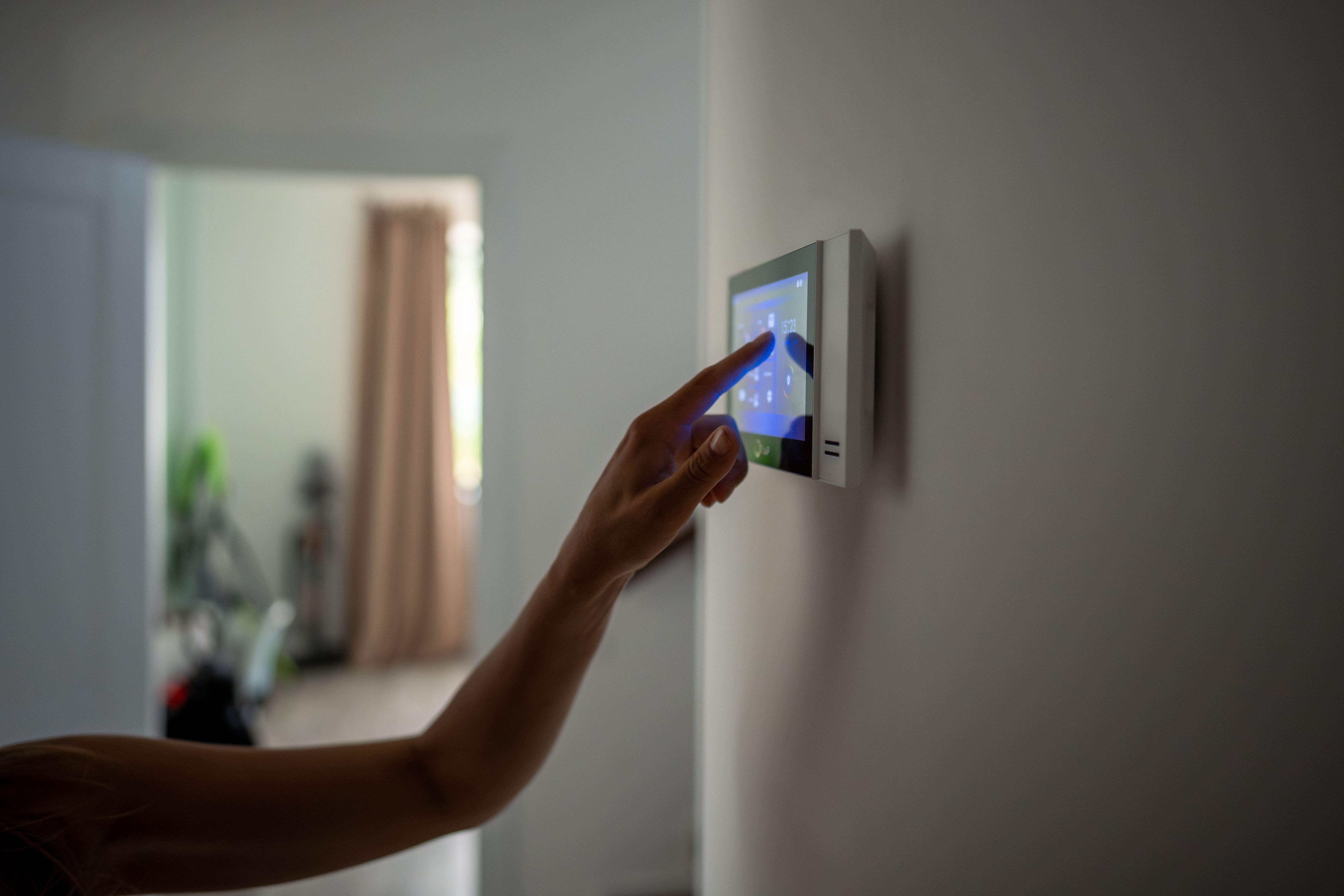
Our homes are becoming smarter, thanks to the integration of machine learning and robotics. From voice-activated assistants that manage our schedules to robotic vacuums that keep our floors clean, these technologies are enhancing convenience and efficiency.
Smart home devices learn our preferences and routines over time, creating a personalized living environment. This seamless integration of technology into our everyday lives is making homes more adaptive and responsive to our needs.
Autonomous Vehicles
Self-driving cars are another exciting application of machine learning and robotics. These vehicles use sensors and algorithms to navigate roads, interpret traffic signals, and avoid obstacles. The potential benefits are enormous, from reducing traffic accidents to easing congestion and lowering emissions.
While fully autonomous vehicles are still being perfected, the technology is advancing rapidly, promising a future where transportation is safer and more efficient.

Challenges and Ethical Considerations
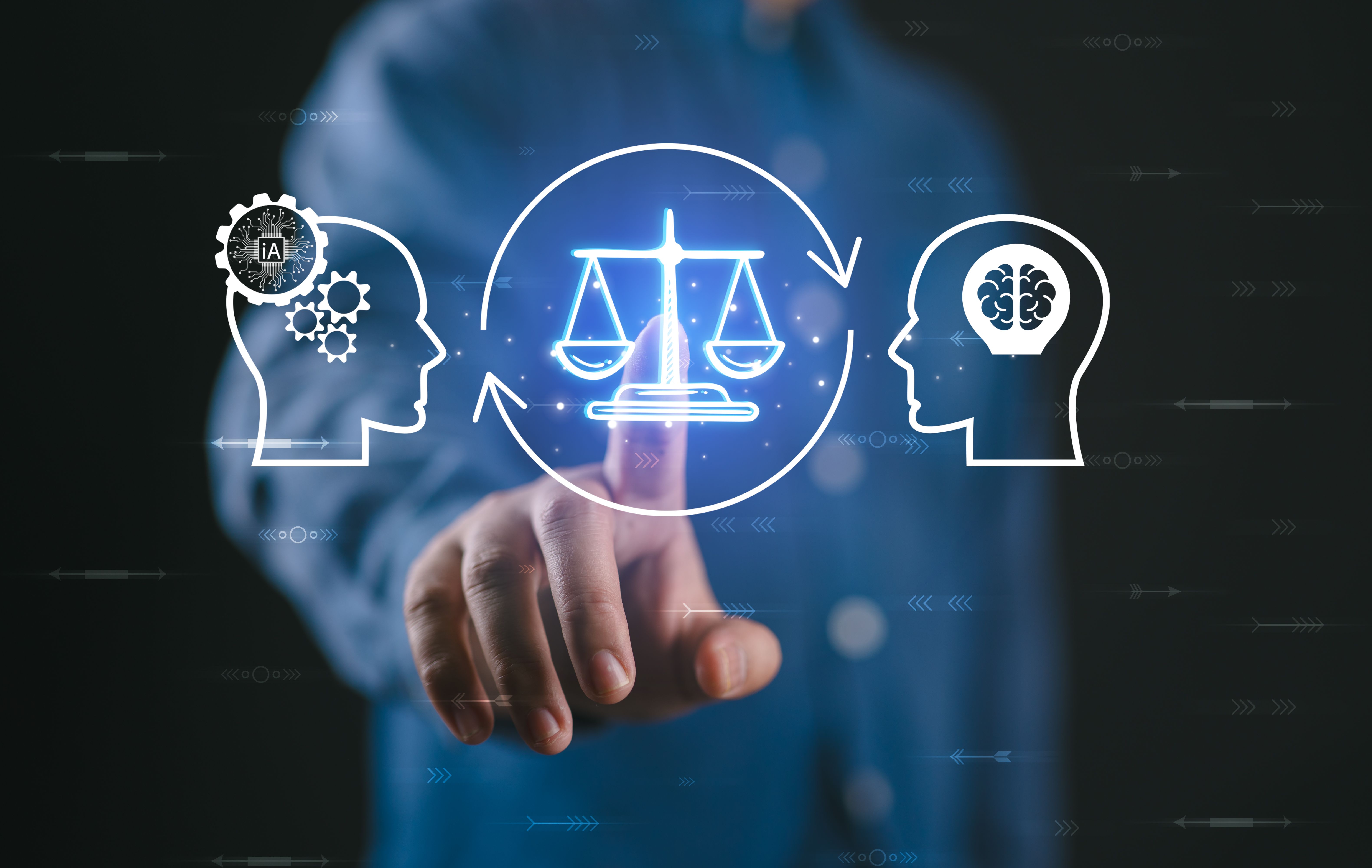
Despite the tremendous benefits, the integration of machine learning and robotics into everyday life is not without challenges. Issues of privacy, security, and ethical use of data are paramount. As these technologies become more pervasive, ensuring they are used responsibly and ethically is essential.
Developers and policymakers must work together to establish guidelines and standards that protect users while fostering innovation. Balancing these aspects will be crucial in shaping the future landscape of machine learning and robotics.
The Future Outlook
The future of machine learning and robotics is bright, with endless possibilities for innovation and improvement. As these technologies continue to evolve, they will undoubtedly unlock new opportunities and redefine what is possible in various sectors.
From healthcare to transportation, the impact of these advancements is already being felt, and their potential is only beginning to be realized. As we move forward, embracing these changes will be key to harnessing their full potential and enhancing our everyday lives.