
Exploring the Future of Robotics in Southeast Asia: Opportunities and Challenges


Introduction to Robotics in Southeast Asia
The landscape of robotics in Southeast Asia is rapidly evolving, presenting both exciting opportunities and significant challenges. As technology advances, countries in this region are increasingly investing in the development of robotics to enhance various sectors such as manufacturing, healthcare, and agriculture. This trend is driven by the need to boost economic growth and improve the quality of life.
In recent years, Southeast Asia has become a hub for innovation, with several countries emerging as leaders in robotics research and development. The integration of robotics into everyday life is a testament to the region's commitment to embracing technological advancements.

Opportunities in Robotics
Economic Growth and Job Creation
The adoption of robotics in Southeast Asia is poised to significantly contribute to economic growth. By automating repetitive tasks, industries can increase productivity and efficiency, leading to higher outputs and lower costs. This shift not only benefits businesses but also creates new job opportunities in robotics-related fields such as engineering, programming, and maintenance.
Enhancing Healthcare
Robotics is playing a crucial role in transforming the healthcare sector. From surgical robots assisting in complex procedures to robotic exoskeletons aiding in rehabilitation, the potential for enhancing patient care is immense. These innovations are particularly valuable in regions with limited access to healthcare professionals.

Challenges Facing Robotics Development
Technological Barriers
Despite the promising outlook, there are several challenges that need to be addressed. One of the primary obstacles is the technological gap. Many countries in Southeast Asia lack the infrastructure and expertise required to develop advanced robotics technology. Bridging this gap is essential for the region to fully capitalize on the benefits of robotics.
Regulatory and Ethical Concerns
The integration of robotics into society also raises important regulatory and ethical questions. Issues such as data privacy, safety standards, and the ethical use of robots must be carefully considered. Governments and policymakers need to establish clear guidelines to ensure the responsible development and deployment of robotics.

Regional Collaboration and Innovation
Collaboration among Southeast Asian countries can accelerate the growth of the robotics industry. By sharing knowledge and resources, countries can overcome individual limitations and work towards common goals. Regional partnerships can also foster innovation, leading to the development of groundbreaking technologies.
Moreover, international collaborations with leading tech nations can provide valuable insights and investment opportunities, further enhancing the region's robotics capabilities.
The Future of Robotics in Southeast Asia
As Southeast Asia continues to embrace robotics, the future looks promising. With the right investments in education, infrastructure, and policy-making, the region can emerge as a global leader in robotics innovation. The potential for economic growth, improved healthcare, and enhanced quality of life underscores the importance of continued focus on this dynamic field.
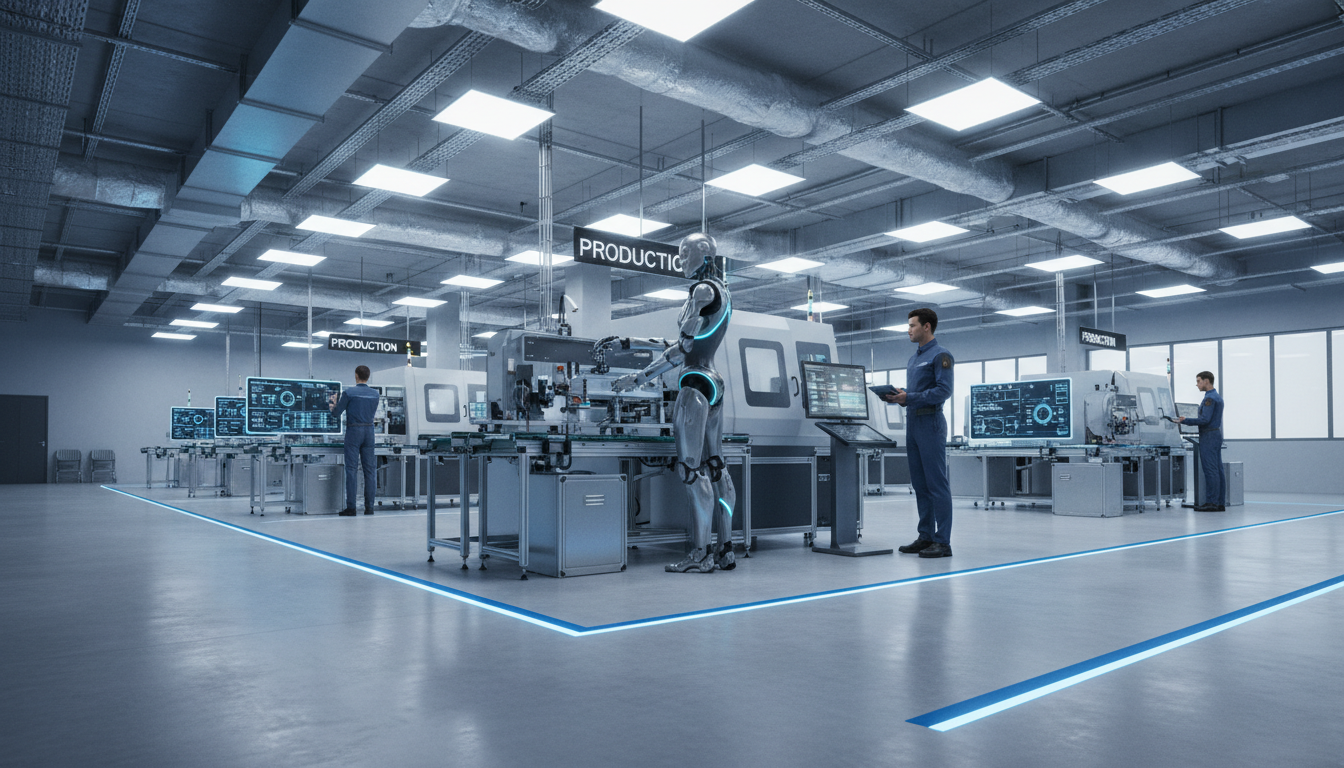
In conclusion, while challenges remain, the opportunities presented by the future of robotics in Southeast Asia are vast. By addressing these challenges head-on, the region can harness the power of robotics to drive progress and prosperity.