
Exploring the Future of Robotics Technology in Southeast Asia


The Rise of Robotics in Southeast Asia
Southeast Asia is rapidly emerging as a hub for robotics technology. With countries such as Singapore, Malaysia, and Thailand leading the charge, the region is witnessing a transformative shift in how industries operate. Robotics is not only enhancing productivity but also paving the way for innovative solutions in various sectors.
Fuelled by robust economic growth and technological advancements, Southeast Asia is poised to become a key player in the global robotics arena. Governments and private sectors are heavily investing in research and development, creating a fertile ground for robotics innovation.

Key Drivers of Robotics Adoption
Several factors are driving the adoption of robotics technology in Southeast Asia. One of the primary reasons is the need to improve efficiency and reduce labor costs. As industries strive to remain competitive, automation through robotics offers a viable solution.
Additionally, the increasing demand for high-quality products and services is pushing companies to integrate advanced technologies. Robotics provides the precision and consistency required to meet these demands, further accelerating its adoption.
Applications Across Industries
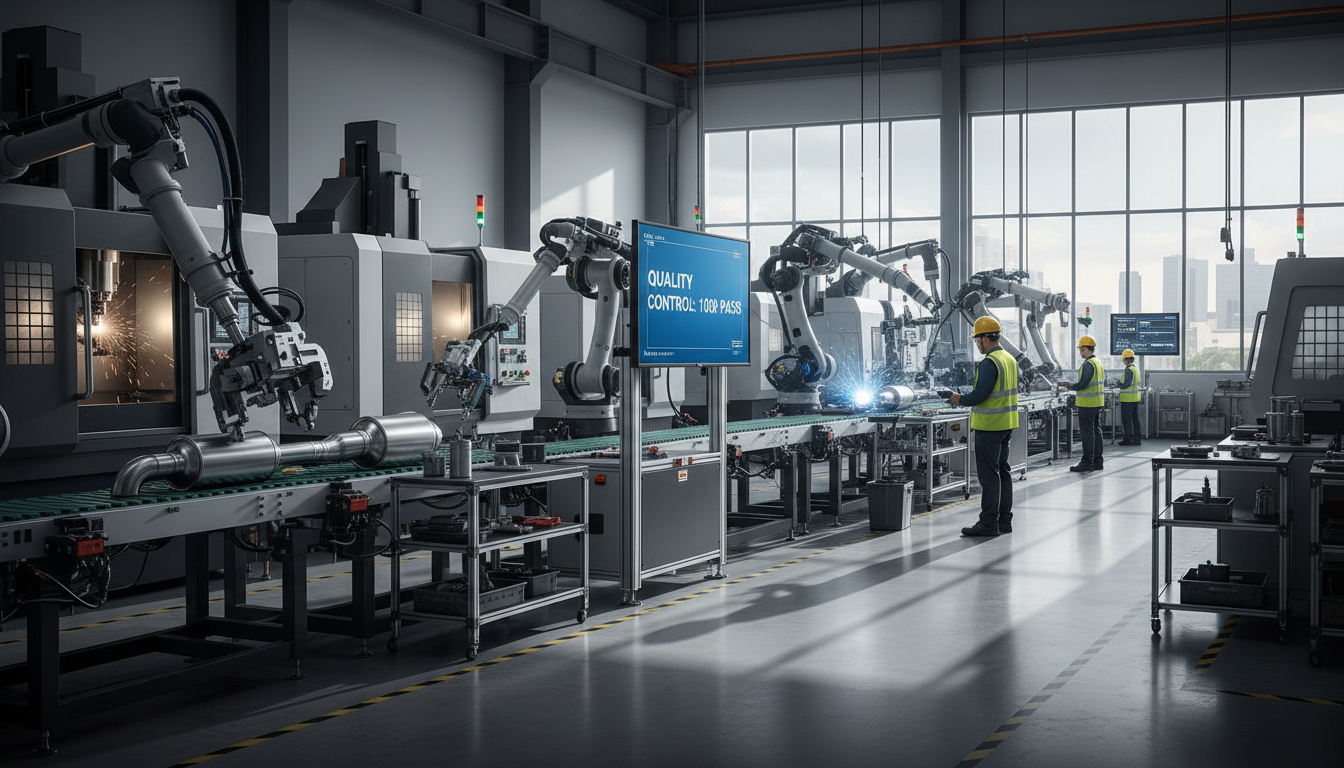
The versatility of robotics technology is evident in its wide range of applications across different industries. In manufacturing, robots are utilized for assembly, packaging, and quality control, significantly boosting productivity. The healthcare sector is also benefiting from robotics, particularly in surgeries and patient care.
Agriculture, a significant industry in Southeast Asia, is experiencing a transformation with the introduction of robotic solutions for planting, harvesting, and monitoring crops. This technological enhancement is crucial for addressing food security challenges in the region.

Challenges and Opportunities
Despite the promising future, the adoption of robotics in Southeast Asia faces several challenges. One major hurdle is the skill gap in the workforce. There is a pressing need for training and education to equip workers with the necessary skills to work alongside advanced technologies.
However, these challenges also present opportunities. Educational institutions and companies can collaborate to develop programs that focus on robotics and automation. This will not only address the skill gap but also foster innovation and growth in the sector.
The Role of Government and Policy
Government support plays a crucial role in the growth of robotics technology. Policies that encourage innovation, provide funding, and facilitate partnerships between public and private sectors are essential. Several Southeast Asian countries are already implementing initiatives to support the growth of this industry.
For instance, Singapore's Smart Nation initiative and Malaysia's National Policy on Industry 4.0 (Industry4WRD) are significant steps towards fostering a conducive environment for robotics and automation.

Future Outlook
The future of robotics in Southeast Asia looks promising. With continuous advancements in technology and supportive policies, the region is set to become a leader in robotics innovation. The integration of artificial intelligence and machine learning with robotics will further enhance capabilities and open new possibilities.
As Southeast Asia embraces the robotics revolution, it is crucial for stakeholders to collaborate and create a sustainable ecosystem. This will ensure that the benefits of robotics technology are maximized, leading to economic growth and improved quality of life.