
FAQs About Robotics Integration: What You Need to Know


Understanding Robotics Integration
Robotics integration is becoming increasingly prevalent across various industries, offering numerous benefits such as increased efficiency and productivity. However, it can also bring about a host of questions and concerns. In this post, we'll address some of the most frequently asked questions about integrating robotics into your operations.
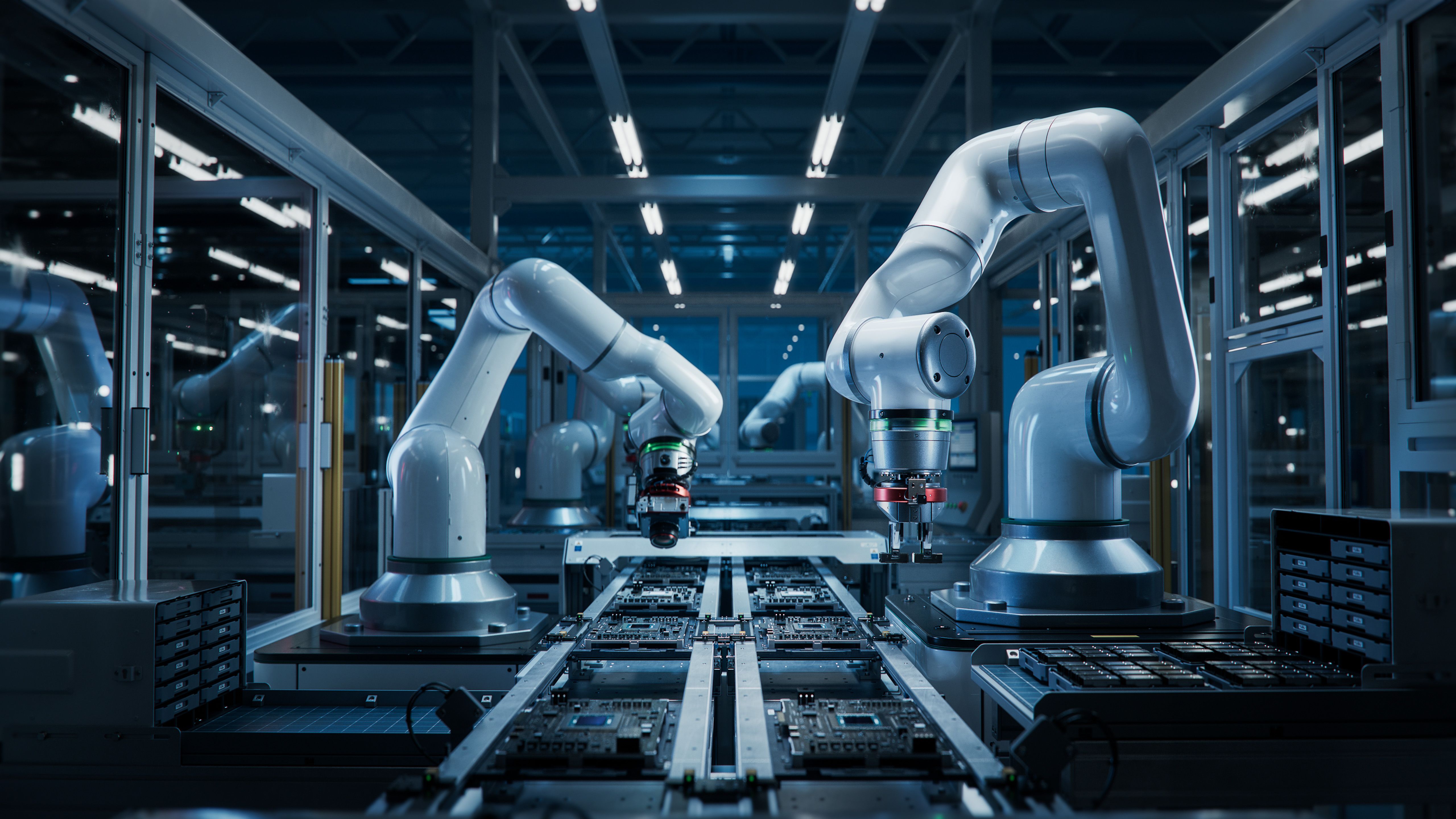
What is Robotics Integration?
Robotics integration involves incorporating robotic systems into existing processes to automate tasks that were traditionally performed by humans. This can range from simple repetitive tasks to complex operations requiring high precision. Integrating robotics can lead to improved quality, reduced waste, and lower labor costs.
Benefits of Robotics Integration
The primary advantage of integrating robotics is the enhancement of operational efficiency. Robots can work 24/7 without fatigue, which significantly boosts productivity. Additionally, they offer high precision and consistency, reducing errors and improving the quality of the final product.

Is Robotics Integration Expensive?
While the initial investment in robotics can be significant, the long-term savings often justify the cost. Companies usually experience a return on investment through increased productivity and reduced operational costs. Moreover, advancements in technology are continually driving down the costs of robotic systems.
Challenges in Robotics Integration
Despite the benefits, integrating robotics can present challenges. These may include the need for substantial upfront investment, potential job displacement, and the requirement for specialized skills to manage and maintain robotic systems. It’s crucial to address these challenges through proper planning and training.

How to Get Started with Robotics Integration
To begin integrating robotics, start with a thorough assessment of your current processes to identify where automation can be most beneficial. Consult with experts to develop a strategy tailored to your specific needs and goals. Training your workforce to work alongside robots is also essential for a smooth transition.
Future of Robotics Integration
The future of robotics integration looks promising as technology continues to evolve. With advancements in artificial intelligence and machine learning, robots are becoming smarter and more adaptable, opening new possibilities for automation across different sectors.
In conclusion, while robotics integration presents both opportunities and challenges, its potential to transform industries is undeniable. By understanding the key aspects and preparing accordingly, businesses can successfully navigate the transition and reap the benefits of automation.