
How Automation Technology is Transforming Industries in Malaysia


Introduction to Automation Technology
Automation technology is revolutionizing industries worldwide, and Malaysia is no exception. From manufacturing to healthcare, businesses are leveraging automation to enhance efficiency, reduce costs, and improve product quality. The integration of robotics, AI, and IoT is paving the way for a more streamlined and competitive industrial landscape in Malaysia.

Impact on Manufacturing
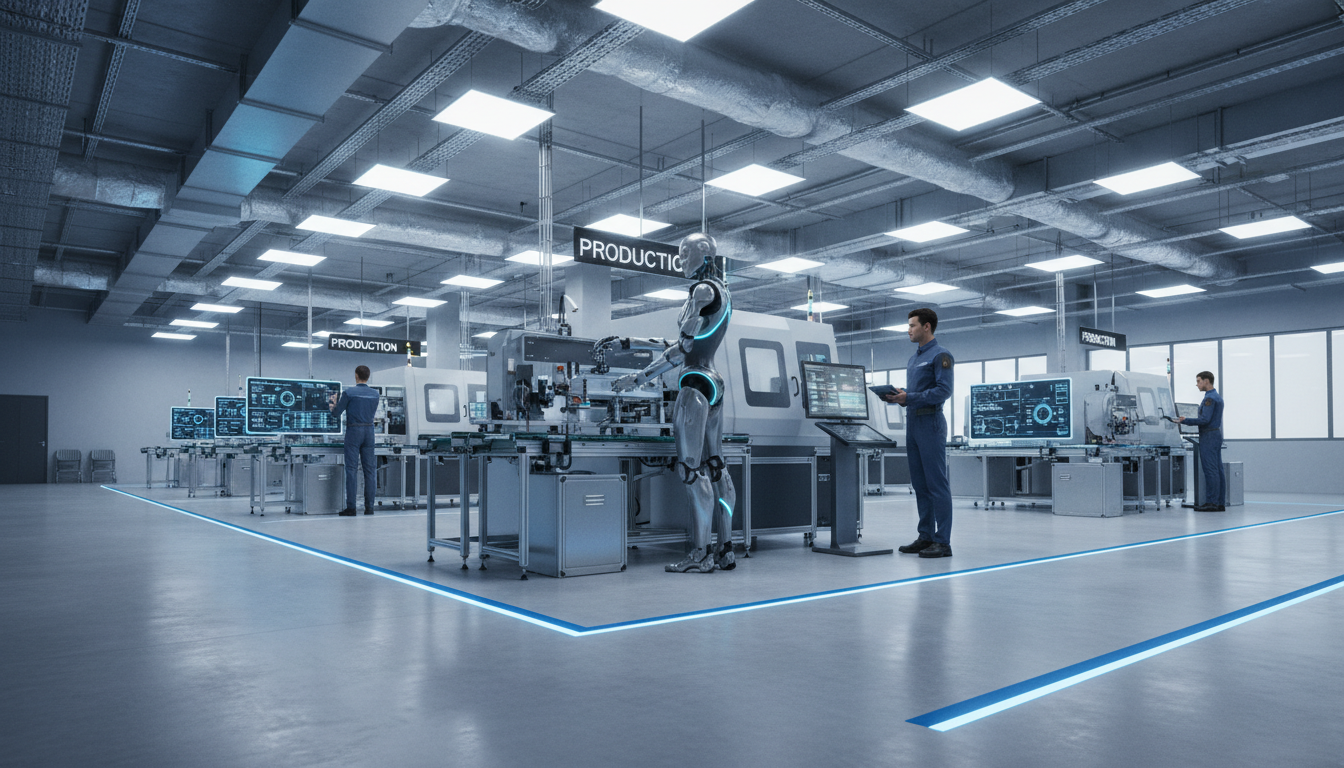
The manufacturing sector in Malaysia is experiencing a significant transformation due to automation. Factories are adopting robotic arms and automated assembly lines to boost production speed and precision. This shift not only reduces human error but also ensures consistent product quality.
Moreover, automation enables manufacturers to perform complex tasks that were previously impossible or too costly. This advancement allows Malaysian companies to compete on a global scale, producing high-quality goods at a competitive price.
Enhancing Efficiency and Productivity
Automation helps in optimizing resource allocation and minimizing downtime. Sensors and IoT devices provide real-time data that assists in predictive maintenance, ensuring machines are operational with minimal interruptions. This level of efficiency is crucial for Malaysia's ambition to become a global manufacturing hub.
Transforming the Healthcare Sector
In healthcare, automation technology is making significant strides in improving patient care and operational efficiency. Automated systems are being used for patient data management, allowing for quicker diagnosis and treatment planning. This technology ensures that healthcare providers can offer personalized and timely care to patients.
Robotic surgery and automated diagnostic tools are becoming more prevalent, reducing the risk of human error and improving surgical outcomes. This transformation is not only enhancing patient safety but also making healthcare services more accessible to the Malaysian population.

Revolutionizing the Agricultural Industry
Agriculture in Malaysia is also benefiting from automation. Drones and automated machinery are being used for tasks such as planting, harvesting, and monitoring crop health. These technologies enhance productivity and ensure better resource management.
Farmers can now collect data about soil conditions, weather patterns, and crop health, allowing them to make informed decisions that boost yield and reduce waste. This data-driven approach is vital for sustainable agriculture development in Malaysia.
Challenges and Opportunities
While automation presents numerous opportunities, there are challenges that need to be addressed. The initial investment in technology can be significant, and there is a need for a skilled workforce to manage and maintain these systems. Additionally, there are concerns about job displacement as machines take over tasks traditionally performed by humans.
However, automation also creates new job opportunities in tech development, system management, and data analysis. By investing in education and training, Malaysia can equip its workforce with the necessary skills to thrive in an automated economy.

Conclusion
Automation technology is transforming industries across Malaysia, driving efficiency, productivity, and innovation. As businesses continue to adopt these technologies, the country is poised to enhance its global competitiveness. By addressing challenges and seizing opportunities, Malaysia can fully harness the potential of automation to drive economic growth and improve quality of life for its citizens.