
How Industrial Robots Are Revolutionizing the Manufacturing Sector


The Rise of Industrial Robots
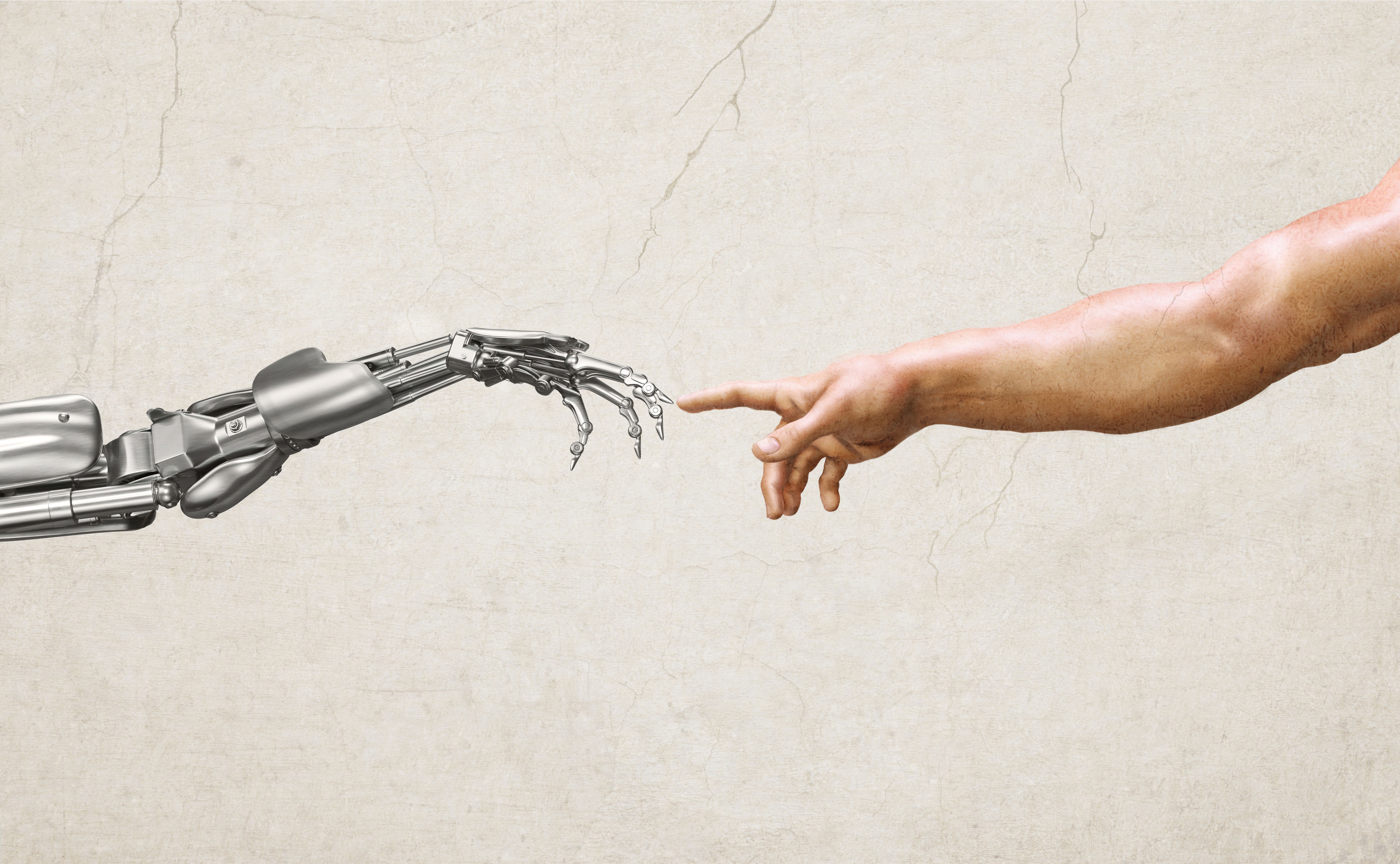
Industrial robots have become a cornerstone of the modern manufacturing sector, driving efficiency and innovation. With the growing demand for precision and speed, these automated machines are transforming how products are made, enabling businesses to achieve unprecedented levels of productivity.
These robots are equipped with advanced sensors and software, allowing them to perform complex tasks with high accuracy. They are reshaping industries by reducing production costs and enhancing product quality, paving the way for a new era of manufacturing.
Enhancing Productivity and Efficiency
One of the most significant impacts of industrial robots is their ability to boost productivity. Unlike human workers, robots can work around the clock without fatigue, leading to increased output and faster turnaround times. They are particularly effective in repetitive and labor-intensive tasks, ensuring consistent performance and minimizing errors.
By automating these tasks, companies can reallocate human resources to more strategic roles, fostering innovation and growth. This shift not only enhances operational efficiency but also contributes to a more dynamic and agile workforce.
Cost Reduction and Quality Improvement
Implementing industrial robots can lead to substantial cost savings. By reducing the need for manual labor, companies can lower their operational expenses and invest in other critical areas. Additionally, robots ensure a high level of precision, resulting in fewer defects and higher quality products. This reliability enhances customer satisfaction and strengthens brand reputation.
Flexibility and Scalability
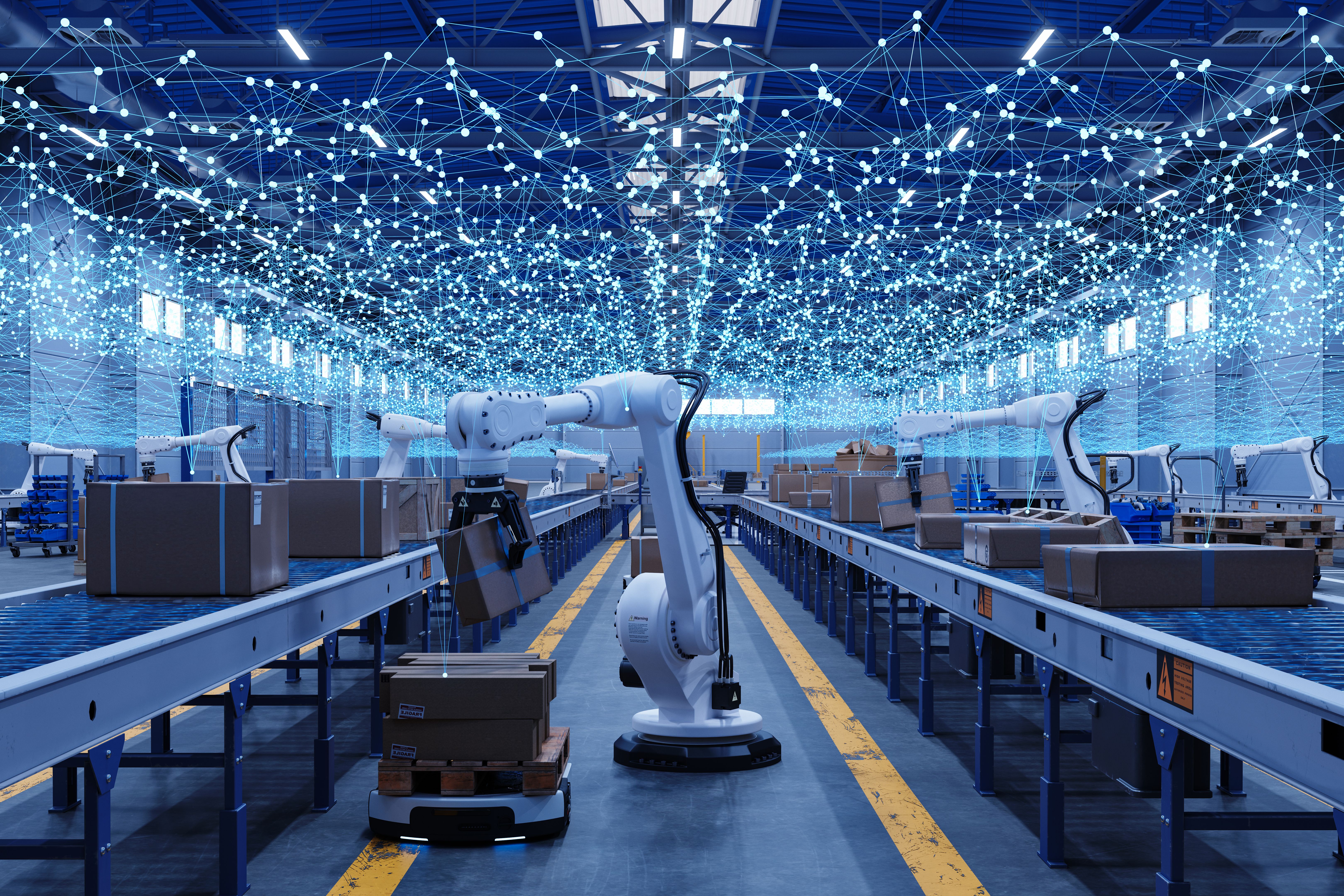
Modern industrial robots are designed to be flexible and adaptable, making them suitable for various manufacturing environments. They can be programmed to handle different tasks and easily reconfigured to accommodate changes in production lines. This flexibility allows manufacturers to scale operations efficiently and respond quickly to market demands.
The ability to adapt to new challenges and opportunities is crucial in today’s fast-paced market, and industrial robots provide the necessary agility to maintain competitive advantage.
Safety and Risk Management
Industrial robots enhance workplace safety by taking over hazardous tasks that pose risks to human workers. By operating in environments that require handling dangerous materials or working in extreme conditions, robots help minimize accidents and occupational hazards.
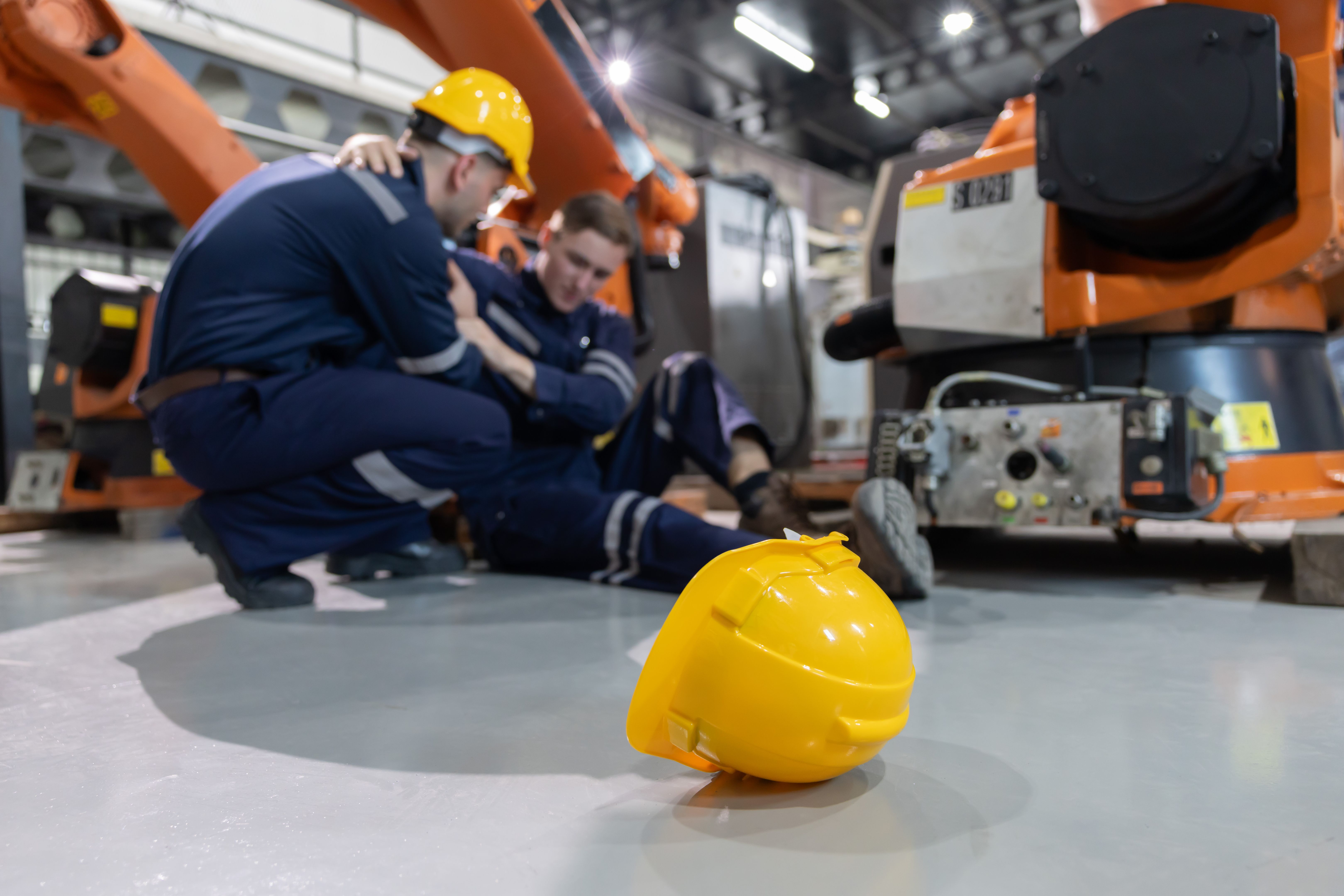
This focus on safety not only protects employees but also reduces liability and insurance costs for businesses, further contributing to overall savings and operational efficiency.
The Future of Manufacturing
As technology continues to advance, the role of industrial robots in manufacturing will only grow. Innovations in artificial intelligence and machine learning are expected to make these machines even more intelligent and capable, unlocking new possibilities for automation.
With the potential to revolutionize production processes and enhance global competitiveness, industrial robots will remain a vital component of the manufacturing landscape, driving progress and shaping the future of the industry.