
How Robotics Automation is Transforming Manufacturing in Malaysia


The Rise of Robotics in Malaysian Manufacturing
In recent years, Malaysia has witnessed a significant transformation in its manufacturing landscape, largely driven by advancements in robotics automation. As the country positions itself as a hub for technological innovation in Southeast Asia, the integration of robotics in manufacturing processes has become a key factor in boosting efficiency and productivity.
Boosting Efficiency and Reducing Costs
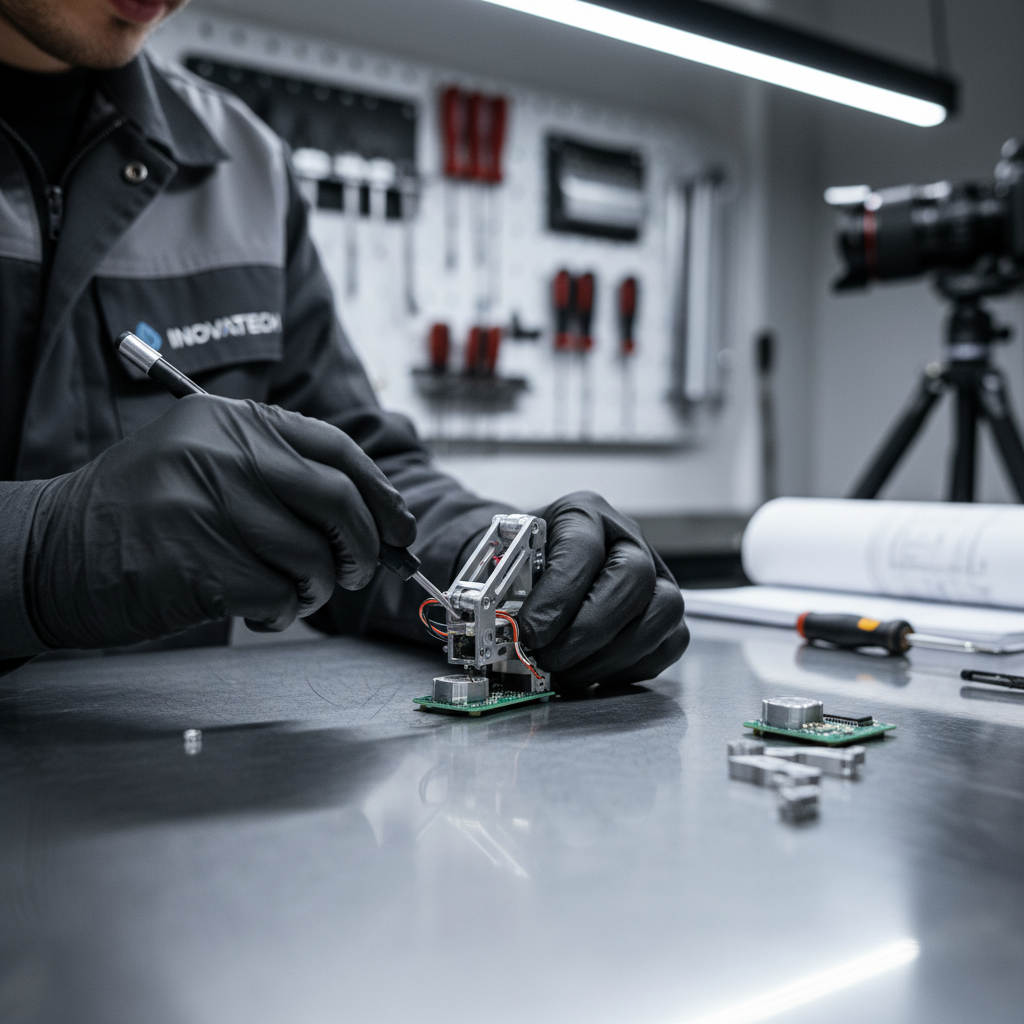
One of the primary advantages of robotics automation is its ability to enhance operational efficiency. By automating repetitive and time-consuming tasks, manufacturers can significantly reduce labor costs and minimize human error. This not only increases the speed of production but also ensures a higher level of precision and quality in the final products.
For instance, assembly lines that incorporate robotic arms can operate around the clock without fatigue, leading to a substantial increase in output. As a result, Malaysian manufacturers are able to meet growing demand and remain competitive in the global market.
Improving Safety and Workplace Conditions
Robotics automation also plays a crucial role in improving workplace safety. By taking over hazardous tasks, robots help reduce the risk of accidents and injuries. This is particularly important in industries dealing with heavy machinery or toxic materials, where human safety is a primary concern.
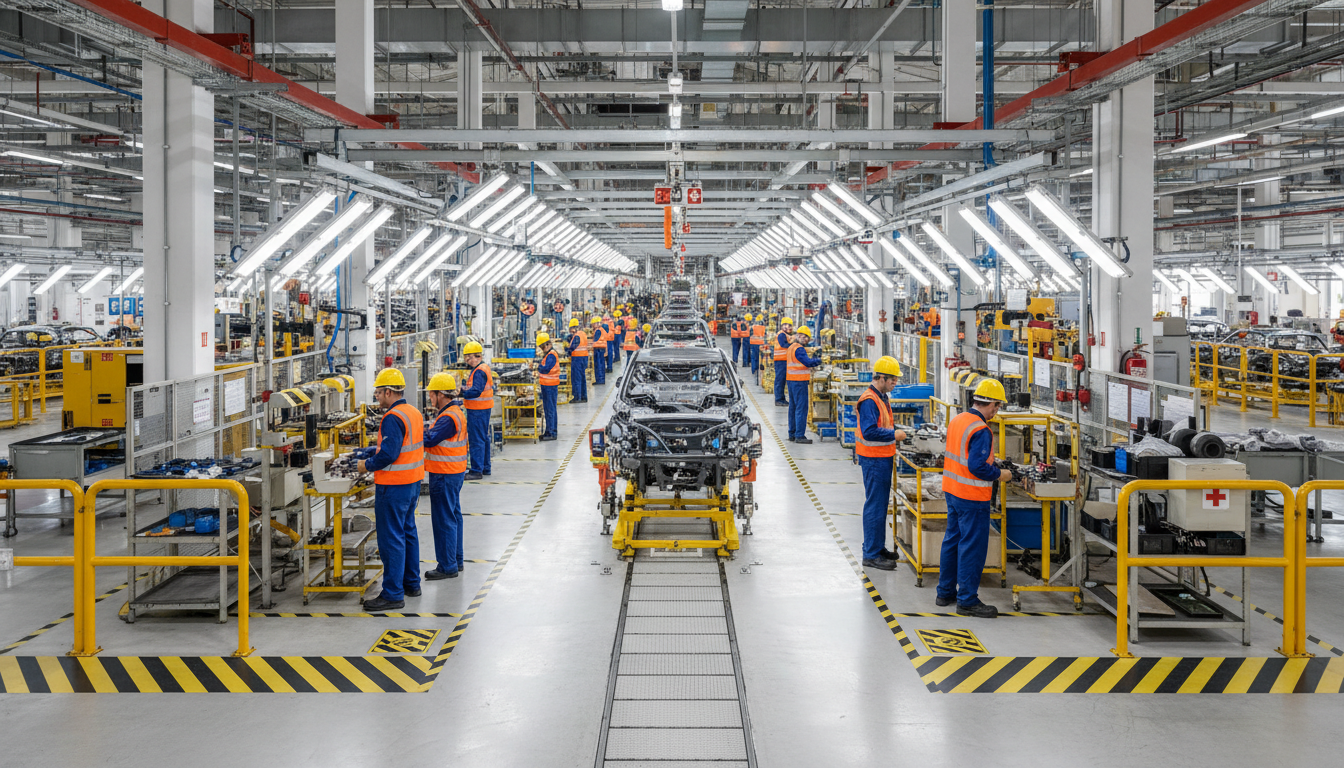
Moreover, the use of robots can lead to better working conditions for employees, as they are often relieved from performing monotonous or physically demanding tasks. This shift allows workers to focus on more strategic roles, contributing to higher job satisfaction and retention rates.
Driving Innovation and Growth
The integration of robotics in manufacturing is also fueling innovation within the industry. Malaysian companies are increasingly investing in research and development to explore new applications for robotics technology. This commitment to innovation not only fosters growth but also attracts foreign investments and partnerships.
Furthermore, the adoption of robotics aligns with Malaysia's vision of becoming a high-tech nation. By embracing Industry 4.0, the country is poised to achieve greater economic growth and establish itself as a leader in the region.

Challenges and Future Prospects
Despite the numerous benefits, the transition to robotics automation is not without challenges. The initial investment costs can be high, and there is often a need for skilled personnel to manage and maintain advanced robotic systems. However, as technology continues to evolve, these barriers are gradually diminishing.
Looking ahead, the future of manufacturing in Malaysia appears promising. As more companies adopt robotics, the industry is expected to see continued growth, leading to more job opportunities and economic prosperity. By staying at the forefront of technological advancements, Malaysia is set to redefine its manufacturing sector.