
How to Choose the Right Automation System for Your Business


Understanding Your Business Needs
Choosing the right automation system begins with a comprehensive understanding of your business needs. Evaluate which processes are most time-consuming and prone to errors. This initial assessment helps in identifying areas where automation will have the greatest impact. Consider factors like workflow complexity, team size, and specific industry requirements.

Setting Clear Objectives
Before diving into the selection of an automation system, it's crucial to establish clear objectives. Determine what you hope to achieve with automation—whether it's improving efficiency, reducing costs, or enhancing customer satisfaction. Clear goals will guide you in selecting a solution that aligns with your business strategy.
Measurable Goals
Ensure your objectives are measurable. For instance, aim to reduce processing time by a specific percentage or increase output to a certain level. Measurable goals enable you to assess the effectiveness of the automation system post-implementation.
Exploring Available Options
With objectives in hand, explore the various automation systems available in the market. Options range from simple task automation tools to sophisticated platforms that manage complex processes. Researching these solutions helps you understand their capabilities and limitations.

Scalability and Flexibility
Consider the scalability and flexibility of the system. As your business grows, your automation needs may change. Opt for a system that can adapt to new requirements without significant overhauls or costs.
Evaluating Costs and ROI
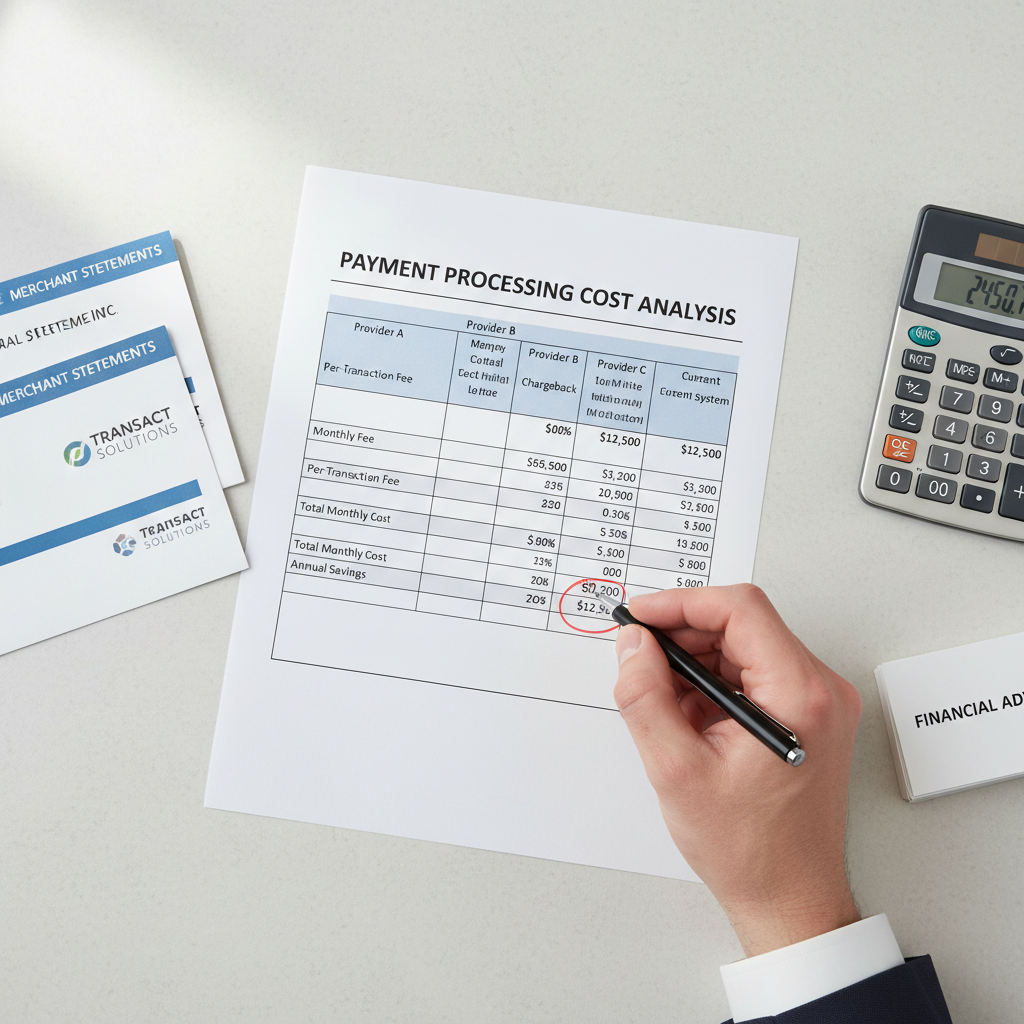
Automation systems are an investment, and it's important to evaluate their cost-effectiveness. Compare the costs of different systems and assess the potential return on investment (ROI). Calculate the long-term savings and productivity gains against the initial expenditure.
Hidden Costs
Be aware of hidden costs such as maintenance fees, upgrades, and training expenses. A comprehensive cost analysis will prevent unforeseen financial burdens in the future.
Ensuring Compatibility
Compatibility with existing systems is a crucial factor in choosing an automation solution. Ensure that the new system integrates seamlessly with your current software and hardware. This compatibility reduces the risk of disruptions during implementation.
Vendor Support
Consider the support provided by the vendor. Reliable customer service and technical support are essential for smooth integration and ongoing operation. Check reviews or testimonials to gauge the vendor's reputation.
Conducting a Trial Run
Before making a final decision, conduct a trial run of the chosen automation system. This hands-on experience allows you to assess its functionality in a real-world setting. Gather feedback from employees who will use the system daily to identify any potential issues.
By following these steps, you can select an automation system that not only meets your current needs but also supports your business's future growth. Remember, the right system will enhance efficiency, reduce costs, and ultimately contribute to your business's success.