How to Implement Robotics in Manufacturing: A Malaysian Perspective


Understanding the Importance of Robotics in Manufacturing
In recent years, the adoption of robotics in manufacturing has gained substantial momentum worldwide, including in Malaysia. As industries strive for greater efficiency, precision, and productivity, robotics offers a promising solution. The integration of robotics can significantly enhance operational capabilities, reduce labor costs, and improve product quality.
For Malaysian manufacturers, embracing robotics is not just about keeping up with global trends; it's about staying competitive in a rapidly evolving market. The government has been supportive, providing incentives and developing policies to encourage technological advancement in the manufacturing sector.
Assessing Your Manufacturing Needs
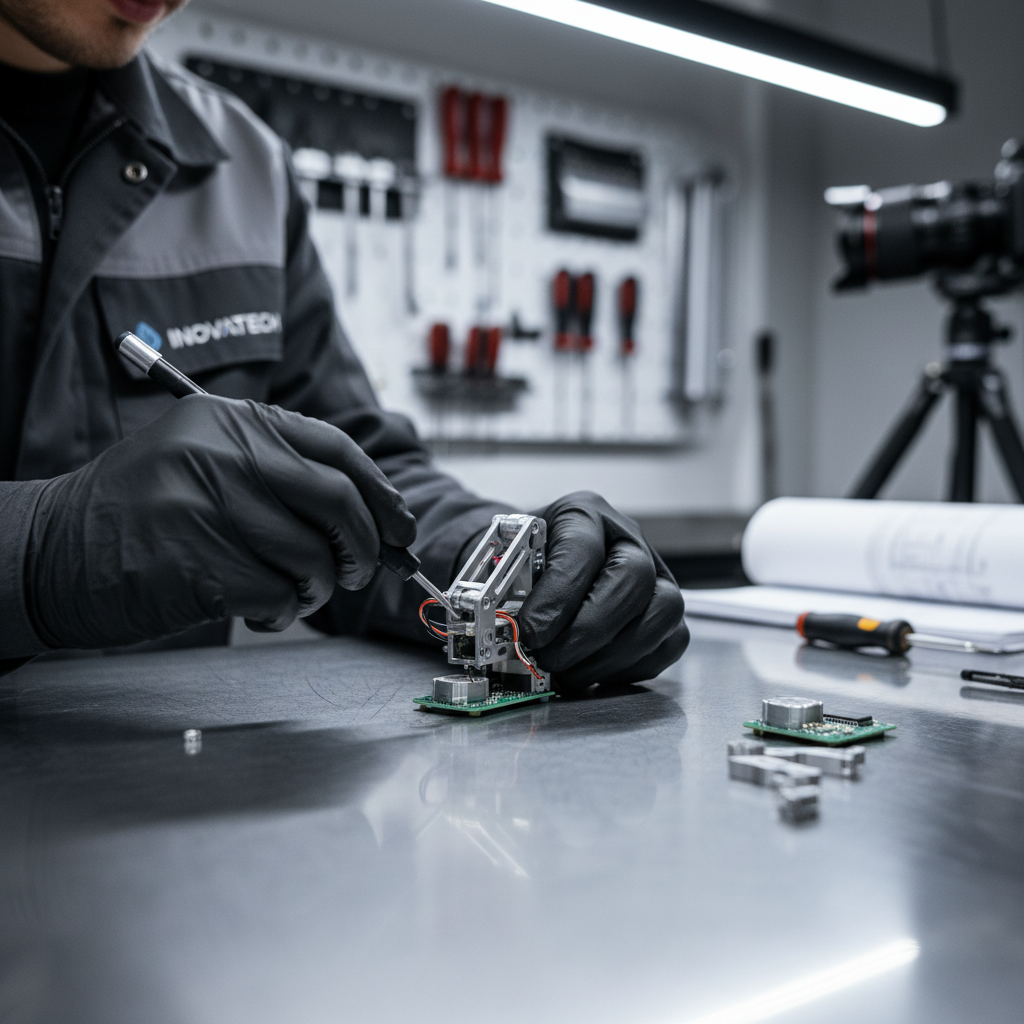
Before implementing robotics, manufacturers should conduct a thorough assessment of their production processes. Understanding where automation can be most beneficial is crucial. This involves identifying repetitive tasks, areas prone to human error, and processes that require high precision.
Engaging with robotics experts or consultants can provide valuable insights. These professionals can help determine the right type of robots needed, whether industrial arms, collaborative robots, or automated guided vehicles, based on specific manufacturing requirements.
Cost-Benefit Analysis
Investing in robotics requires substantial capital. Therefore, conducting a detailed cost-benefit analysis is essential. Manufacturers should consider both the initial investment and the long-term savings from reduced labor costs and increased efficiency. Additionally, potential improvements in quality and reductions in waste can lead to significant financial benefits over time.

Training and Workforce Development
Implementing robotics doesn't mean replacing the human workforce; rather, it transforms the roles within it. Training programs are crucial to equip employees with the skills needed to operate and maintain robotic systems. Upskilling workers ensures a smooth transition and maximizes the benefits of automation.
Collaborations with educational institutions and training centers can facilitate this process, providing specialized courses and certifications in robotics and automation technologies.
Integration with Existing Systems
For successful implementation, robotics must be seamlessly integrated with existing manufacturing systems. This may involve upgrading software, ensuring compatibility with current machinery, and possibly redesigning certain workflows. Manufacturers should work closely with technology providers to ensure a smooth integration process.

Monitoring and Continuous Improvement
Once robots are integrated into the manufacturing process, continuous monitoring is essential. Regular evaluations can help identify areas for improvement and ensure that the robotics systems are delivering the expected benefits.
Feedback loops and data analytics can provide insights into system performance, helping manufacturers make informed decisions about future upgrades or adjustments.
The Road Ahead for Malaysian Manufacturers
As Malaysia continues to develop its manufacturing capabilities, the role of robotics will undoubtedly expand. Embracing these technologies can lead to more resilient and competitive industries. By following a strategic approach to implementation, Malaysian manufacturers can harness the full potential of robotics, positioning themselves as leaders in the global market.