
How to Optimize Your Automation Systems for Maximum Efficiency


Understanding Automation Systems
Automation systems are integral to modern businesses, streamlining processes and enhancing productivity. However, to reap the maximum benefits, these systems need to be optimized. Optimization involves fine-tuning your existing setup to ensure everything runs smoothly and efficiently.
Assessing Current Systems
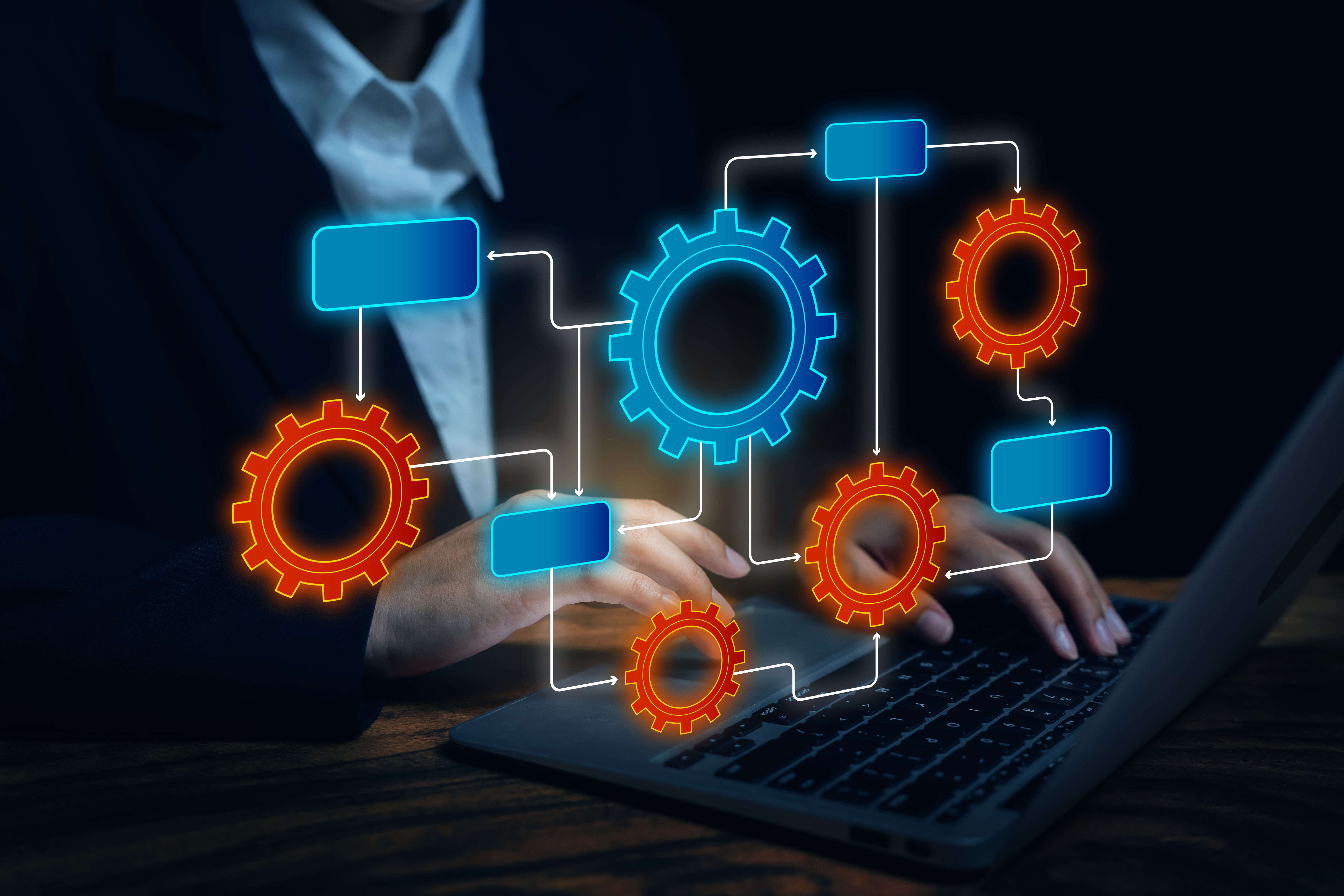
Before diving into optimization, it's crucial to assess your current systems. Identify any bottlenecks or areas where performance lags. This initial analysis will provide a clear picture of where improvements are needed. Regular audits can significantly aid in understanding the system's strengths and weaknesses.
Streamlining Processes
One of the key steps in optimization is streamlining processes. Eliminate redundant steps and focus on enhancing the core functionalities. Use tools and software that integrate seamlessly with your existing systems to avoid compatibility issues. This approach not only boosts efficiency but also reduces the likelihood of errors.

Leveraging Advanced Technologies
Integrating advanced technologies such as artificial intelligence and machine learning can further enhance your automation systems. These technologies can predict patterns and provide insights that help in making informed decisions. By leveraging these tools, businesses can stay ahead of the curve.
Regular Maintenance and Updates
Maintenance is a critical aspect of optimizing automation systems. Regularly update your software to incorporate the latest features and security patches. This practice ensures that the system is running at its optimal capacity and helps prevent potential issues.

Training and Support
Even the most advanced systems require skilled personnel to manage them. Investing in training for your team ensures they are well-equipped to handle the systems efficiently. Providing continuous support and resources will empower your team to make the most out of the automation systems.
Monitoring and Feedback
Once the systems are optimized, ongoing monitoring is essential. Implement feedback mechanisms to gather insights from users. This feedback can reveal areas for further improvement and help maintain peak efficiency. Utilizing analytics tools can provide valuable data on system performance.
Setting Goals and KPIs
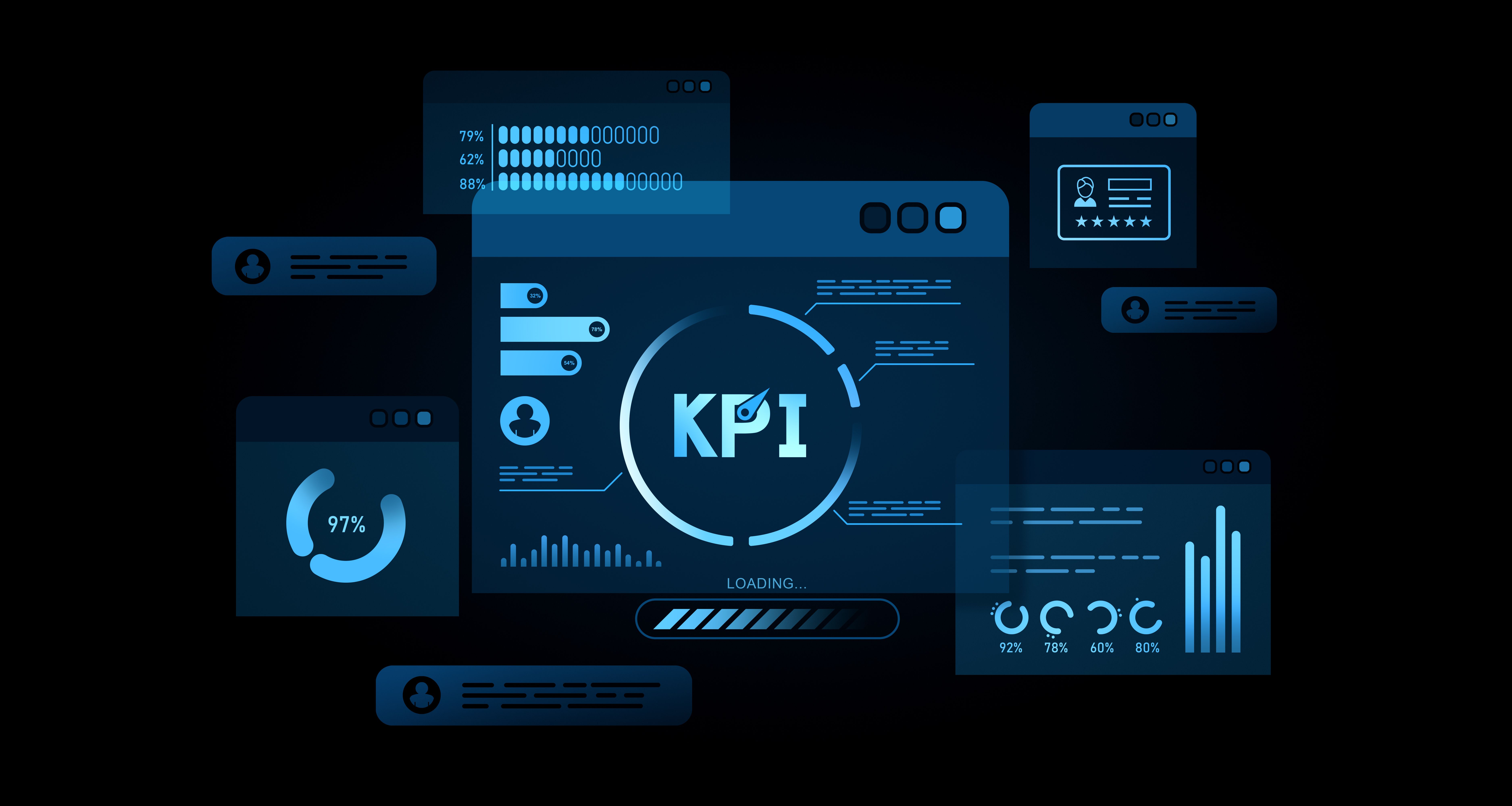
To measure the success of your optimization efforts, establish clear goals and key performance indicators (KPIs). These metrics will guide your strategy and offer a benchmark to evaluate progress. Regular reviews of these KPIs help keep the optimization process aligned with business objectives.
By following these steps, businesses can significantly enhance the efficiency of their automation systems, leading to improved productivity and reduced costs. Optimization is an ongoing process, requiring dedication and strategic planning to achieve the best results.