
Integrating Machine Learning and Robotics: Enhancing Automation in Malaysia


In recent years, the integration of machine learning and robotics has become a transformative force in the field of automation, particularly in Malaysia. As industries strive for greater efficiency and innovation, the fusion of these technologies is paving the way for unprecedented advancements.
Machine learning—a subset of artificial intelligence—enables systems to learn from data and improve over time without explicit programming. When combined with robotics, which involves the design, construction, and operation of robots, the potential for enhancing automation is immense.

Enhancing Manufacturing Efficiency
One of the most significant impacts of integrating machine learning with robotics is seen in the manufacturing sector. In Malaysia, factories are increasingly adopting these technologies to streamline production processes, reduce errors, and increase output. Robots equipped with machine learning capabilities can adapt to new tasks and identify defects in products more efficiently than traditional methods.
By leveraging real-time data, these smart robots can optimize workflows and predict potential bottlenecks. This adaptability not only boosts productivity but also reduces operational costs, providing a competitive edge to Malaysian manufacturers.
Transforming the Agriculture Sector
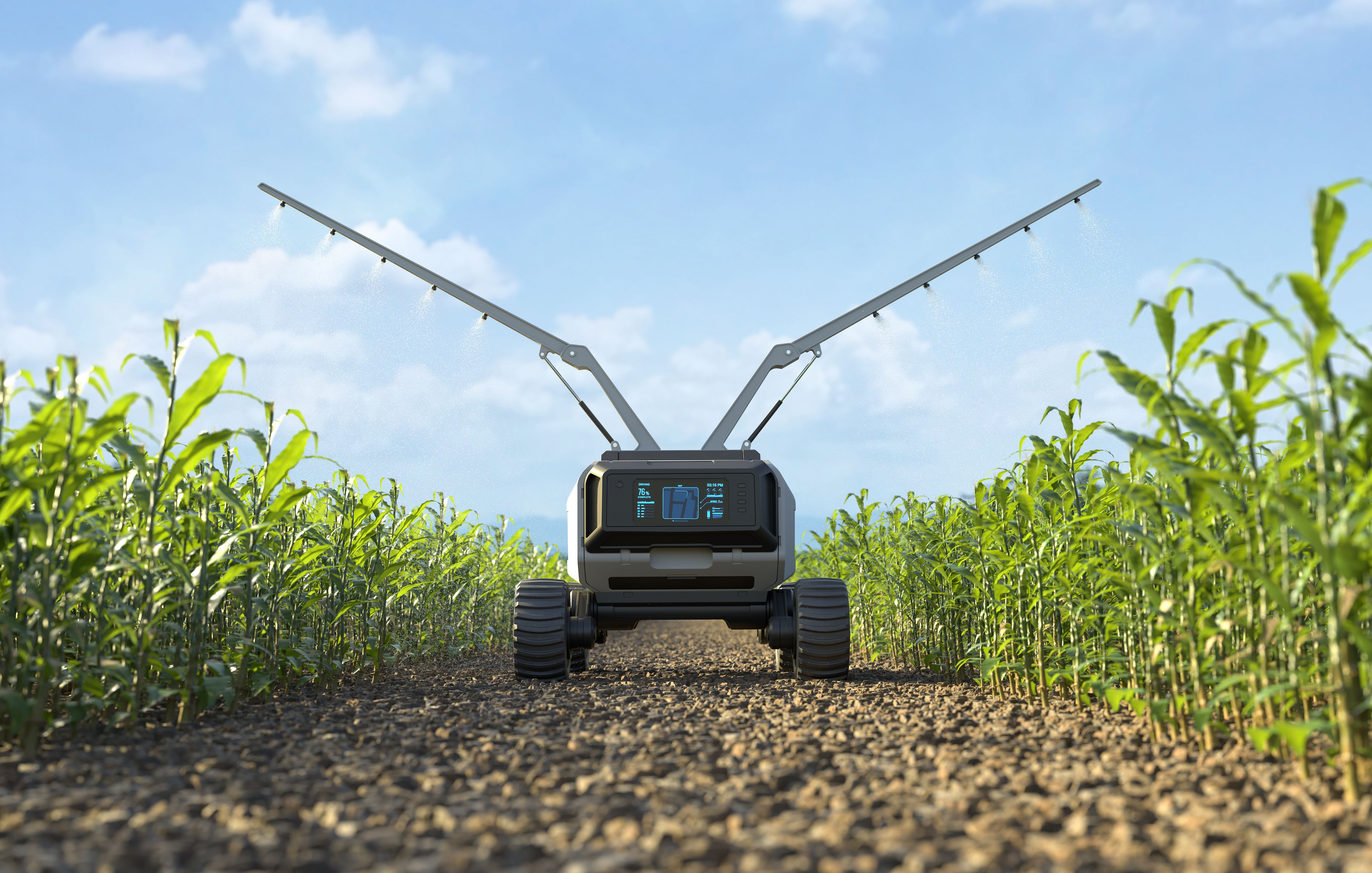
Agriculture is another sector benefiting from this technological synergy. In Malaysia, where agriculture is a vital part of the economy, implementing machine learning and robotics is transforming traditional farming practices. Automated machinery with AI capabilities can perform tasks such as planting, watering, and harvesting with precision and minimal human intervention.
These advancements lead to increased crop yields and better resource management, ensuring sustainable agricultural practices. Additionally, farmers can use data analytics to make informed decisions about crop management and pest control.
Revolutionizing Healthcare Services
In the healthcare industry, the integration of machine learning and robotics is revolutionizing patient care and medical procedures. In Malaysia, hospitals and clinics are beginning to utilize robotic systems for surgeries, diagnostics, and rehabilitation. These robots, powered by AI, offer higher precision and can work tirelessly, reducing the risk of human error.
Moreover, machine learning algorithms can analyze vast amounts of medical data to predict disease outbreaks and personalize treatment plans, enhancing the overall efficiency of healthcare services.
Challenges and Opportunities
While the benefits are clear, integrating machine learning and robotics in Malaysia also presents challenges. The initial cost of implementing these technologies can be high, and there is a need for skilled professionals to manage and maintain these systems. However, the long-term benefits, such as increased productivity and innovation, outweigh these initial hurdles.

Opportunities abound for businesses willing to invest in these technologies. By collaborating with local universities and tech startups, companies can drive research and development, fostering a culture of innovation in Malaysia's automation landscape.
The Future of Automation in Malaysia
As Malaysia continues to embrace the integration of machine learning and robotics, the future of automation looks promising. With government support and investment in technology infrastructure, the country is well-positioned to become a leader in automated solutions in Southeast Asia.
Ultimately, the successful integration of these technologies will not only enhance productivity and efficiency but also contribute to Malaysia's economic growth, transforming it into a smart nation ready to tackle future challenges.