
Integrating Machine Learning with Robotics: Transformations in Malaysian Industries


Understanding the Synergy of Machine Learning and Robotics
The integration of machine learning with robotics is revolutionizing industries around the world, and Malaysia is no exception. By combining these cutting-edge technologies, businesses are experiencing increased efficiency, productivity, and innovation. This synergy is particularly transformative in sectors such as manufacturing, logistics, and agriculture.
Machine learning enables robots to learn from data, improving their performance over time without explicit programming. This adaptability is crucial for industries facing rapidly changing environments and demands. In Malaysia, this has led to a significant shift in how companies approach automation.
Impact on the Manufacturing Sector
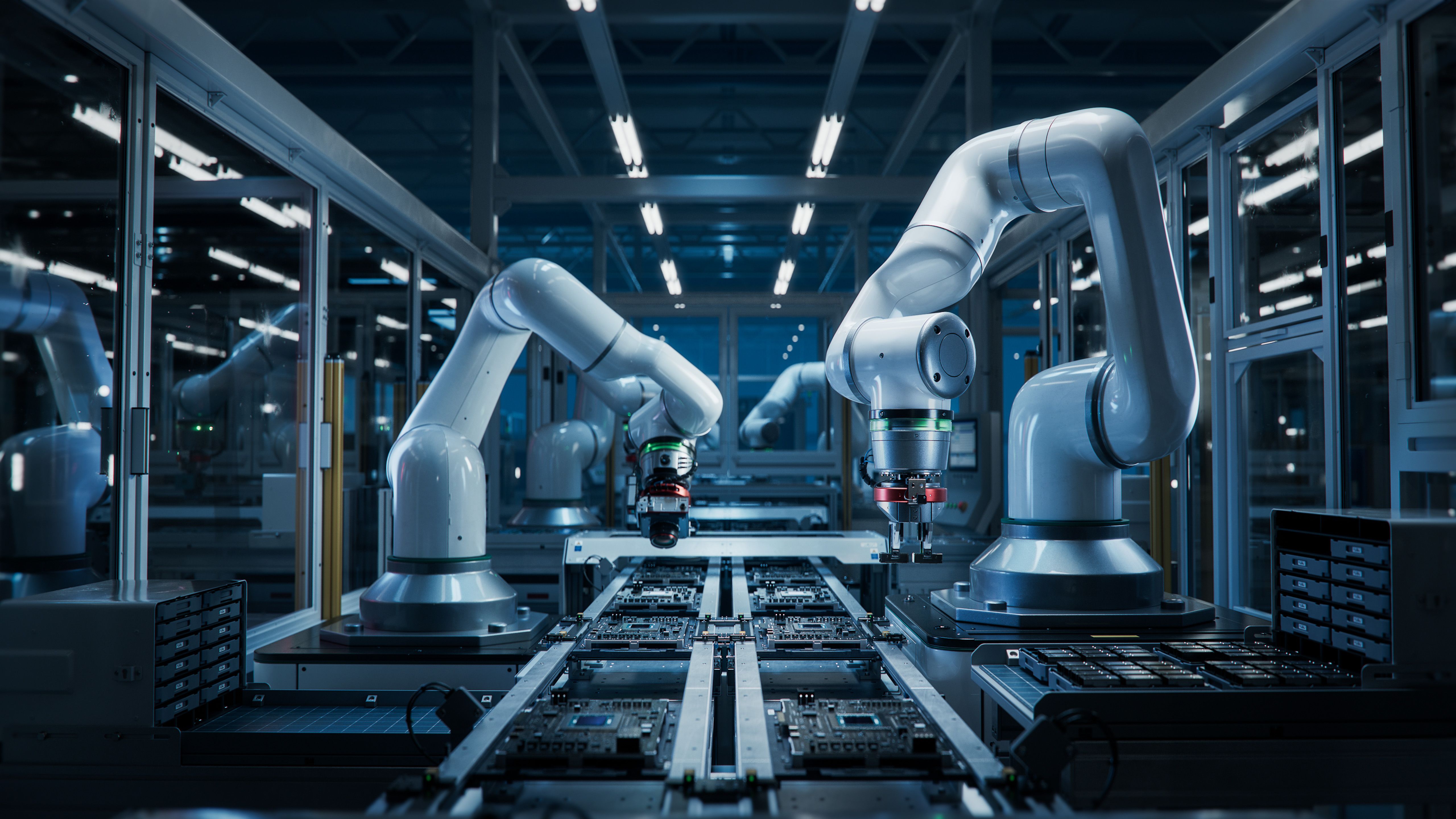
Malaysia's manufacturing sector, a cornerstone of the national economy, is experiencing substantial benefits from this technological integration. Machine learning-powered robots are enhancing production lines by optimizing processes, reducing waste, and ensuring consistent quality.
For example, predictive maintenance powered by machine learning algorithms helps in anticipating equipment failures before they occur, minimizing downtime and repair costs. This proactive approach ensures that manufacturing operations remain smooth and uninterrupted.
Transforming Logistics and Supply Chain Management
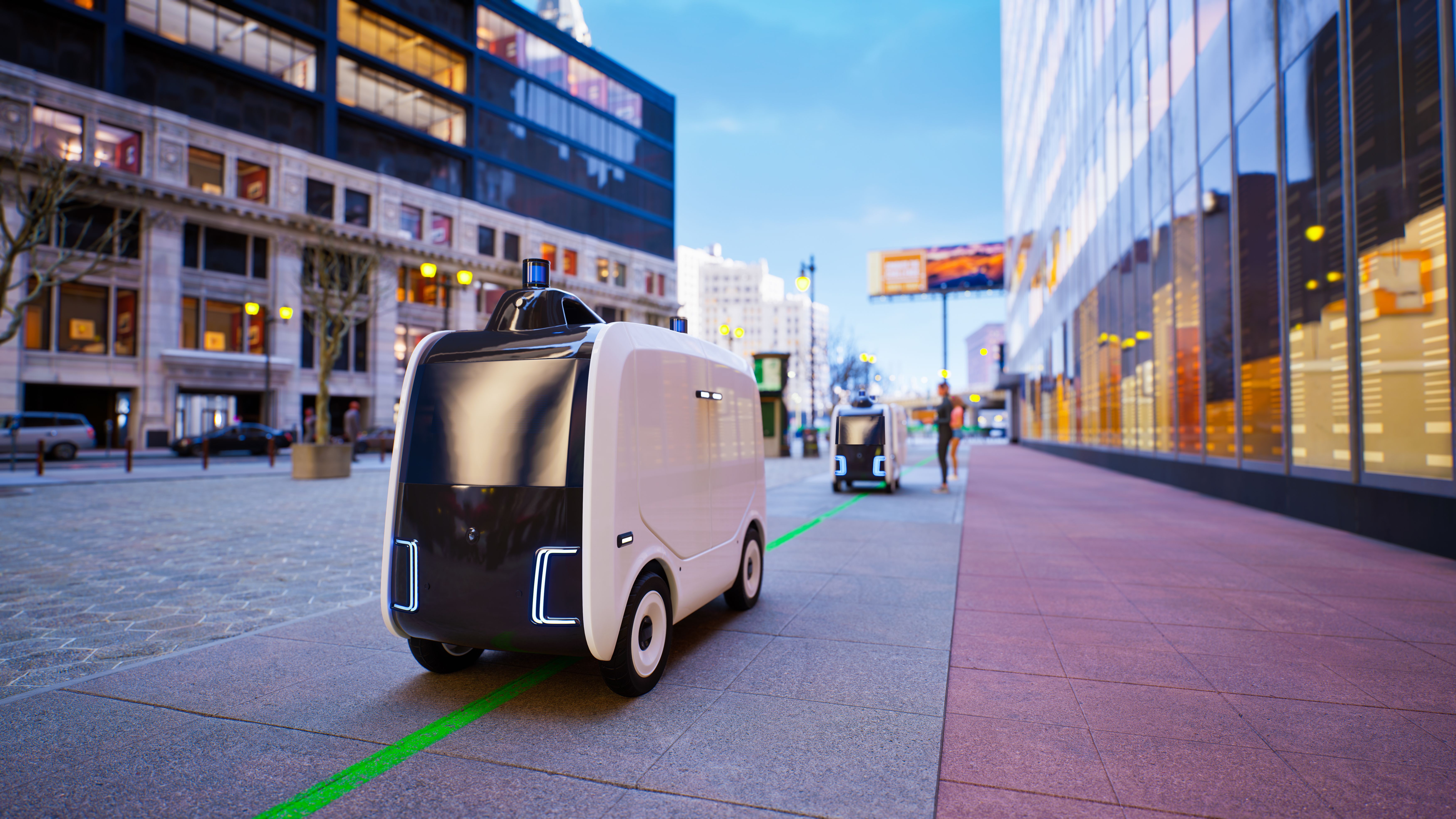
The logistics industry in Malaysia is also undergoing a transformation. Robots equipped with machine learning capabilities are streamlining supply chain operations, from inventory management to delivery logistics. These advancements lead to faster and more reliable services.
Automated guided vehicles (AGVs), for instance, use machine learning to navigate complex warehouse environments, optimizing routes and improving efficiency. This results in reduced human error and increased accuracy in order fulfillment.
Revolutionizing Agriculture Practices
In the agricultural sector, machine learning and robotics are paving the way for smart farming practices. Malaysian farmers are adopting these technologies to improve crop yield and manage resources more effectively. Drones and robotic systems equipped with sensors collect data on soil health, crop conditions, and weather patterns.
This data-driven approach allows for precision agriculture, where farmers can make informed decisions about irrigation, fertilization, and pest control. The outcome is a sustainable farming practice that conserves resources and maximizes productivity.
Challenges and Opportunities
While the integration of machine learning and robotics presents numerous opportunities, it also poses challenges. One of the primary concerns is the need for a skilled workforce capable of managing and maintaining these advanced systems. As a result, there is a growing demand for education and training programs focused on these technologies.
Moreover, businesses must consider the initial investment cost and the potential for job displacement. However, with strategic planning and government support, these challenges can be addressed, ensuring a smooth transition into this new era of industrial innovation.

The Future of Malaysian Industries
The future of Malaysian industries looks promising with the continued integration of machine learning and robotics. As these technologies evolve, they will unlock even more possibilities, enabling businesses to remain competitive on a global scale.
By embracing these advancements, Malaysia can position itself as a leader in technological innovation, driving economic growth and improving the quality of life for its citizens. The key lies in fostering a collaborative environment where technology, industry, and education work hand in hand.