
Latest Trends in Robotics Automation in Malaysia


Introduction to Robotics Automation in Malaysia
As Malaysia continues to embrace technological advancements, robotics automation is becoming a pivotal part of various industries. From manufacturing to healthcare, the integration of robots is enhancing efficiency and productivity. This trend is not only reshaping the industrial landscape but also creating new opportunities and challenges.
Manufacturing Revolution
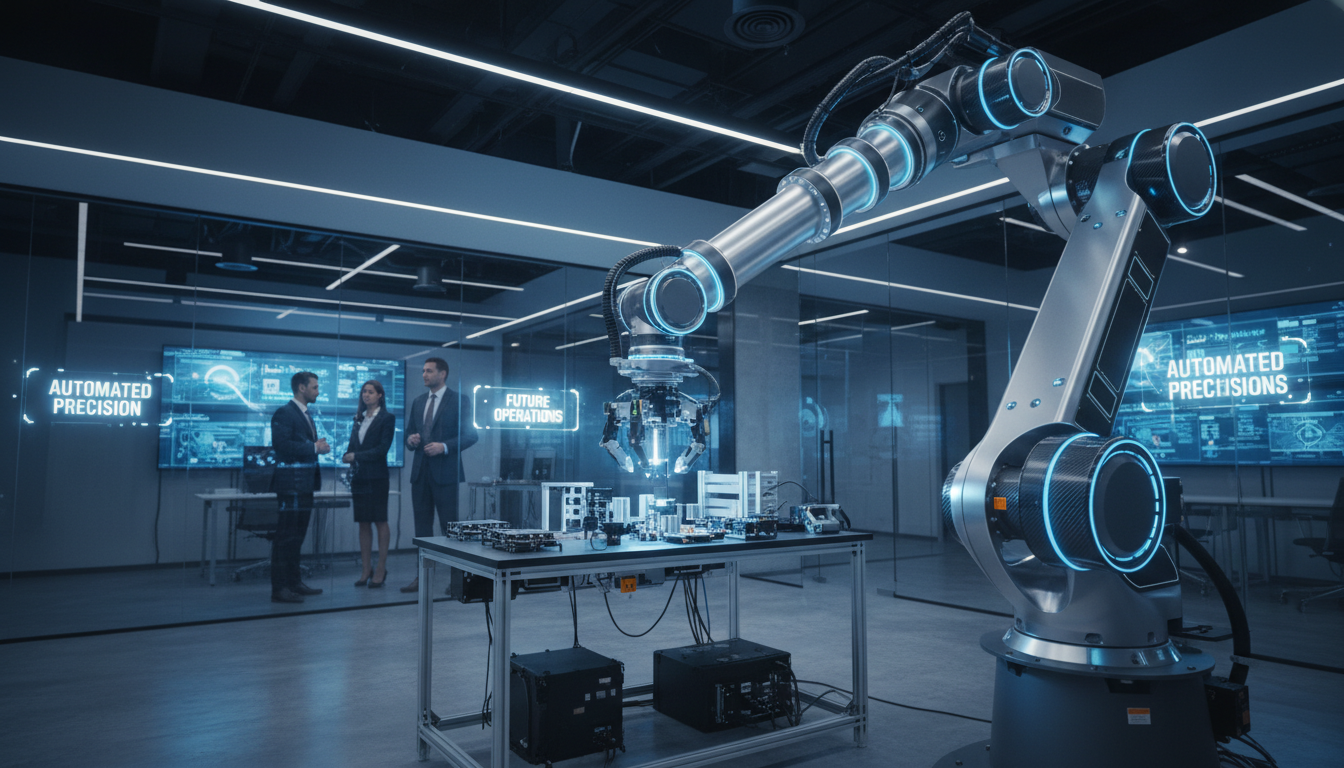
In the manufacturing sector, robotics automation is revolutionizing processes. Traditional assembly lines are being replaced with automated systems that can operate 24/7. This shift is reducing labor costs and increasing production output, allowing Malaysian companies to compete on a global scale.
One of the key trends is the adoption of collaborative robots, or "cobots." These robots work alongside human workers, handling repetitive tasks while humans focus on more complex processes. This collaboration is fostering a more efficient and safer working environment.
Smart Factories
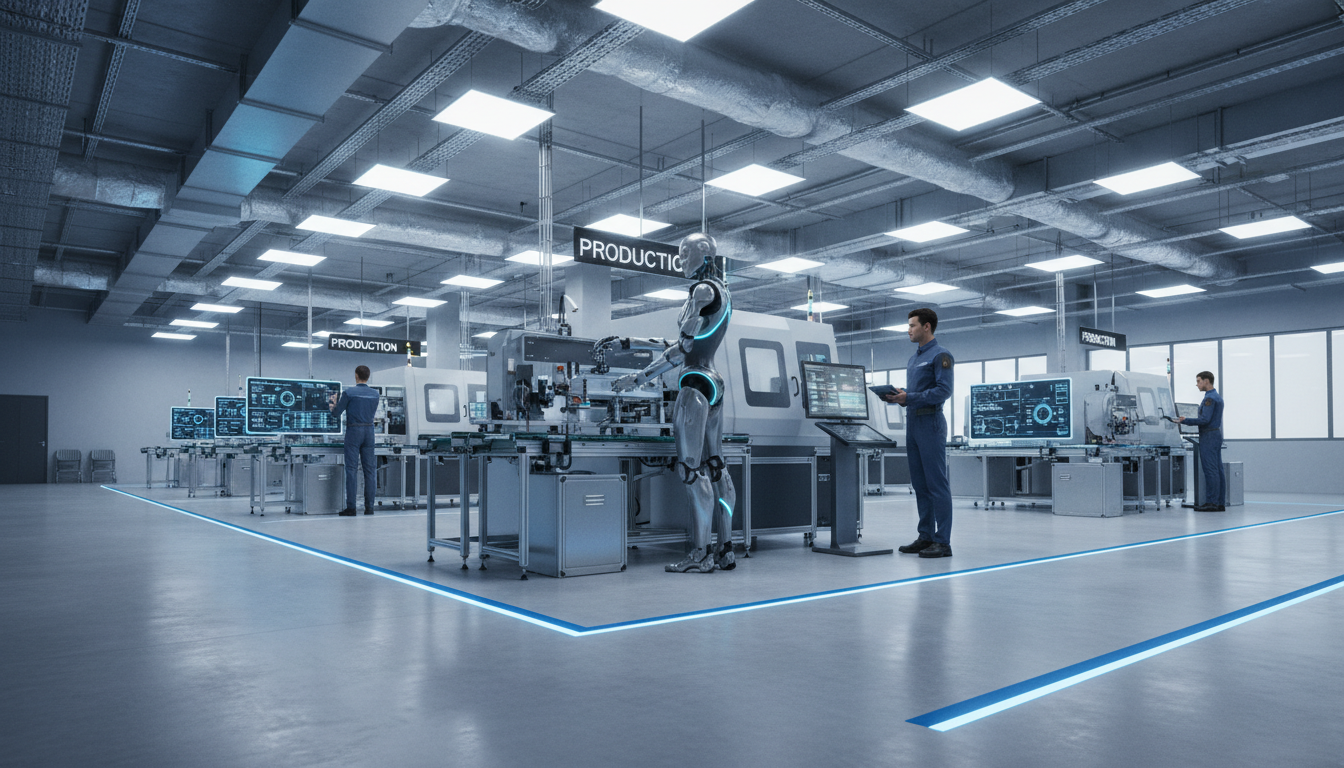
Smart factories are another emerging trend in Malaysia's manufacturing sector. By leveraging the Internet of Things (IoT), these factories connect machines, systems, and humans to optimize operations. Real-time data analytics helps in predictive maintenance and reduces downtime, further enhancing productivity.
Robotics in Healthcare
The healthcare industry in Malaysia is also witnessing a surge in robotics automation. Robots are being used for surgeries, rehabilitation, and patient care. This technology is improving precision and reducing recovery times for patients, contributing to better healthcare outcomes.
Telepresence Robots
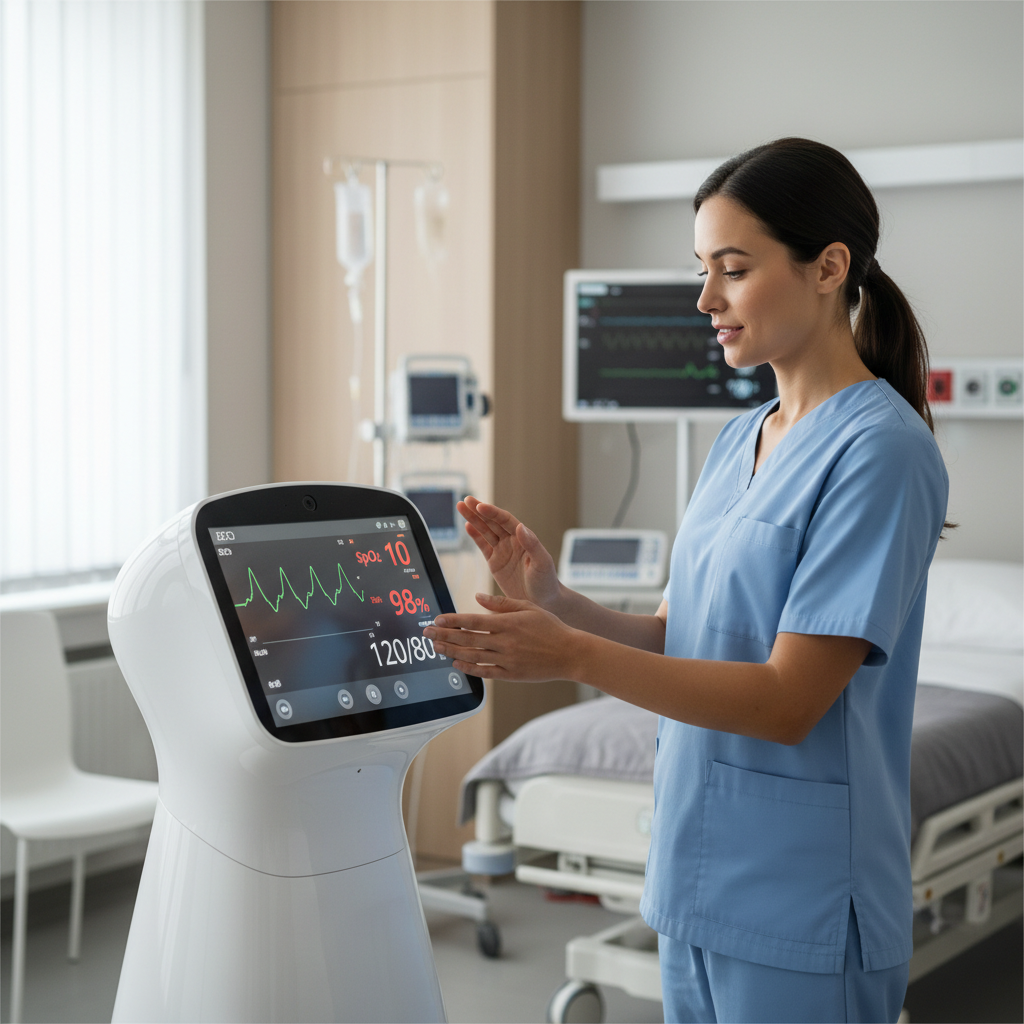
Telepresence robots are becoming increasingly popular in Malaysian hospitals. They enable healthcare professionals to interact with patients remotely, providing consultations and monitoring without physical presence. This has been especially beneficial during the COVID-19 pandemic, ensuring continuity of care while minimizing exposure risks.
Education and Research
Educational institutions in Malaysia are investing in robotics research and development. By incorporating robotics into their curriculum, they are preparing the next generation of engineers and innovators. This focus on education is crucial for sustaining growth in the robotics sector.
Industry Collaboration
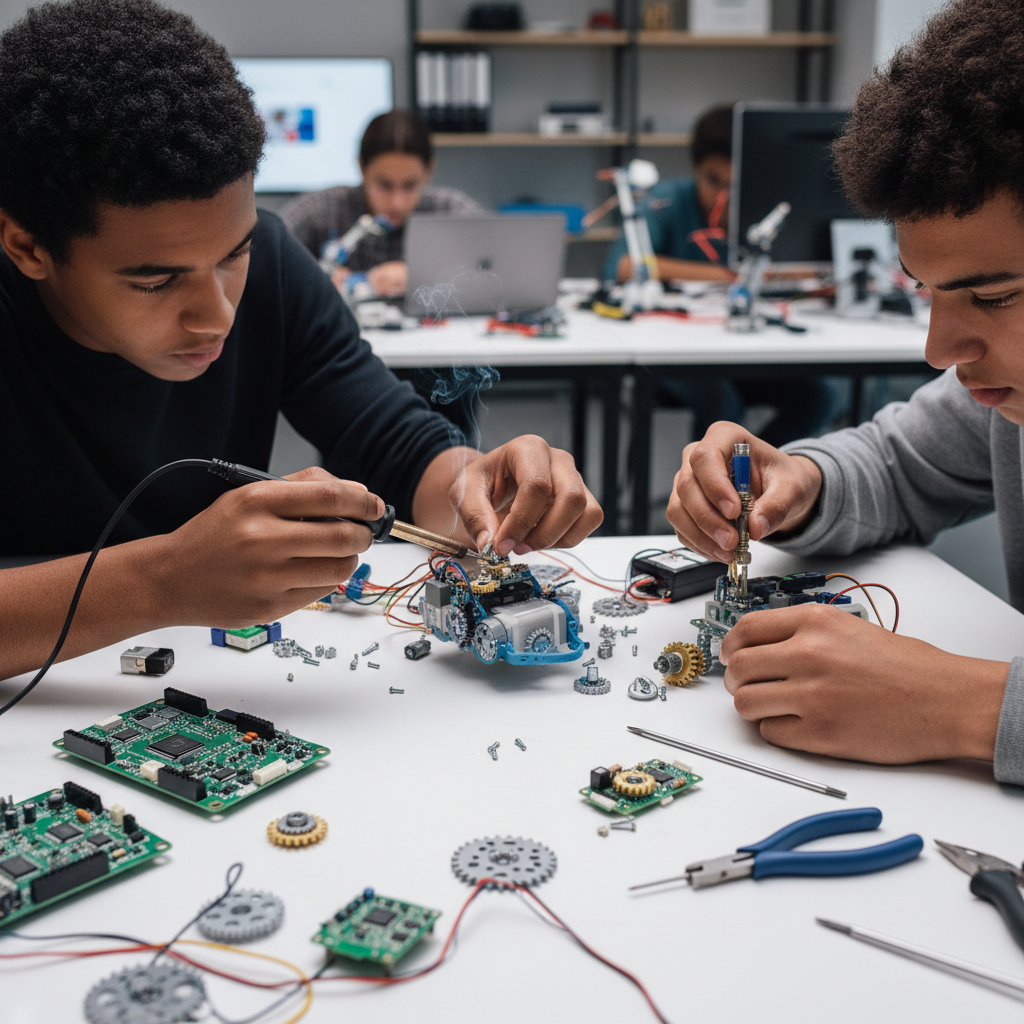
Collaboration between industries and academia is fostering innovation. Joint research projects and internships are providing students with practical experience, enhancing their skills and employability. This synergy is essential for driving Malaysia's robotics automation forward.
Conclusion
Robotics automation is set to play a significant role in Malaysia’s economic development. The latest trends indicate a promising future, with advancements in manufacturing, healthcare, and education. As the country continues to invest in this technology, Malaysia is poised to become a leader in the Southeast Asian robotics landscape.