
Robotics Integration Services: A Step-by-Step Guide to Success


In today's rapidly evolving technological landscape, integrating robotics into your business operations can be a game-changer. Whether you're in manufacturing, healthcare, logistics, or another industry, robotics integration can enhance efficiency, accuracy, and productivity. However, the process can be complex. This guide will walk you through the essential steps to successfully integrate robotics into your operations.
Understanding Your Needs
The first step in robotics integration is understanding your specific needs. Conduct a thorough assessment of your current processes to identify where robotics can add the most value. Consider areas where precision, speed, and consistency are crucial.
Engage with stakeholders across different departments to gather insights. Their input will help shape the direction of your robotics integration strategy. Be clear about your objectives—whether it's improving production speed, reducing errors, or enhancing safety.
Selecting the Right Robotics
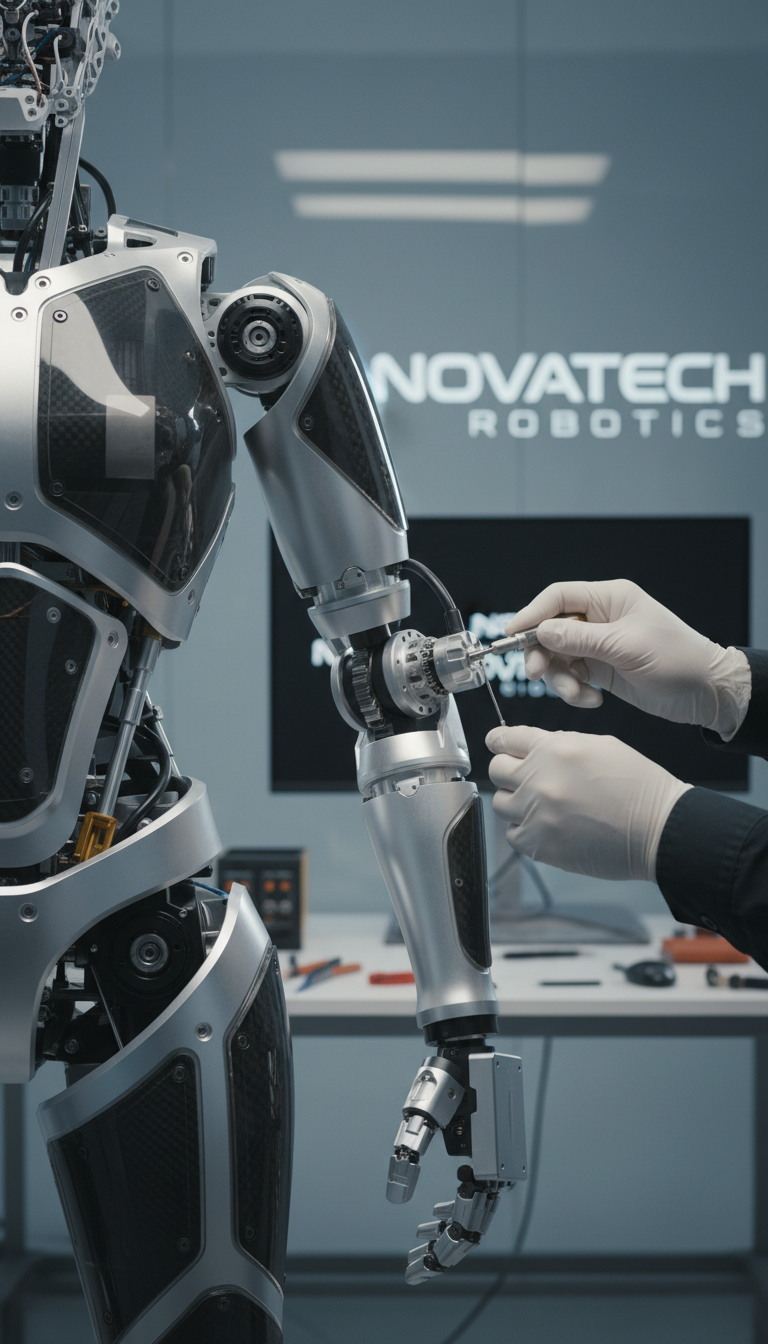
Once you've identified your needs, the next step is selecting the right robotics technology. There are various types of robots, each designed for specific tasks. For instance, collaborative robots (cobots) are ideal for working alongside humans, while industrial robots are suited for repetitive tasks.
Research different robotics vendors and technologies. Consider factors such as scalability, ease of integration, and compatibility with existing systems. It's crucial to choose a solution that aligns with your long-term business goals.
Designing the Integration Plan
Designing a comprehensive integration plan is vital to the success of your robotics project. This plan should outline the implementation timeline, budget, and resource allocation. Define roles and responsibilities clearly to ensure accountability at every stage.

It's also essential to consider the potential impact on your workforce. Plan for training programs to upskill employees, ensuring they can work effectively alongside new robotic systems. A smooth transition can help in gaining employee buy-in, which is crucial for success.
Implementation and Testing
With a solid plan in place, the next step is implementation. Begin with a pilot program to identify potential challenges and make necessary adjustments. This initial phase allows you to test the robotics in a controlled environment and gather valuable data.
Monitor the performance closely and solicit feedback from employees interacting with the robots. This feedback is invaluable for making improvements and ensuring the technology is meeting your operational needs.
Continuous Improvement
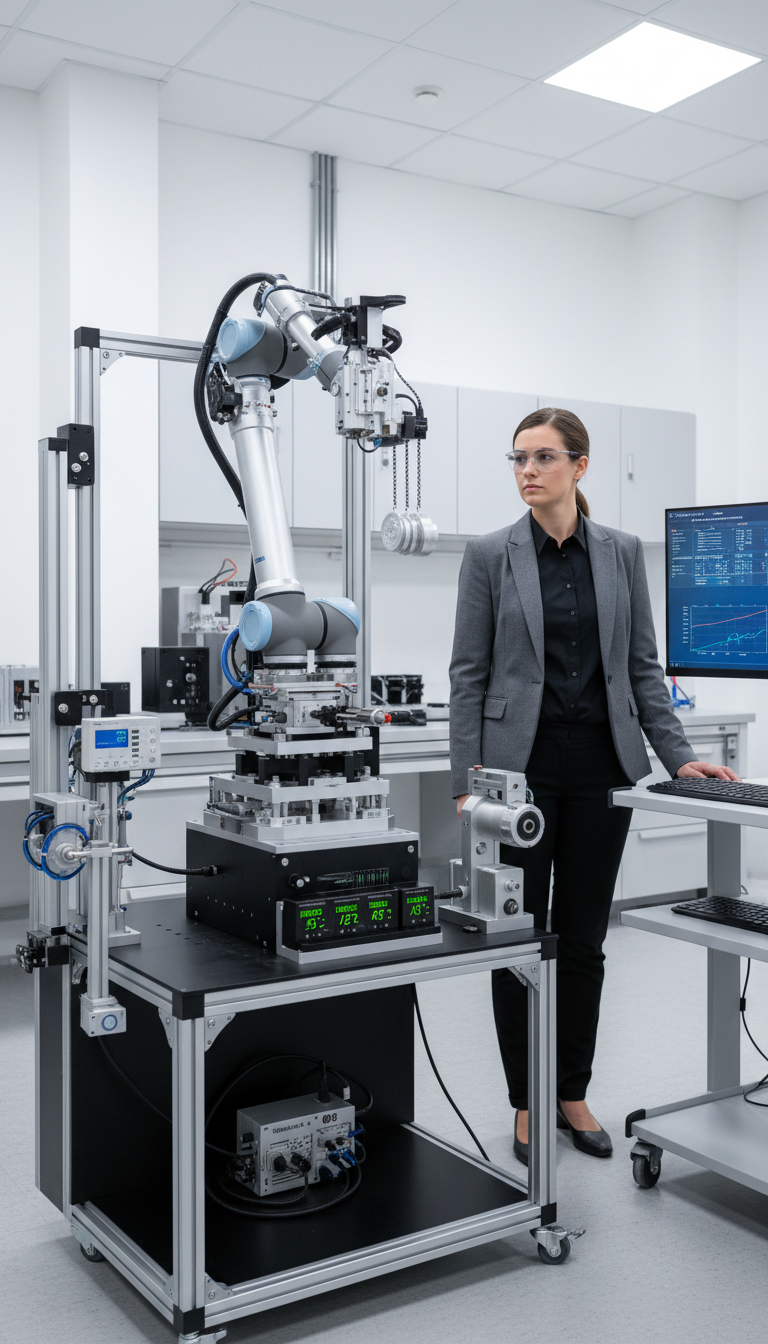
Robotics integration is not a one-time project but an ongoing process. Regularly assess the performance of your robotic systems and look for opportunities to optimize and expand their capabilities. Stay updated with the latest advancements in robotics technology to maintain a competitive edge.
Encourage a culture of innovation within your organization, where employees are motivated to suggest improvements and explore new applications for robotics. This proactive approach will help in maximizing the benefits of your investment.
Conclusion
Integrating robotics into your operations can significantly transform your business, driving efficiency and innovation. By following this step-by-step guide, you can navigate the complexities of robotics integration and set your organization up for long-term success. Embrace the future of technology and watch your business thrive.