
Success Stories: Transforming Businesses with Robotics in Malaysia


Introduction to Robotics in Malaysia
In recent years, Malaysia has emerged as a significant player in the field of robotics. The country's commitment to innovation and technology has fueled advancements that are transforming various industries. From manufacturing to healthcare, robotics is playing a critical role in reshaping business landscapes.
Manufacturing Revolution
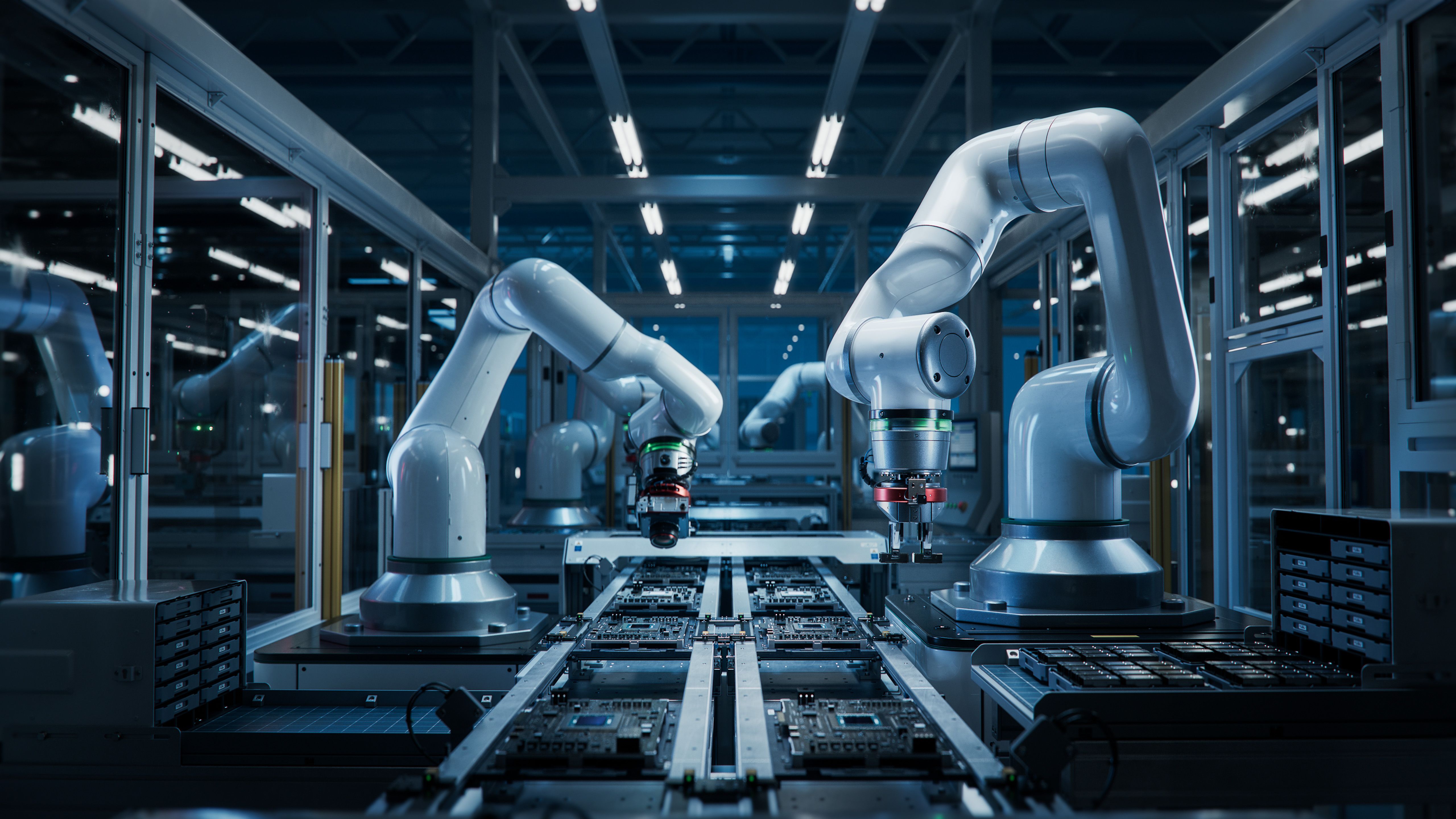
One of the most significant impacts of robotics in Malaysia is seen in the manufacturing sector. Companies are leveraging automation to enhance productivity and precision. By integrating robotic systems, manufacturers are reducing human error and increasing production rates, leading to more efficient and cost-effective operations.
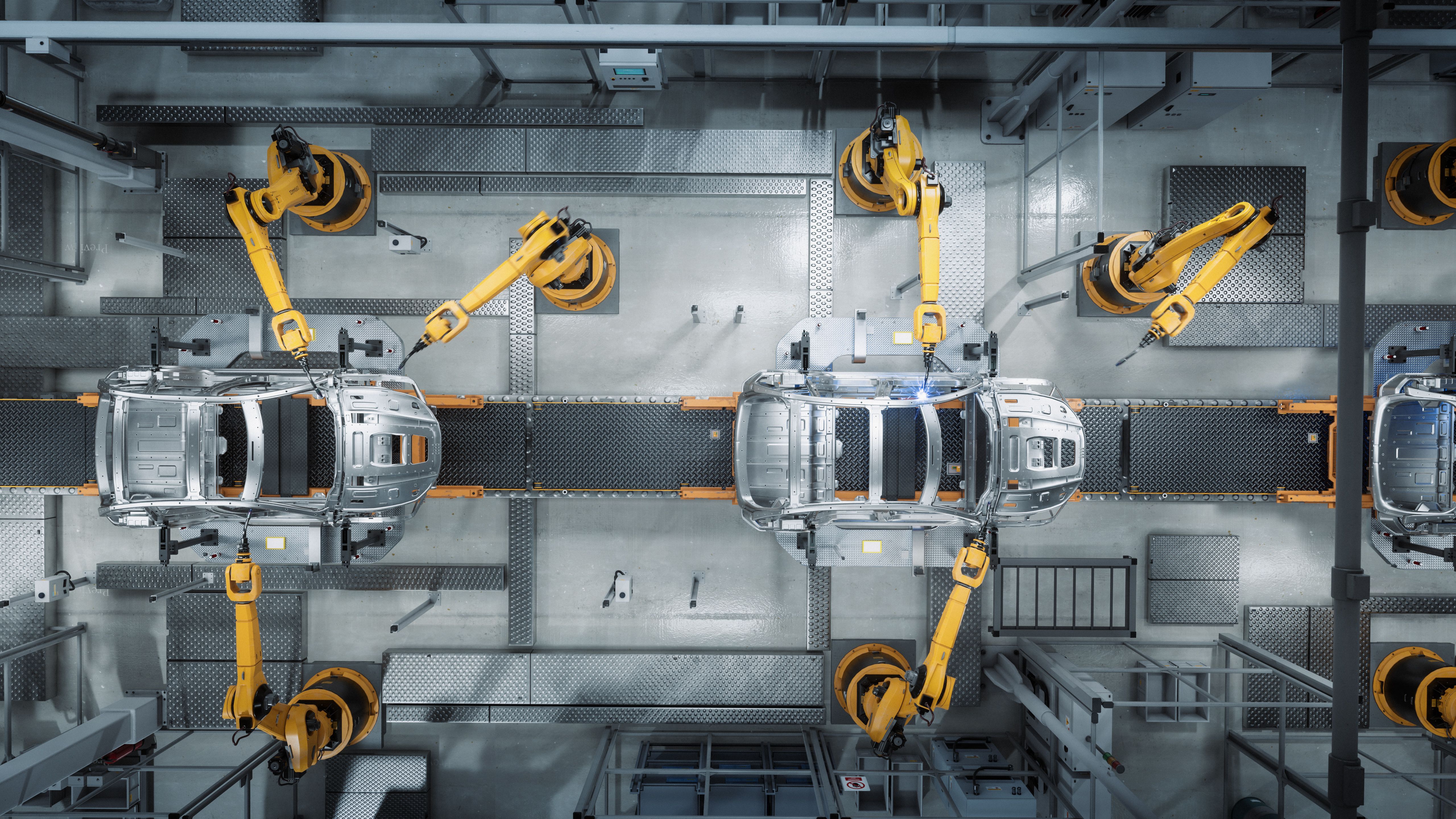
For example, a leading automotive company in Malaysia recently adopted robotic assembly lines, resulting in a 30% increase in output and a 20% reduction in production costs. This transformation has not only boosted profitability but also improved the quality of products.
Advancements in Healthcare
Robotics is also making waves in the healthcare industry. Malaysian hospitals are beginning to integrate robotic technologies for surgery and patient care. These advancements are enhancing precision in surgical procedures and improving patient outcomes.
A notable success story involves a Malaysian hospital that implemented robotic-assisted surgery, resulting in faster recovery times and reduced hospital stays. The use of robotics in healthcare is not only transforming patient care but also elevating the standards of medical practices in the country.

Robotics in Agriculture
In agriculture, robotics is helping to address challenges such as labor shortages and the need for sustainable practices. Automated systems for planting, harvesting, and monitoring crops are enhancing efficiency and reducing the environmental impact.
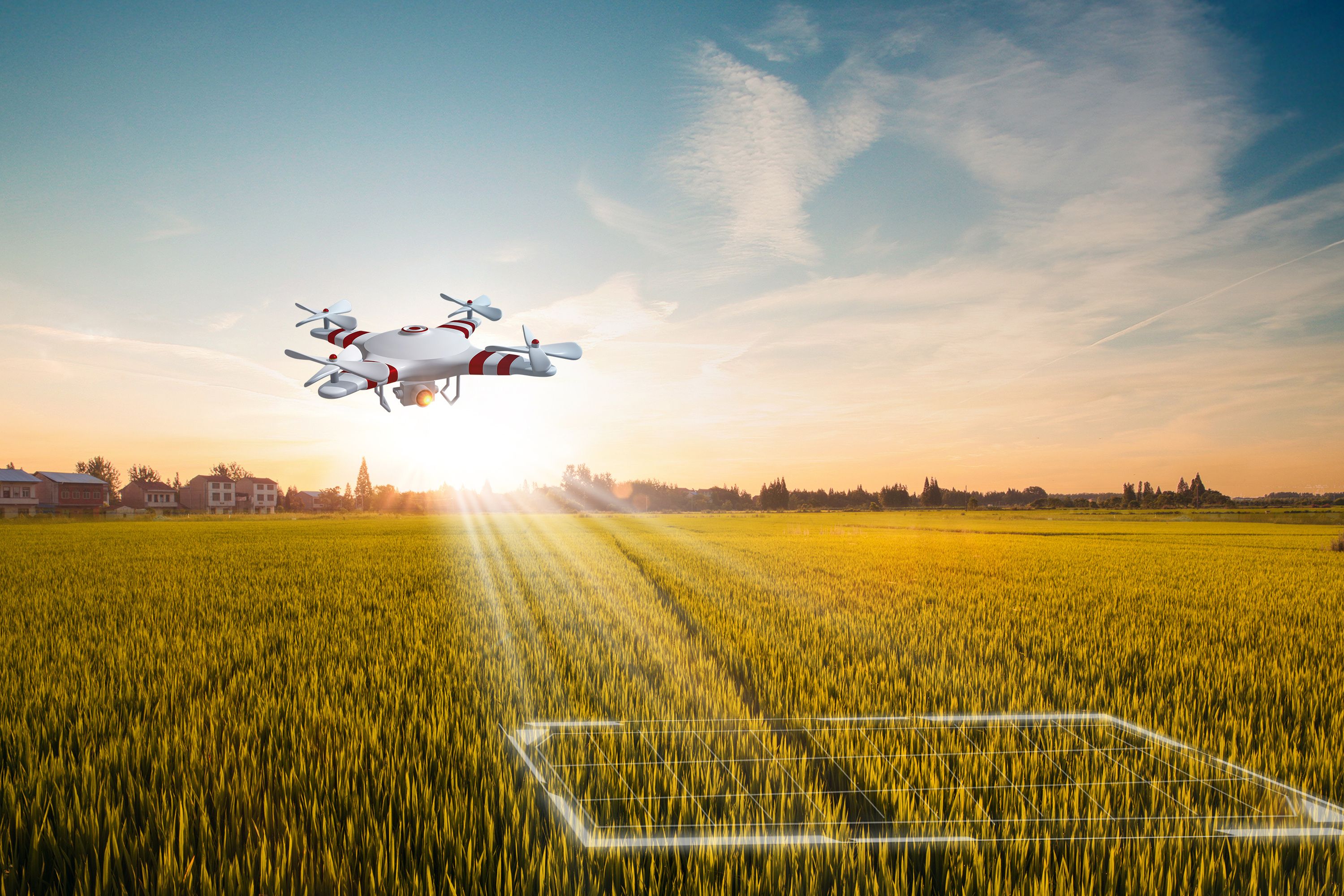
One agricultural firm in Malaysia implemented drone technology and robotic harvesters, significantly increasing yield and minimizing waste. This innovation is enabling farmers to meet the growing demands of food production while preserving natural resources.
Challenges and Opportunities
Despite these successes, the integration of robotics in Malaysia is not without challenges. Issues such as high initial investment costs and the need for skilled personnel to manage and maintain robotic systems are prevalent. However, these challenges present opportunities for growth and development.
The government and private sectors are investing in training programs to upskill the workforce, ensuring that Malaysia continues to lead in the robotics revolution. This commitment to education and innovation is paving the way for future advancements.
Future Prospects
The future of robotics in Malaysia looks promising. With ongoing investments in research and development, the country is poised to become a hub for robotic innovation in Southeast Asia. The continuous collaboration between industries, academia, and government is fostering an environment ripe for technological breakthroughs.
As robotics continues to evolve, businesses across Malaysia are expected to experience further transformations, driving economic growth and enhancing the quality of life for its citizens.

Conclusion
Robotics is transforming businesses across Malaysia, offering new opportunities and driving innovation. From manufacturing to healthcare and agriculture, the impact of robotics is profound and far-reaching. As Malaysia continues to embrace these technologies, the country is set to become a leader in the global robotics arena.