
Successful Implementation of Industrial Robots: A Case Study from Malaysia


Introduction to Industrial Robots in Malaysia
In recent years, Malaysia has emerged as a hub for industrial innovation, particularly in the realm of robotics. The successful implementation of industrial robots has become a pivotal factor in enhancing productivity and efficiency across various sectors. This case study explores how Malaysia is leveraging robotic technology to transform its industrial landscape.
The Driving Forces Behind Robotics Adoption
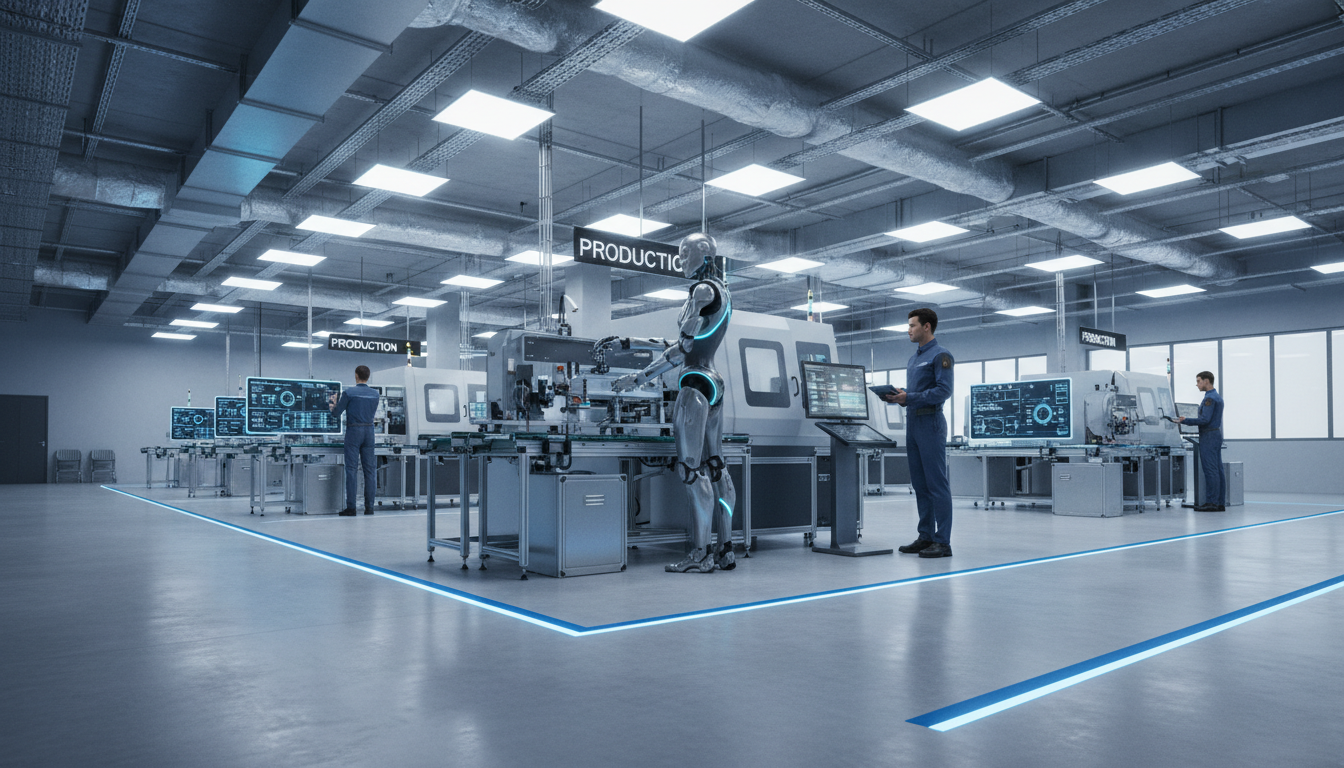
Several factors have contributed to the rise of industrial robots in Malaysia. Key drivers include the need for increased production efficiency, improved quality control, and the drive towards Industry 4.0. By integrating robotics, companies are able to reduce labor costs and minimize human error, paving the way for a more streamlined production process.
Moreover, government initiatives and incentives play a crucial role. The Malaysian government has been proactive in supporting technological advancements through various grants and subsidies, encouraging businesses to adopt cutting-edge solutions.
Case Study: A Leading Electronics Manufacturer
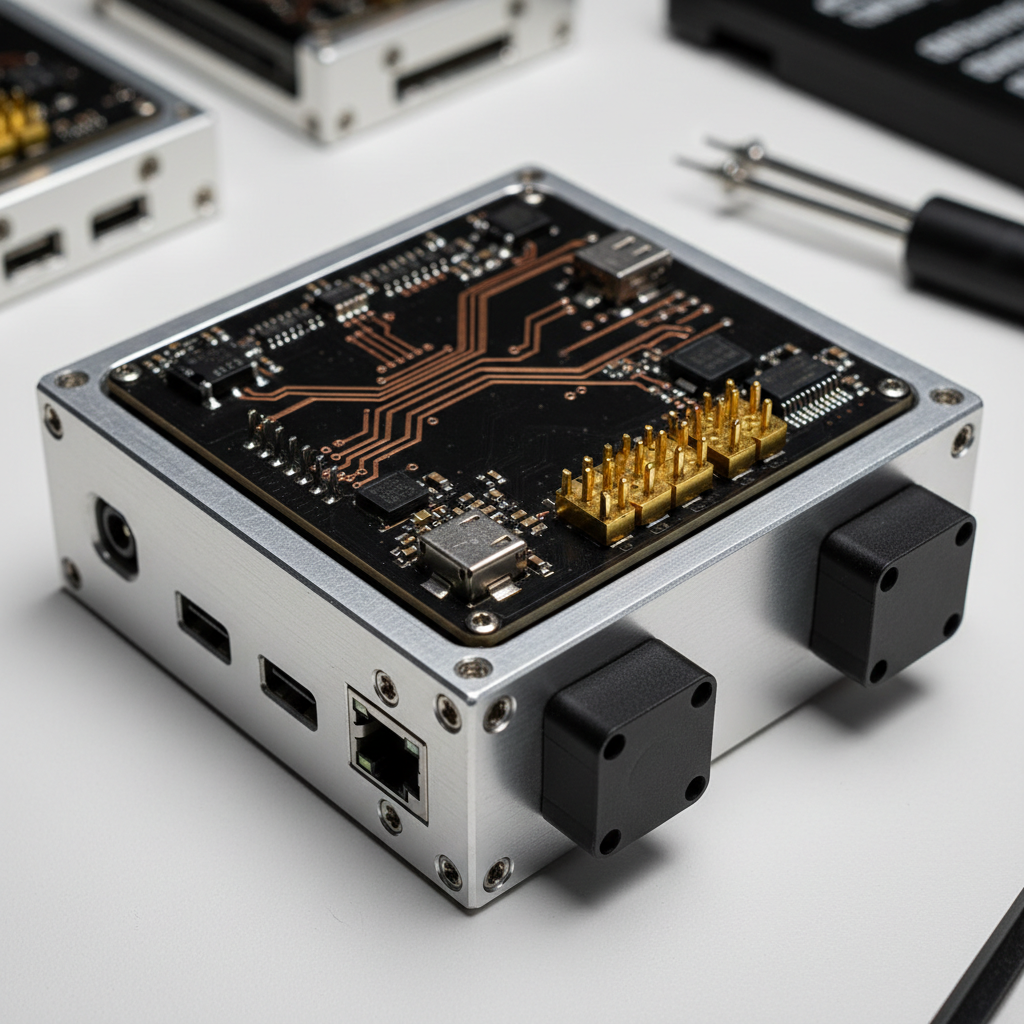
A prominent example of successful robotics implementation can be seen in a leading Malaysian electronics manufacturing company. By incorporating advanced robotic systems, the company managed to increase its production capacity by 30% while reducing operational costs by 20%.
Implementation Process
The implementation process involved several critical steps:
- Assessment and Planning: A thorough analysis of the existing production line to identify areas where robotics could make the most impact.
- Customization: Tailoring robotic solutions to meet specific operational needs.
- Integration: Seamlessly incorporating robots into the production line to ensure minimal disruption.
- Training: Providing comprehensive training for staff to manage and maintain robotic systems effectively.
Overcoming Challenges
Despite the benefits, the implementation of industrial robots is not without challenges. Companies often face hurdles such as high initial investment costs, technical complexities, and the need for skilled personnel. However, the long-term gains in productivity and quality often outweigh these initial challenges.
Positive Outcomes and Future Prospects
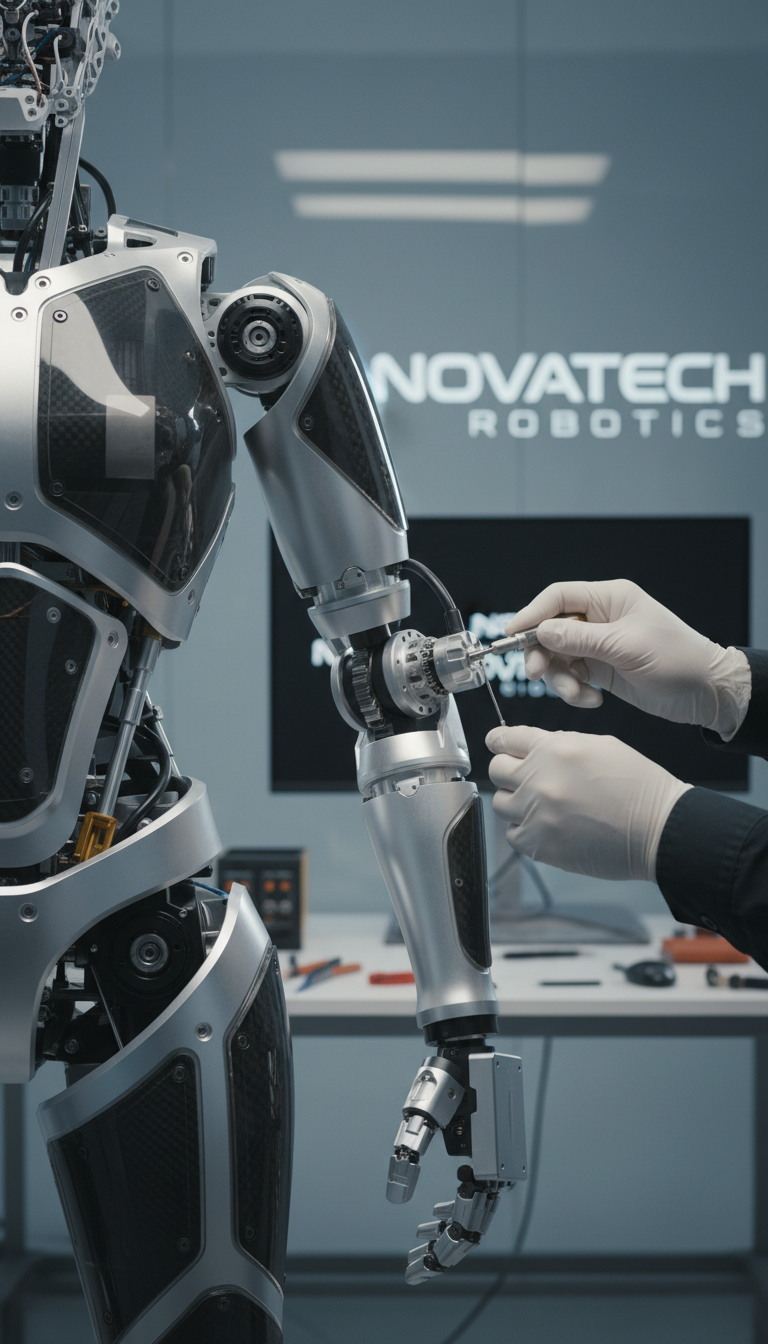
The successful deployment of industrial robots in Malaysia has led to numerous positive outcomes. Companies report not only higher productivity but also enhanced product quality and reduced waste. These improvements have positioned Malaysian manufacturers to compete more effectively on a global scale.
Looking ahead, the future of robotics in Malaysia appears promising. As technology continues to evolve, the potential for even greater advancements in automation and artificial intelligence is vast. This progress is likely to further bolster Malaysia's position as a leader in industrial innovation.
Conclusion
The case study of industrial robots in Malaysia highlights the transformative power of technology in manufacturing. By embracing robotics, Malaysian companies are not only boosting their own capabilities but are also setting a benchmark for others in the region. As businesses continue to adapt to the demands of the modern world, the role of industrial robots will undoubtedly become even more central to their success.