
The Future of Manufacturing in Malaysia with Robotics Automation


Introduction to Robotics Automation in Malaysia
As the global manufacturing landscape evolves, Malaysia is positioning itself at the forefront of this transformation by integrating robotics automation into its industrial sector. This shift is driven by the need to enhance productivity, maintain competitiveness, and address labor shortages.
The Malaysian government has been proactive in supporting this transition. Initiatives like the Industry4WRD policy aim to prepare the nation for the Fourth Industrial Revolution, focusing on smart manufacturing and digital technologies.
Benefits of Robotics in Manufacturing
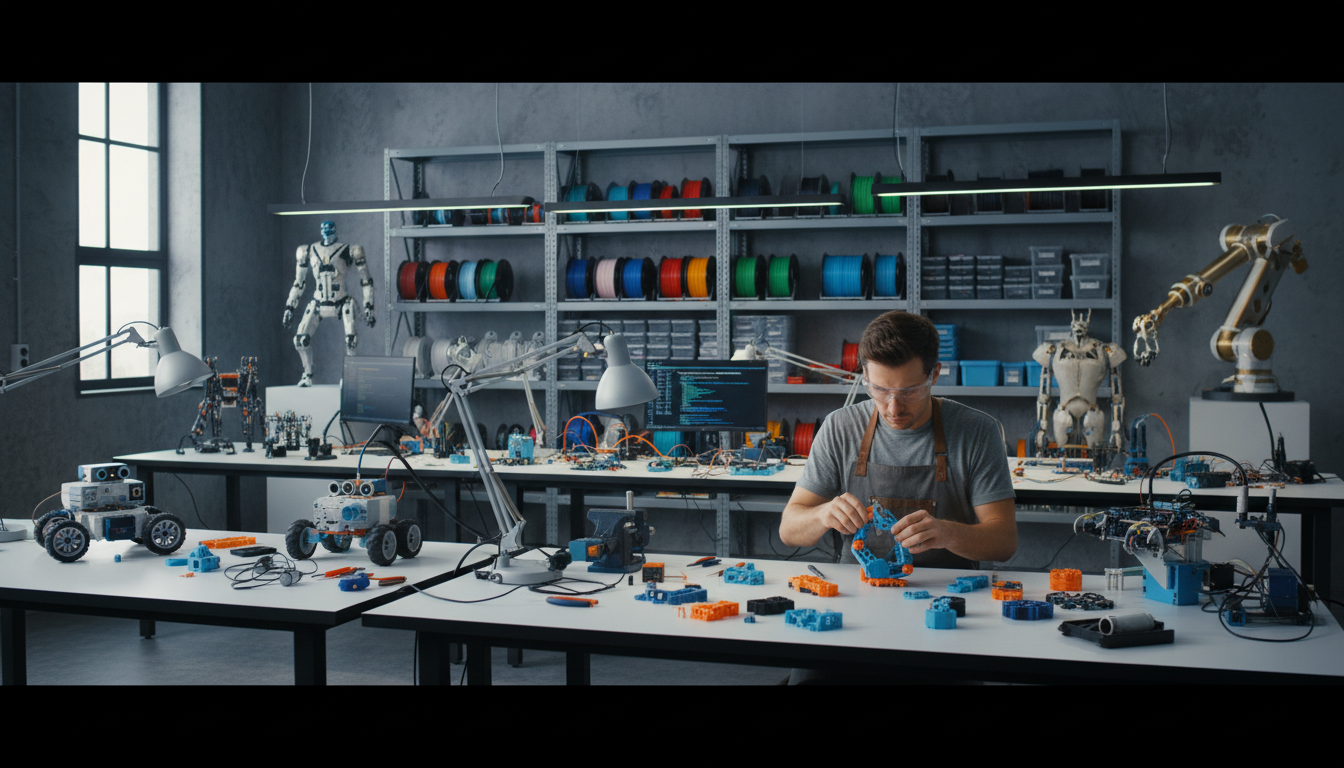
Robotics automation offers numerous benefits that are reshaping the manufacturing industry in Malaysia. These include:
- Increased Efficiency: Robots can operate 24/7, significantly boosting production rates.
- Improved Quality: Automation reduces human error, ensuring consistent product quality.
- Cost Reduction: Over time, the initial investment in robotics leads to lower operational costs.
By adopting robotics, Malaysian manufacturers can also enhance their global competitiveness, offering high-quality products at competitive prices.
Challenges in Implementing Robotics
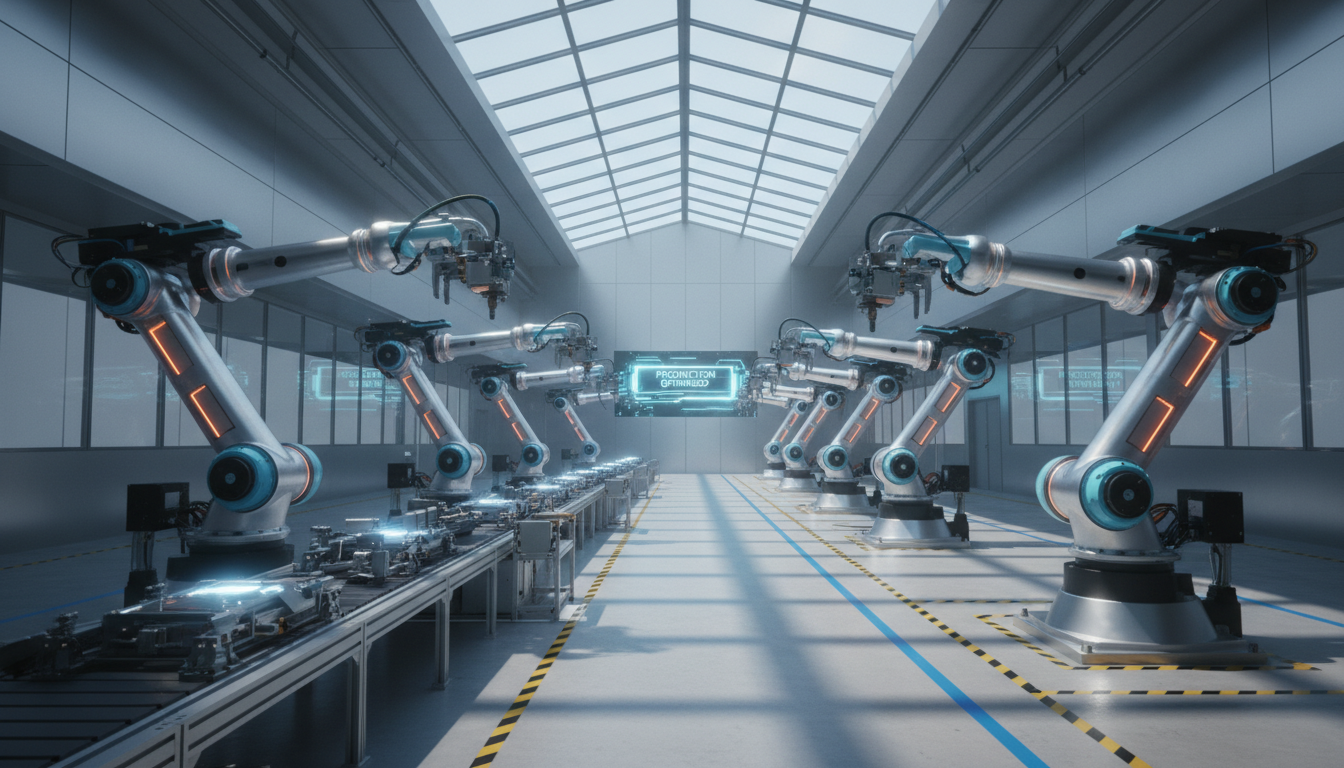
Despite the advantages, the adoption of robotics in Malaysia faces several challenges. A significant barrier is the high initial cost of acquiring and implementing robotic systems. Additionally, there is a need for skilled workers who can operate and maintain these sophisticated machines.
Another challenge is the integration of robotics with existing systems. Many manufacturers have legacy systems that require substantial upgrades to accommodate new technologies.
The Role of Education and Training
To address these challenges, Malaysia is investing in education and training programs to develop a skilled workforce ready to support the robotics revolution. Collaboration between industry and educational institutions is crucial to ensure that training programs meet the demands of modern manufacturing.
The Future Outlook
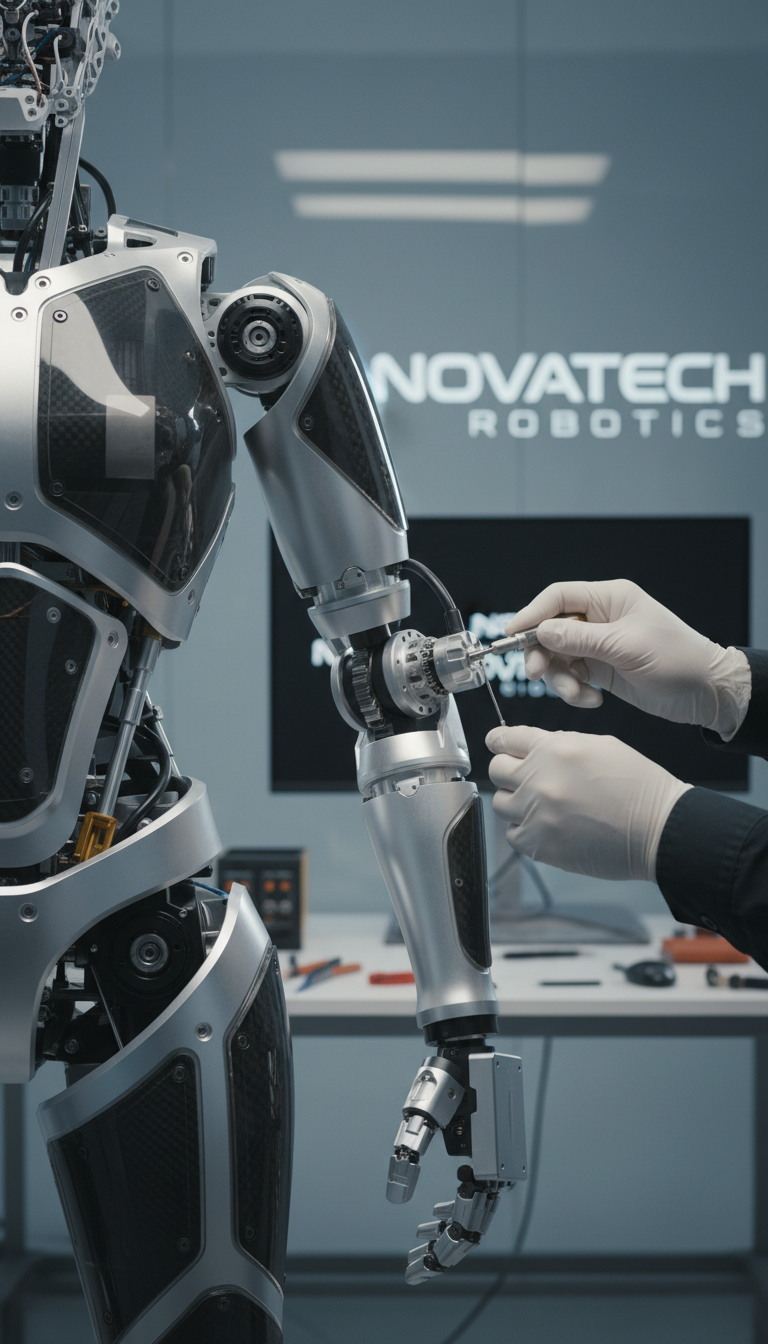
The future of manufacturing in Malaysia with robotics automation looks promising. With continuous advancements in technology, robots are becoming more affordable and versatile, making them accessible to companies of all sizes.
Malaysia's strategic location, coupled with its supportive government policies, positions it as a hub for advanced manufacturing in the region. By embracing robotics, Malaysia can lead the way in innovative manufacturing solutions.
Conclusion
Robotics automation is not just a trend but a necessity for the future of manufacturing in Malaysia. As the nation continues to embrace this transformation, it will pave the way for sustainable growth, increased productivity, and a more competitive economy.
With ongoing support from the government and collaboration across sectors, Malaysia is set to become a leader in smart manufacturing in Southeast Asia.