
The Future of Robotics: How Automation is Transforming Malaysian Industries


In recent years, Malaysia has witnessed a remarkable transformation in its industrial landscape, driven by advancements in robotics and automation. As these technologies continue to evolve, they offer significant opportunities for various sectors, enhancing productivity and efficiency. This blog post explores how automation is shaping Malaysian industries and what the future holds.
Enhancing Manufacturing Efficiency
Manufacturing is one of the key sectors benefiting from automation in Malaysia. With the integration of robotics, manufacturers can optimize production lines, reduce labor costs, and increase output. Automated systems enable precision and speed, revolutionizing traditional manufacturing processes. This shift not only improves product quality but also enhances competitiveness on a global scale.
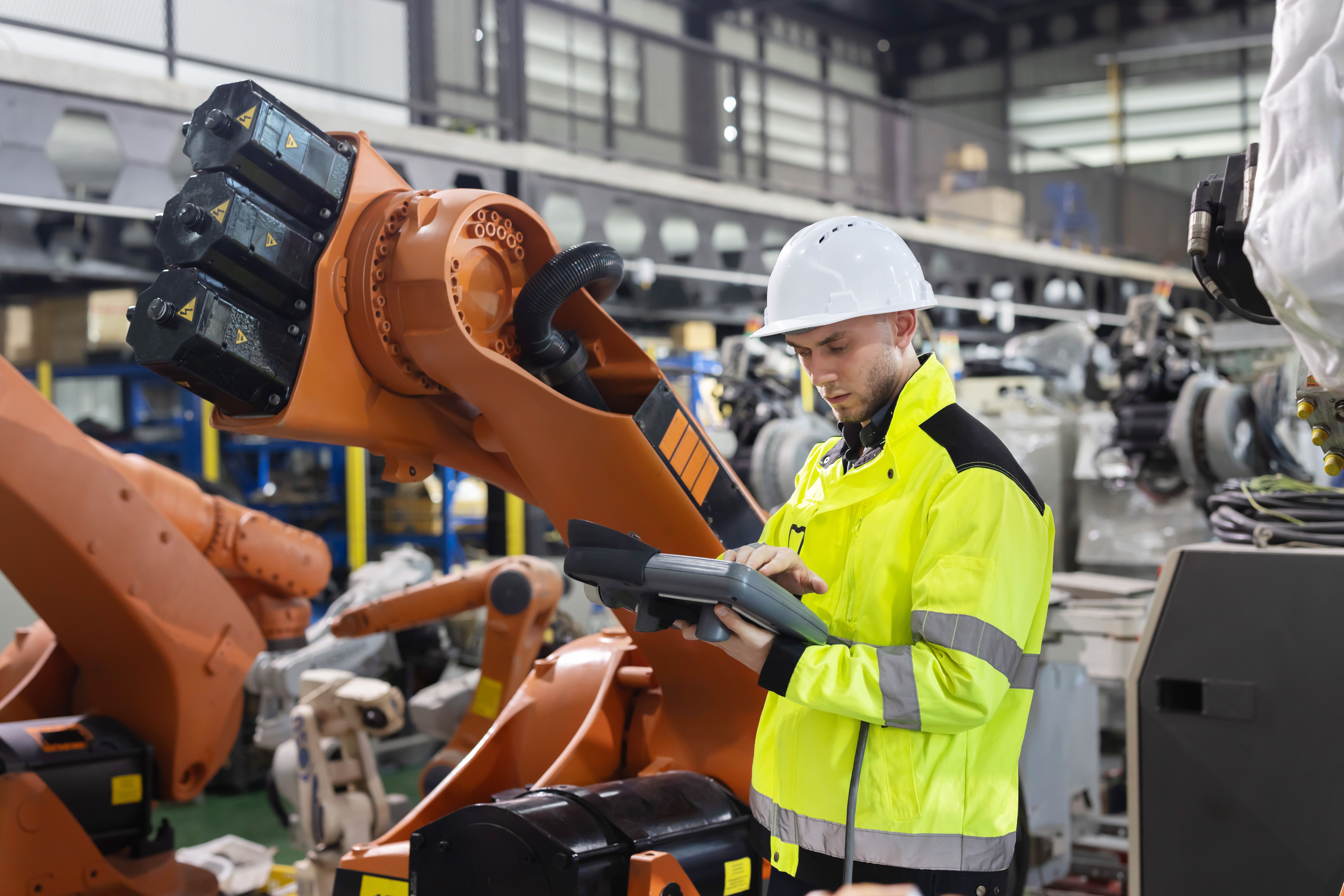
The Malaysian government has been proactive in supporting this transition. Initiatives such as Industry4WRD are designed to facilitate the adoption of Industry 4.0 technologies, including robotics, in manufacturing. By providing incentives and resources, the government aims to position Malaysia as a leader in automated manufacturing in the region.
Transforming the Agriculture Sector
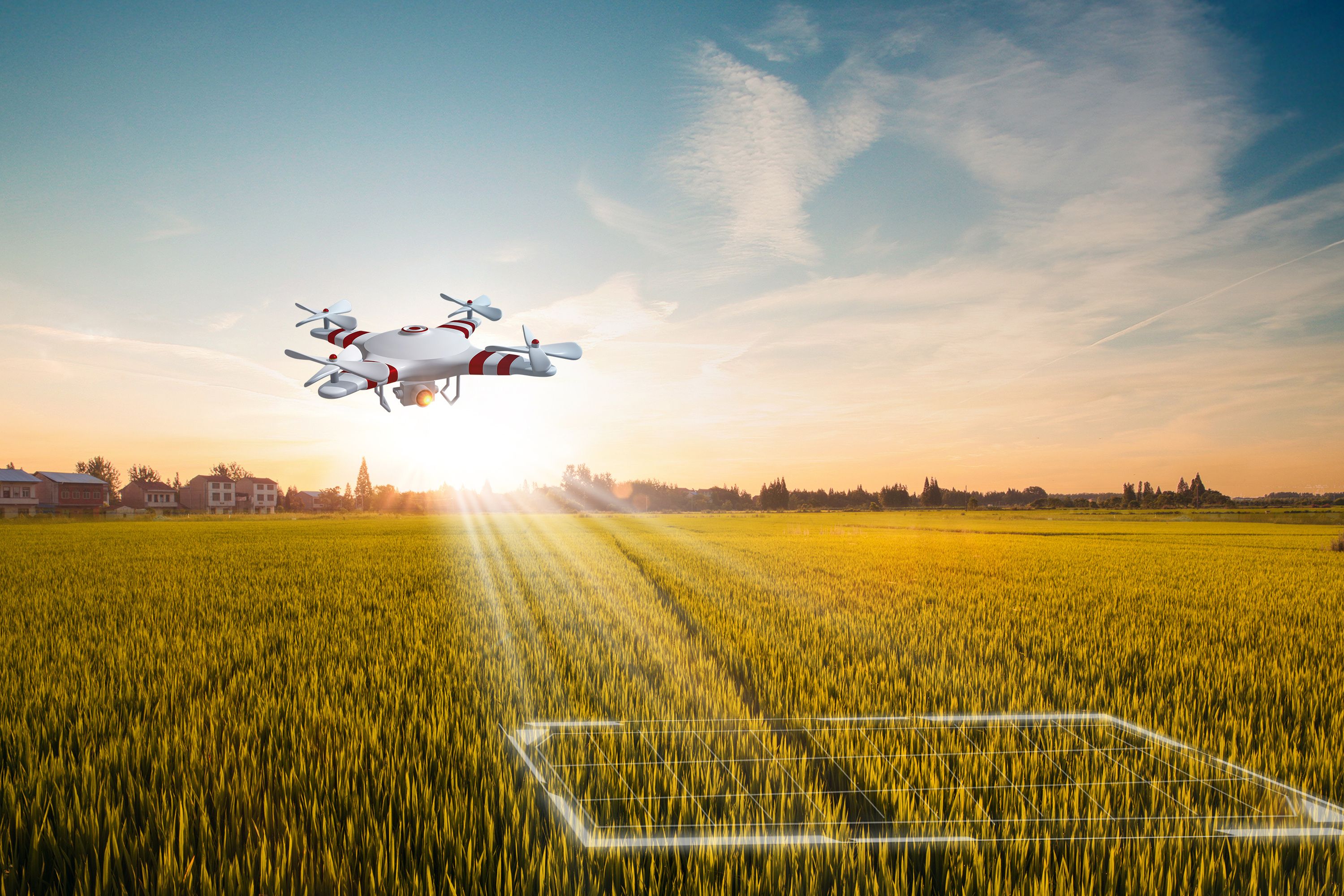
Automation is making significant inroads into Malaysia's agriculture sector as well. Robotics technology is being used to perform tasks such as planting, harvesting, and monitoring crops. These innovations help farmers overcome labor shortages and increase crop yields, ensuring food security and sustainability.
For instance, the use of drones for aerial monitoring allows for precise measurement of crop health and soil conditions. Automated machinery for planting and harvesting reduces the physical strain on farmers and allows for more efficient use of resources.
Revolutionizing Healthcare
The healthcare sector in Malaysia is also experiencing transformative changes due to automation. Robotics is being integrated into surgical procedures, diagnostics, and patient care, improving accuracy and outcomes. Automated systems can assist in repetitive tasks, allowing healthcare professionals to focus more on patient interaction and care.
Furthermore, the use of AI-driven diagnostic tools ensures quicker and more reliable diagnoses, which is crucial for effective treatment. These advancements promise to enhance the overall quality of healthcare services in the country.

Challenges and Opportunities
While the benefits of automation in Malaysia are clear, there are challenges to overcome. Workforce displacement and the need for upskilling are pressing concerns. As robots take over routine tasks, there is a growing demand for skilled workers to manage and maintain these systems.
- Investing in education and training programs is essential to prepare the workforce for the future.
- Collaboration between government, industry, and educational institutions can drive this transition.
- Continuous innovation and adaptation are key to staying ahead in the global market.
By addressing these challenges, Malaysia can harness the full potential of automation, ensuring sustainable economic growth and development.
The Road Ahead
The future of robotics in Malaysia is promising. As industries continue to embrace automation, the country's economic landscape will evolve, leading to increased prosperity and innovation. With strategic planning and investment, Malaysia is well-positioned to become a hub for advanced robotics and automation technologies in Southeast Asia.
In conclusion, the ongoing integration of robotics and automation across Malaysian industries signifies a new era of productivity and growth. By embracing these advancements, Malaysia can secure its place as a competitive player on the global stage.