
The Future of Robotics Automation in Malaysia: Trends and Predictions


Introduction
As Malaysia continues to evolve technologically, the role of robotics automation is becoming increasingly significant. The country is poised to become a leader in the Southeast Asian region, leveraging advanced robotics to enhance industrial and economic growth. This blog post explores the current trends and future predictions for robotics automation in Malaysia.
Current Trends in Robotics Automation
One of the most notable trends in Malaysia is the integration of robotics in manufacturing. Industries such as automotive, electronics, and food processing are increasingly adopting robotic solutions to enhance productivity and precision. The adoption of Industry 4.0 technologies is also driving this shift, enabling businesses to achieve greater efficiency.
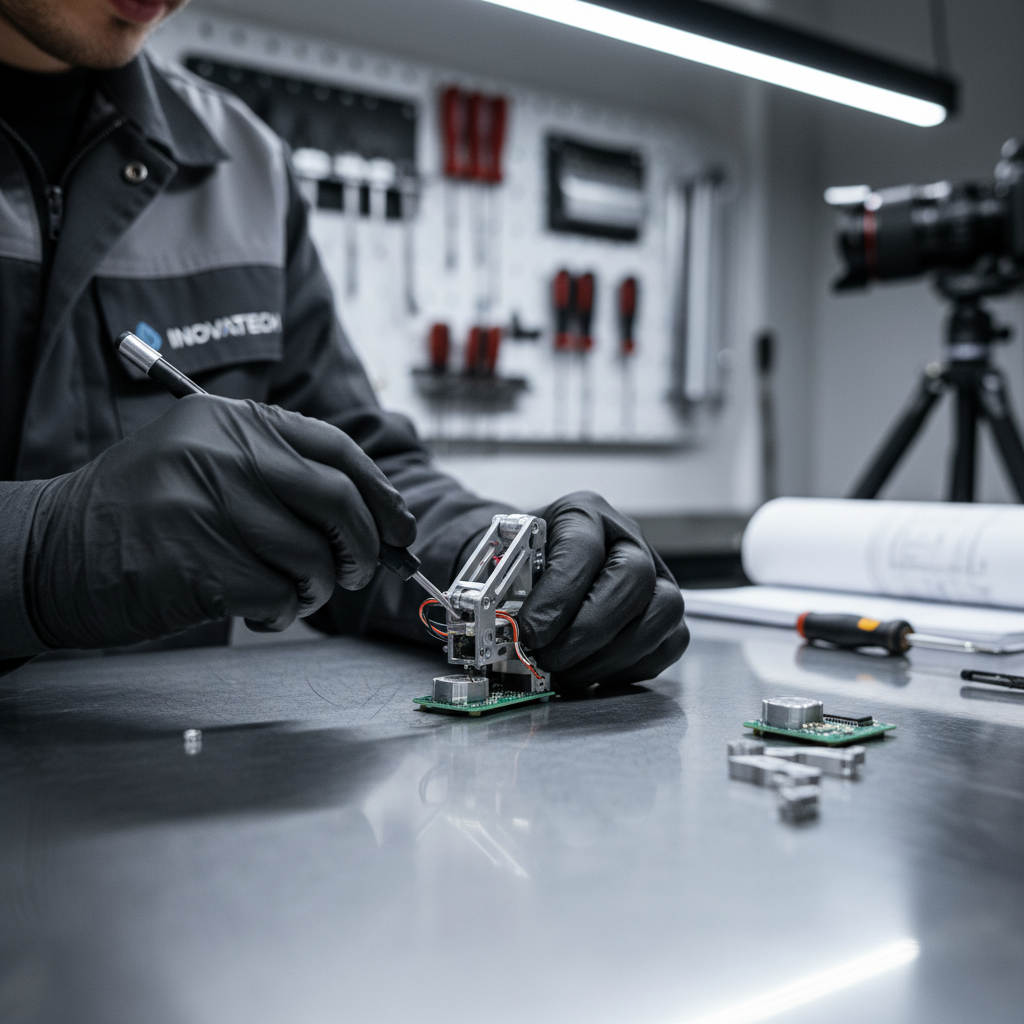
Moreover, the Malaysian government is actively supporting this transition through policies and incentives. Initiatives like the National Policy on Industry 4.0 (Industry4WRD) aim to transform Malaysia into a high-tech nation by promoting the adoption of advanced technologies, including robotics.
Key Sectors Benefiting from Robotics
Several sectors in Malaysia are reaping the benefits of robotics automation. The healthcare industry, for instance, is utilizing robotics for surgeries, rehabilitation, and patient care. This not only improves the quality of care but also reduces operational costs.
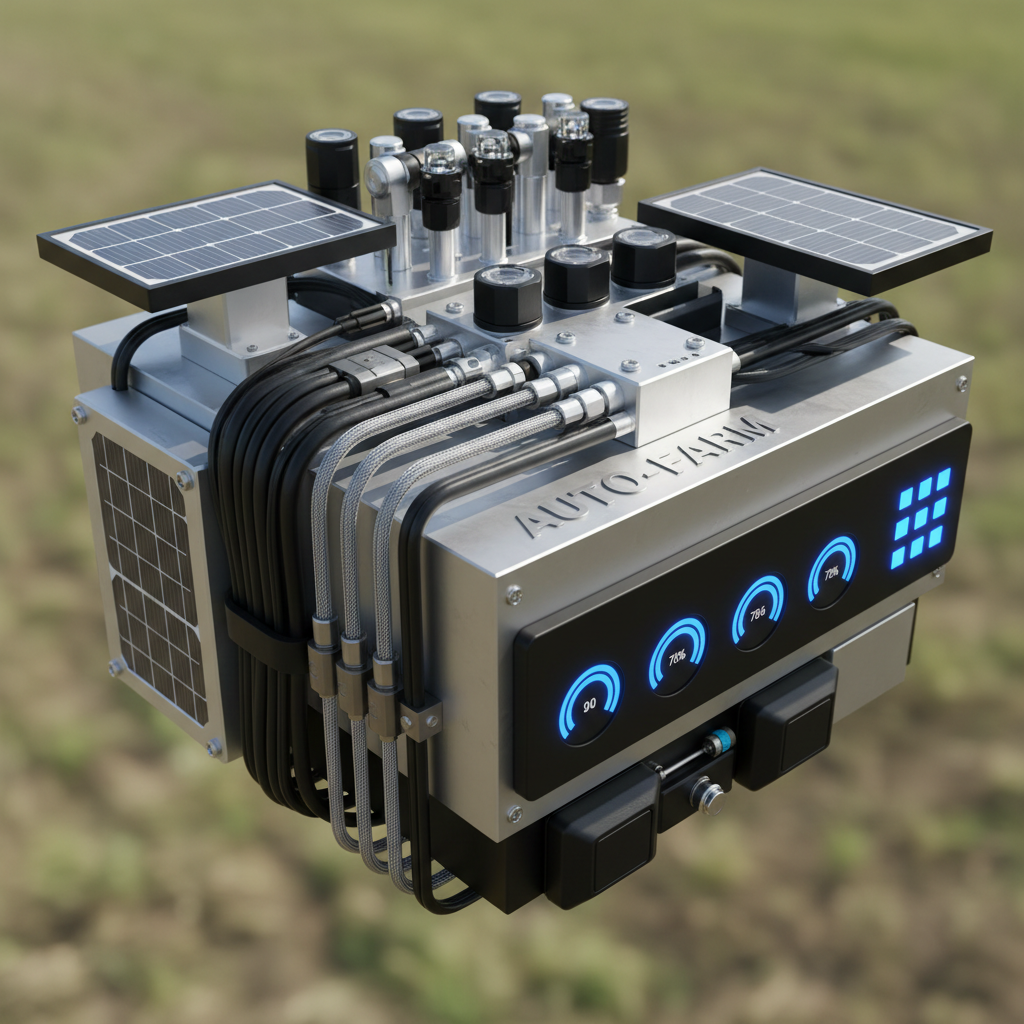
The agricultural sector is another area experiencing transformation. Robotics is being used for tasks such as planting, harvesting, and monitoring crop health, leading to increased efficiency and sustainability.
Challenges and Opportunities
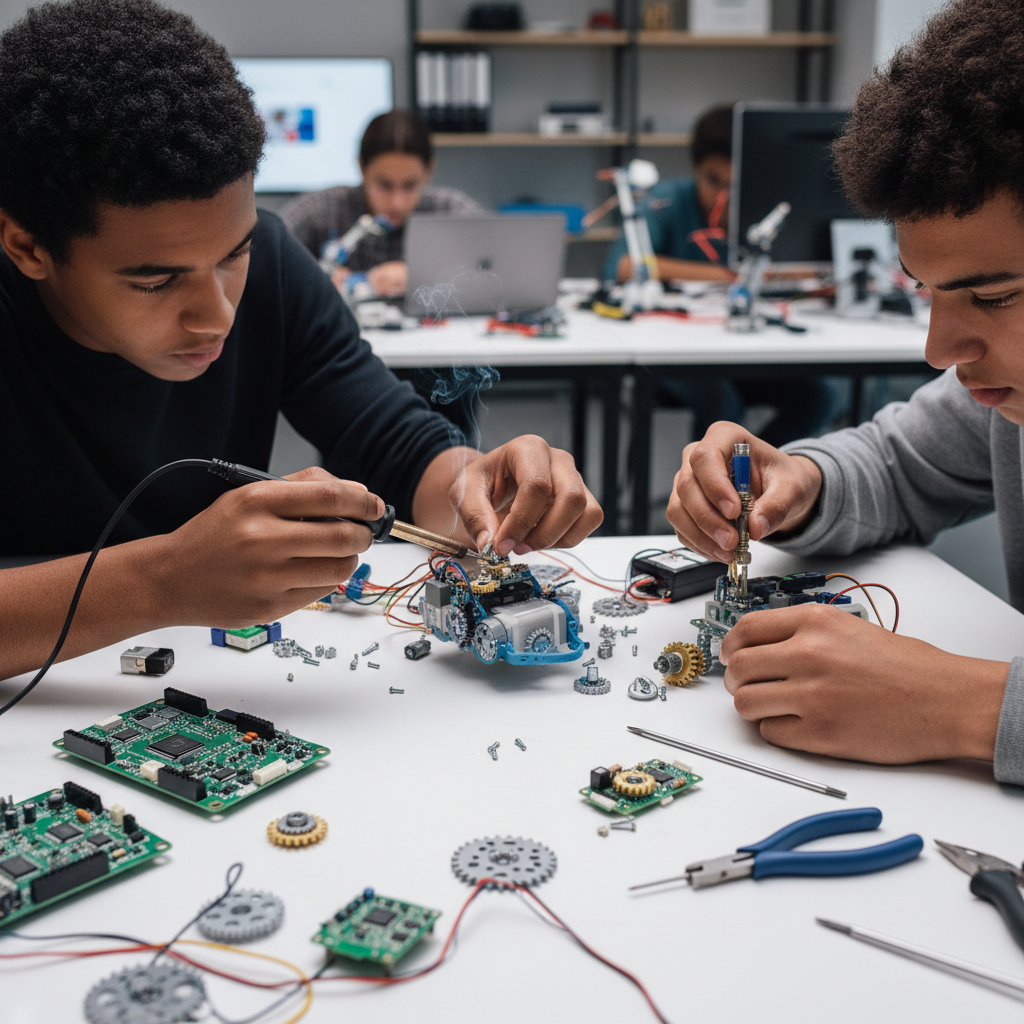
Despite the promising future, the adoption of robotics in Malaysia faces certain challenges. High initial costs, lack of skilled workforce, and limited awareness among small and medium enterprises (SMEs) are significant barriers. However, these challenges present opportunities for growth in education and training programs tailored to robotics and automation.
Additionally, collaborations between the government, academia, and industry can foster innovation and development in this field, creating a robust ecosystem for robotics technology.
Future Predictions
Looking ahead, the future of robotics automation in Malaysia looks promising. It is predicted that by 2030, robotics will play a crucial role in not only industrial sectors but also in everyday life, from smart homes to public infrastructure.
Moreover, advancements in artificial intelligence and machine learning will further enhance the capabilities of robotics, making them more autonomous and efficient. This will likely lead to the emergence of new business models and job opportunities, reshaping the Malaysian economy.
Conclusion
In conclusion, the future of robotics automation in Malaysia is filled with potential. By embracing these technologies, Malaysia can enhance its competitiveness on the global stage, drive economic growth, and improve the quality of life for its citizens. The journey towards a robotic future is well underway, with exciting developments on the horizon.