
The Future of Robotics Automation in Malaysia: What to Expect


As Malaysia strides towards a more technologically advanced future, the role of robotics automation is becoming increasingly significant. With rapid advancements and growing investments in technology, Malaysia is poised to become a leader in robotics within Southeast Asia. This transformation is expected to reshape various sectors, enhancing efficiency and productivity across the board.

The Current State of Robotics in Malaysia
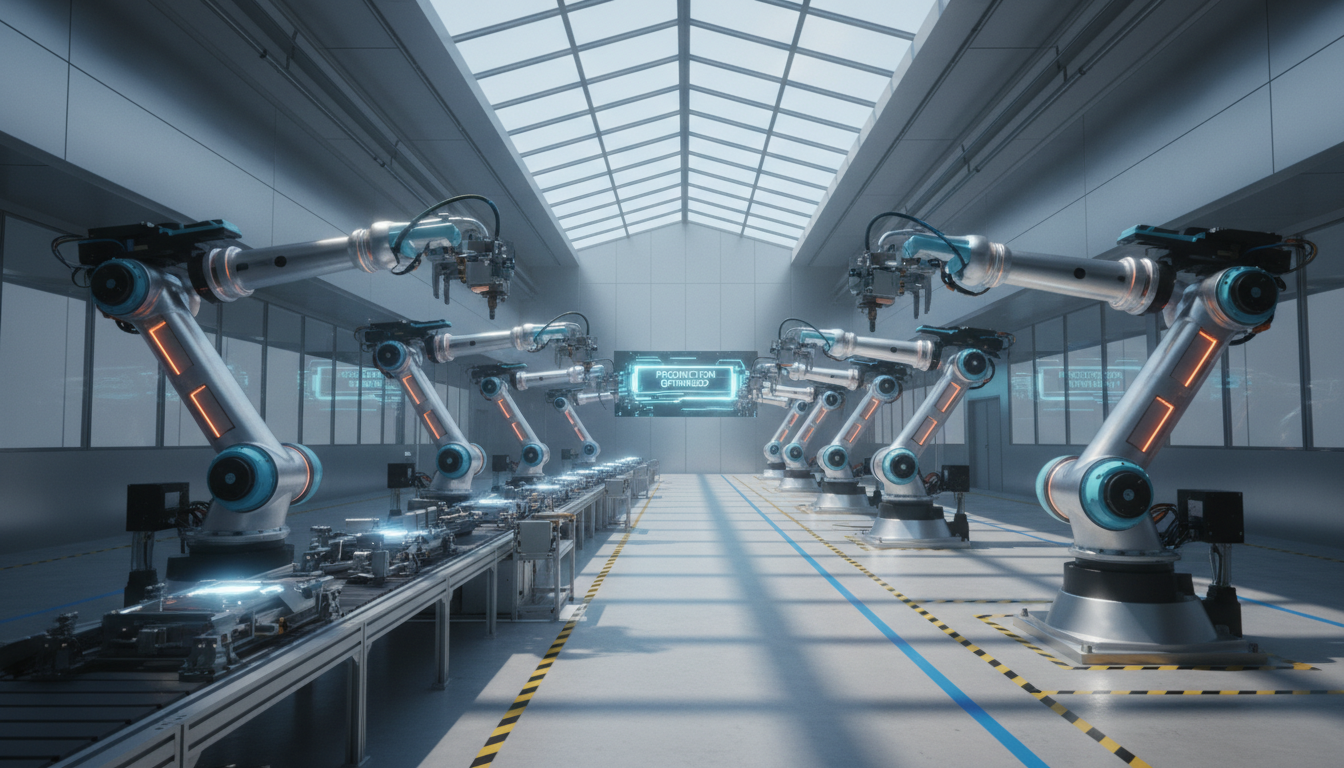
Malaysia has shown a strong commitment to integrating robotics into its industries. The government has launched various initiatives and policies to encourage the adoption of automation, aiming to position the country as a hub for high-tech manufacturing. This includes the development of smart factories and the incorporation of Internet of Things (IoT) technologies.
Currently, the automotive and electronics sectors are leading the charge in robotics adoption. These industries have embraced automation to optimize operations and reduce costs, setting a precedent for others to follow. The trend is expected to expand into other sectors such as agriculture and healthcare, where robotics can offer substantial improvements.
Emerging Trends in Robotics Automation
Several trends are emerging in the Malaysian robotics landscape. One of the most notable is the rise of collaborative robots, or cobots. These robots are designed to work alongside humans, enhancing productivity and safety on the manufacturing floor. Their flexibility and ease of use make them ideal for small and medium-sized enterprises (SMEs) looking to integrate automation without extensive investment.
Another trend is the increasing use of artificial intelligence (AI) in robotics. AI-driven robots can perform complex tasks, learn from their environment, and improve over time. This capability is particularly beneficial in sectors requiring precision and adaptability, such as healthcare and logistics.

Challenges and Opportunities
While the potential of robotics automation in Malaysia is immense, several challenges must be addressed. One significant hurdle is the skill gap in the workforce. To fully leverage robotics, there is a need for a skilled workforce equipped with the necessary technical knowledge. This calls for enhanced education and training programs focused on robotics and automation technologies.
On the flip side, these challenges present opportunities for growth and innovation. By investing in education and fostering a culture of innovation, Malaysia can not only meet its automation goals but also drive economic growth and job creation. The government's role in facilitating this transition is crucial, as is collaboration with private sector players.
The Road Ahead
Looking ahead, the future of robotics automation in Malaysia appears bright. With ongoing investments and strategic initiatives, the country is on track to become a regional leader in automation. In the coming years, we can expect to see a more widespread adoption of robotics across various industries, leading to increased competitiveness and efficiency.
The integration of robotics will also likely drive sustainability efforts, as automated systems can help reduce waste and optimize resource use. This aligns with Malaysia's broader goals of sustainable development and environmental responsibility.

In conclusion, as Malaysia continues to embrace the potential of robotics automation, the nation is set to experience transformative changes. These advancements will not only enhance industrial capabilities but also improve the quality of life for its citizens. The journey towards a fully automated future is just beginning, and the possibilities are boundless.