
The Impact of Robotics on Malaysia's Manufacturing Sector


The manufacturing sector in Malaysia has long been a cornerstone of the country’s economy. With the advent of robotics, this sector is experiencing significant transformation, promising increased efficiency, productivity, and competitiveness on a global scale.
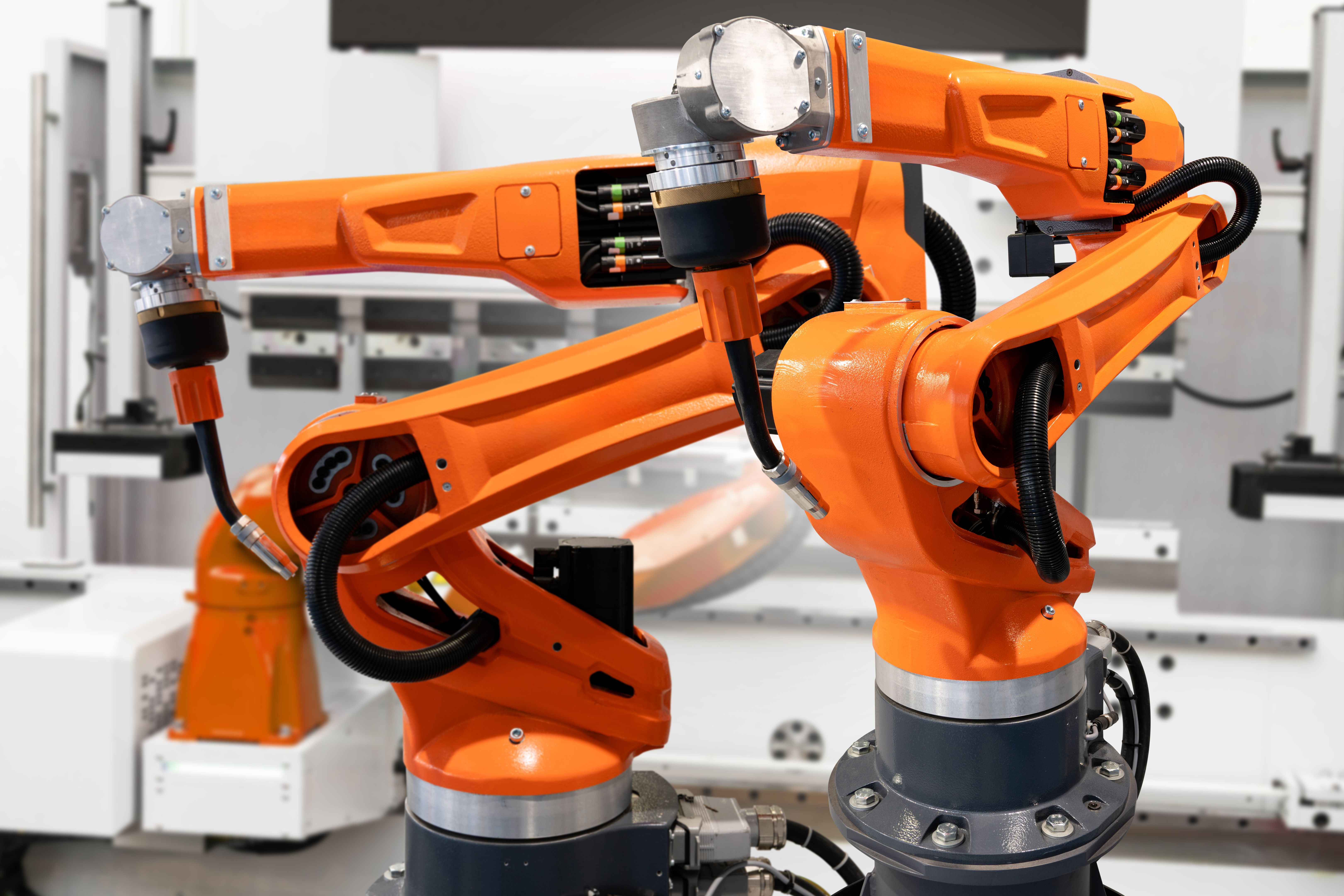
Robotics and automation are reshaping the way manufacturing processes are conducted. From assembly lines to quality assurance, robots are being integrated to enhance precision and reduce human error. This shift is not only streamlining operations but also reducing costs and increasing output.
Enhancing Productivity and Efficiency
The implementation of robotics in manufacturing has led to remarkable improvements in productivity. Robots can operate 24/7 without fatigue, allowing for continuous production cycles. This capability is crucial in meeting the growing demands of both local and international markets.
Moreover, the precision of robotic systems ensures consistent product quality, minimizing waste and the need for rework. This consistency is vital for maintaining high standards and fulfilling stringent regulatory requirements.
Reducing Operational Costs
While the initial investment in robotics can be substantial, the long-term savings are significant. Automation reduces labor costs, as fewer human workers are needed for repetitive and hazardous tasks. Additionally, robots help in decreasing material waste and energy consumption, contributing to overall cost efficiency.

Impact on the Workforce
The introduction of robotics in manufacturing has sparked concerns about job displacement. However, it also opens up new opportunities for the workforce. There is a growing demand for skilled workers to manage, program, and maintain these sophisticated machines.
Training and upskilling programs are essential to equip the current workforce with the necessary skills to thrive in a more automated environment. By focusing on education and skill development, Malaysia can ensure that its workforce remains competitive and adaptable.

Challenges and Opportunities
Despite the benefits, integrating robotics into manufacturing is not without challenges. Businesses must consider the high initial costs and the complexity involved in implementing these technologies. Additionally, there are concerns about cybersecurity and the need for robust systems to protect sensitive data.
However, the opportunities outweigh the challenges. Embracing robotics can lead to the creation of high-tech ecosystems, fostering innovation and attracting foreign investment. This transition can position Malaysia as a leader in advanced manufacturing in the region.
The Future of Manufacturing in Malaysia
As robotics continue to evolve, their impact on Malaysia's manufacturing sector is likely to grow. The government and private sectors must collaborate to create policies that support robotics adoption and ensure that the benefits are widely shared.
By embracing these technological advancements, Malaysia is poised to enhance its manufacturing capabilities, bolster its economy, and improve its global standing. The future of manufacturing, powered by robotics, promises to be more efficient, sustainable, and innovative.