
The Impact of Robotics on Southeast Asia's Future Workforce


The Rise of Robotics in Southeast Asia
Southeast Asia is rapidly evolving, with robotics playing a critical role in this transformation. The region's embrace of automation and advanced technologies is reshaping industries and redefining the workforce. From manufacturing to healthcare, the adoption of robotics is paving the way for increased efficiency and productivity.
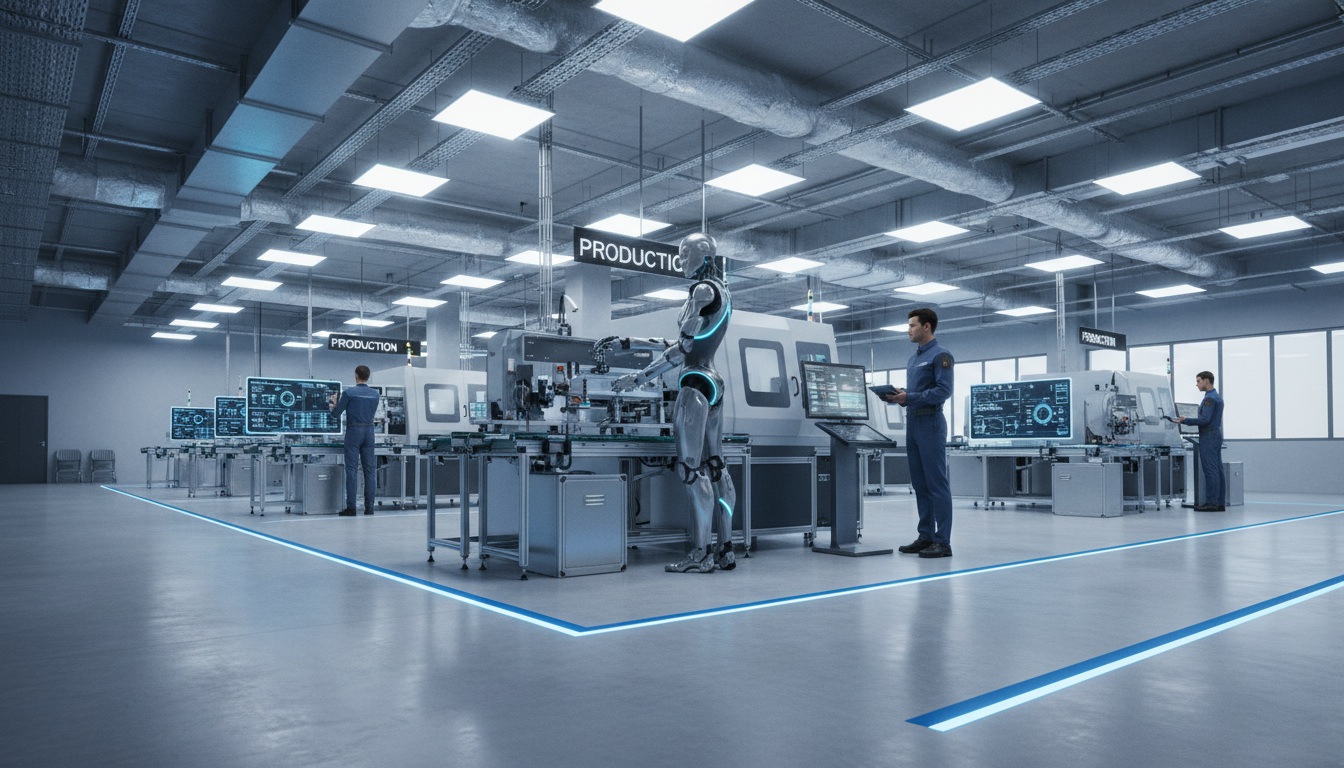
The integration of robotics in industries is not just about replacing human labor. Instead, it focuses on enhancing capabilities and enabling workers to engage in more complex tasks. As companies invest in robotics, they are also investing in the upskilling of their workforce, creating new opportunities for growth and development.
Opportunities and Challenges
The introduction of robotics in the workforce presents both opportunities and challenges. On one hand, automation can lead to significant cost savings and increased production rates. On the other hand, it poses the risk of job displacement, especially for low-skilled workers.
Governments and businesses in Southeast Asia are aware of these challenges and are actively working to address them. Initiatives are being implemented to reskill workers, ensuring they remain relevant in an increasingly automated world. This proactive approach is crucial for balancing technological advancements with social responsibility.

Sector-Specific Impacts
Different sectors are experiencing unique impacts from the integration of robotics. In manufacturing, robots are taking over repetitive and hazardous tasks, freeing up human workers for more strategic roles. In agriculture, drones and automated machinery are increasing yields and efficiency.
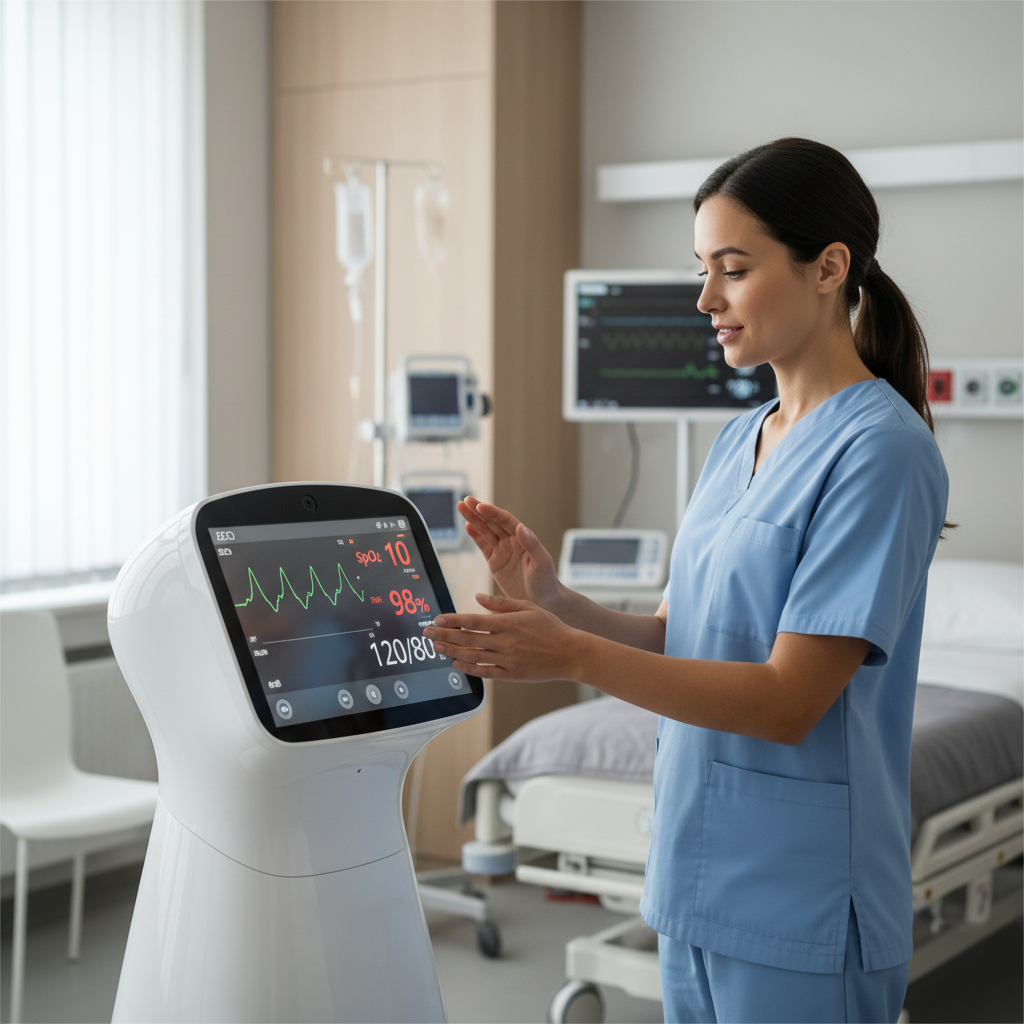
The healthcare sector is also witnessing a revolution, with robotic-assisted surgeries and automated diagnostics improving patient outcomes. These advancements are not only enhancing service delivery but also creating new job roles that require specialized skills.
Preparing for a Robotic Future
To ensure a smooth transition into a future dominated by robotics, education systems in Southeast Asia are evolving. Schools and universities are incorporating STEM (Science, Technology, Engineering, and Mathematics) curricula to prepare the next generation for tech-centric careers.
Additionally, partnerships between educational institutions and industry players are fostering innovation and practical learning experiences. These collaborations are essential for bridging the gap between theoretical knowledge and real-world applications.
The Role of Policy and Regulation
Effective policy and regulation play a pivotal role in managing the impact of robotics on the workforce. Governments in Southeast Asia are crafting policies that encourage innovation while protecting workers' rights. This includes setting guidelines for ethical AI use and ensuring fair labor practices.
By implementing a balanced regulatory framework, Southeast Asia can harness the benefits of robotics while mitigating potential negative impacts. This approach is vital for achieving sustainable growth and social equity in the region.

Conclusion
The impact of robotics on Southeast Asia's future workforce is profound and multifaceted. While challenges exist, the region is poised to leverage these technologies for economic growth and improved quality of life. By focusing on education, policy, and innovation, Southeast Asia can successfully navigate the complexities of a robotic future.