
What Industries Benefit Most from Industrial Robots? An In-Depth Analysis


In recent years, the adoption of industrial robots has transformed various sectors, enhancing efficiency, productivity, and safety. As technology continues to advance, the impact of robotics becomes even more pronounced across different industries. But which industries benefit the most from industrial robots? Let's delve into this topic.
Automotive Industry
The automotive industry is perhaps the most prominent adopter of industrial robots. From assembly lines to painting and welding, robots are integral to the manufacturing process. The precision and consistency that robots provide help manufacturers meet high-quality standards and reduce production costs.
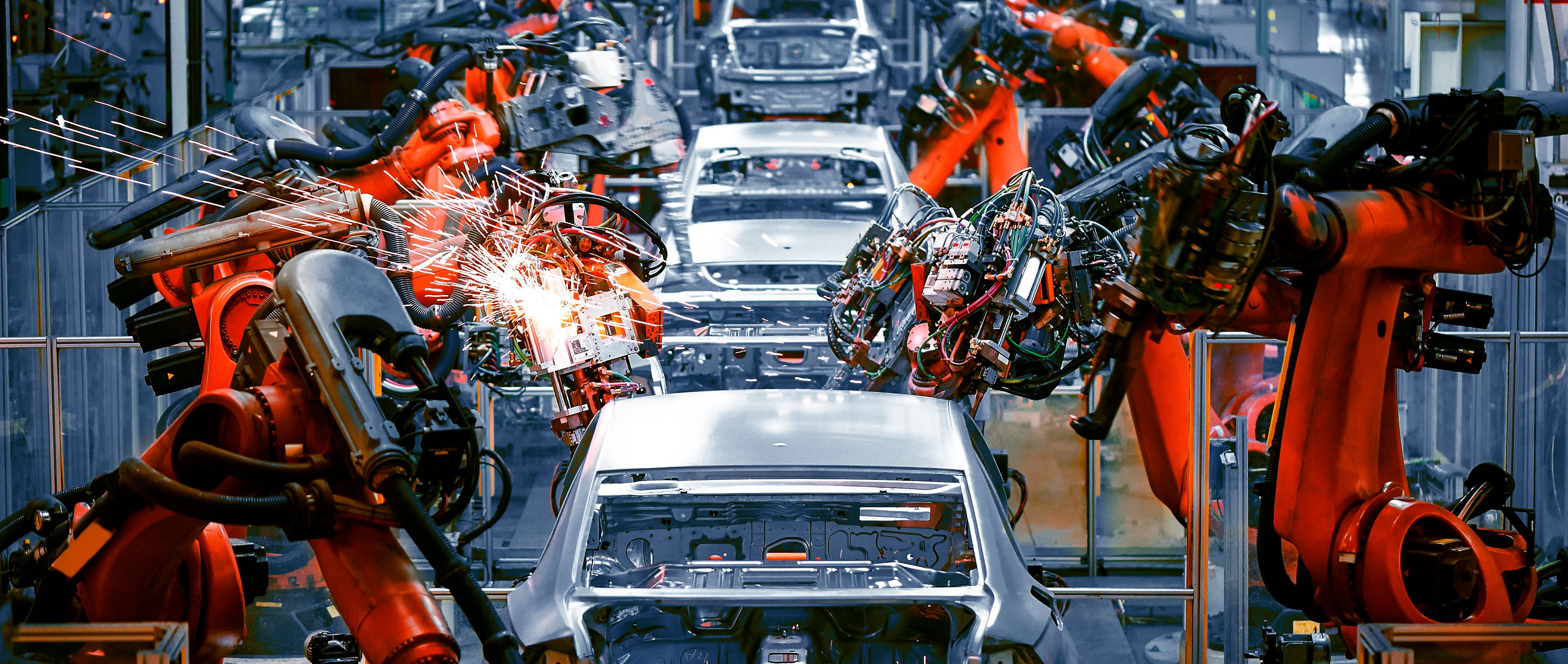
Key Benefits in Automotive
Robots in the automotive sector offer several key benefits:
- Increased Production Speed: Robots work faster than human workers, increasing the speed of production.
- Enhanced Quality Control: With precise movements, robots ensure each product meets stringent quality standards.
- Improved Worker Safety: Automation reduces the need for human involvement in dangerous tasks.
Electronics Manufacturing
The electronics industry heavily relies on industrial robots for tasks that require high precision, such as assembling tiny components on circuit boards. The demand for smart devices and advanced electronics continues to rise, making robotics an essential part of the manufacturing process.
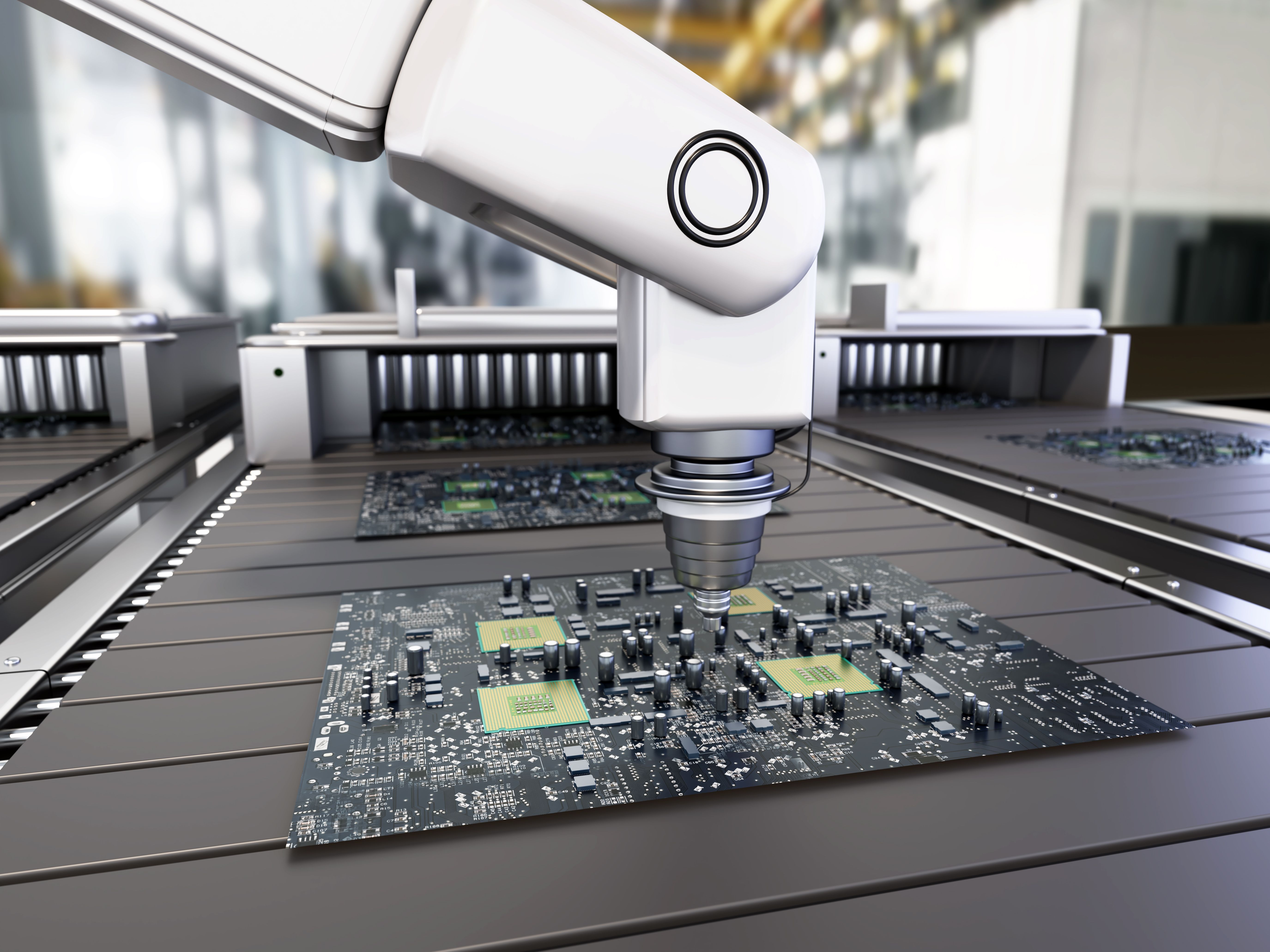
Precision and Efficiency
In electronics manufacturing, robots contribute to:
- Reducing Human Error: Robots perform repetitive tasks with high accuracy, minimizing errors.
- Ensuring Consistency: High precision in tasks leads to consistent quality across products.
- Meeting Demand: Robots help scale up production to meet growing consumer demand.
Food and Beverage Industry
Robots are becoming increasingly important in the food and beverage industry, especially in packaging, sorting, and quality control. The ability of robots to handle delicate products with care is a significant advantage in this sector.
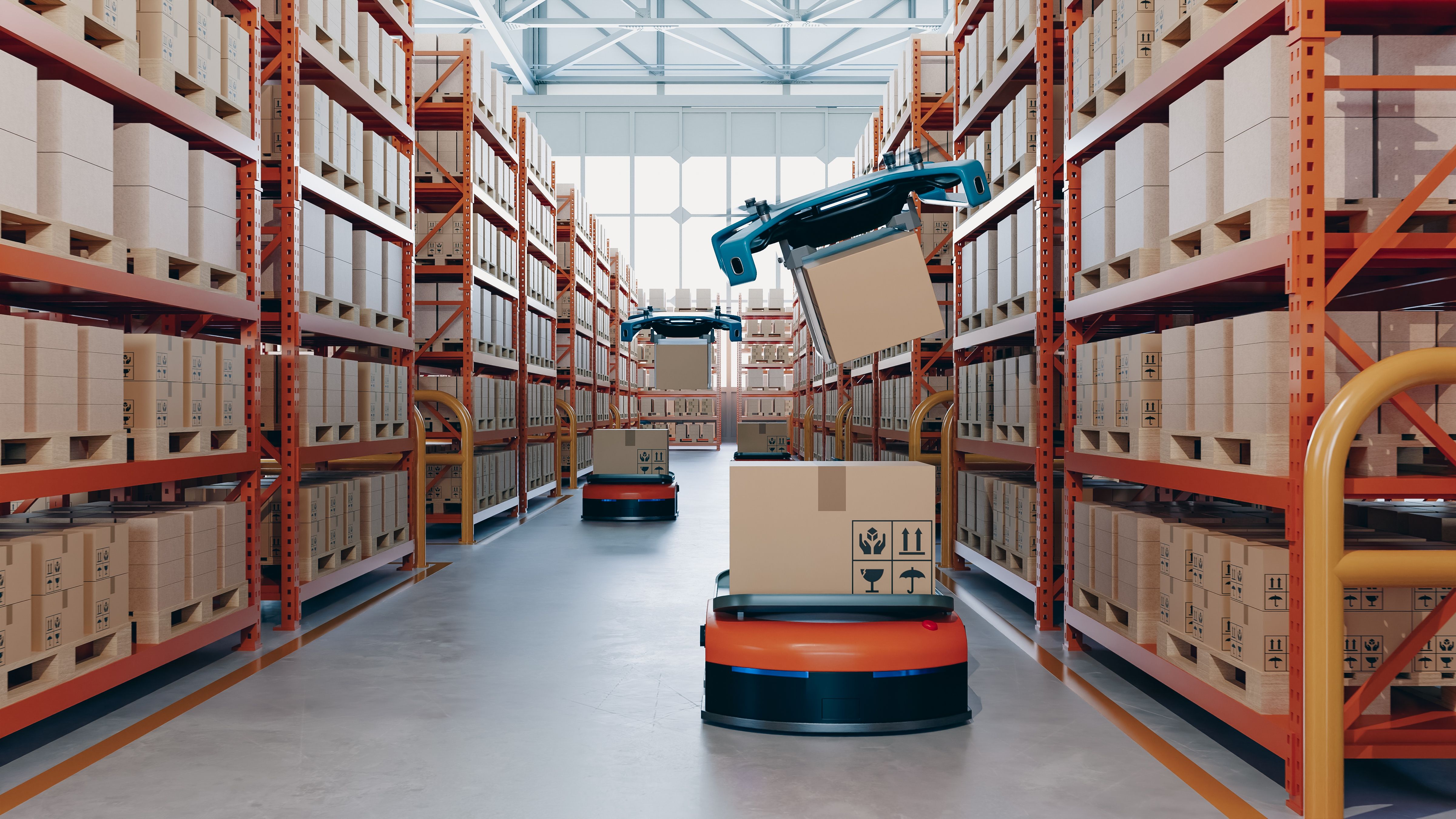
Advantages in Food Processing
Industrial robots in the food sector offer several advantages:
- Hygiene and Safety: Robots reduce contamination risks by minimizing human touch.
- Efficiency in Packaging: Automated systems speed up the packaging process.
- Quality Assurance: Robots ensure product consistency and quality through advanced sensors and cameras.
Pharmaceutical Industry
The pharmaceutical industry benefits from robots in research, development, and manufacturing. Robots handle hazardous materials, ensuring safety and precision in drug production and packaging. Automation also accelerates the development of new medicines.
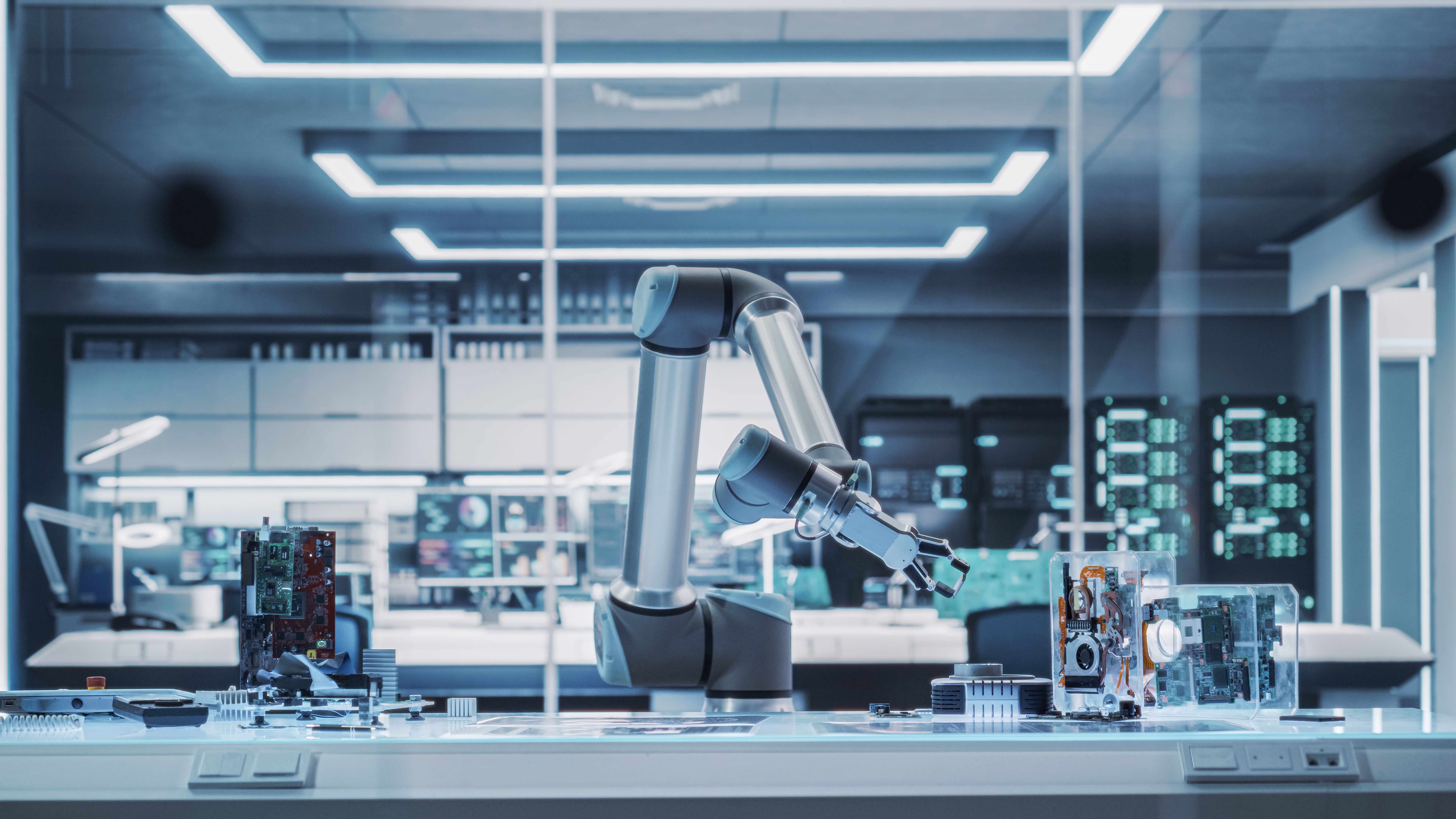
Contribution to Pharmaceuticals
Key contributions of robots in this sector include:
- Precision in Dosage: Robots ensure accurate dosing, which is critical in pharmaceuticals.
- Speeding Up Research: Automating repetitive tasks allows researchers to focus on innovation.
- Enhanced Safety: Robots handle toxic substances, reducing risks to human workers.
In conclusion, the integration of industrial robots across various sectors has revolutionized how industries operate. As technology advances, the potential for robotics to further enhance productivity and safety becomes limitless. Industries that embrace this evolution will continue to thrive in an increasingly competitive global market.