
What Industries in Malaysia Benefit Most from Industrial Robots?


Introduction to Industrial Robots in Malaysia
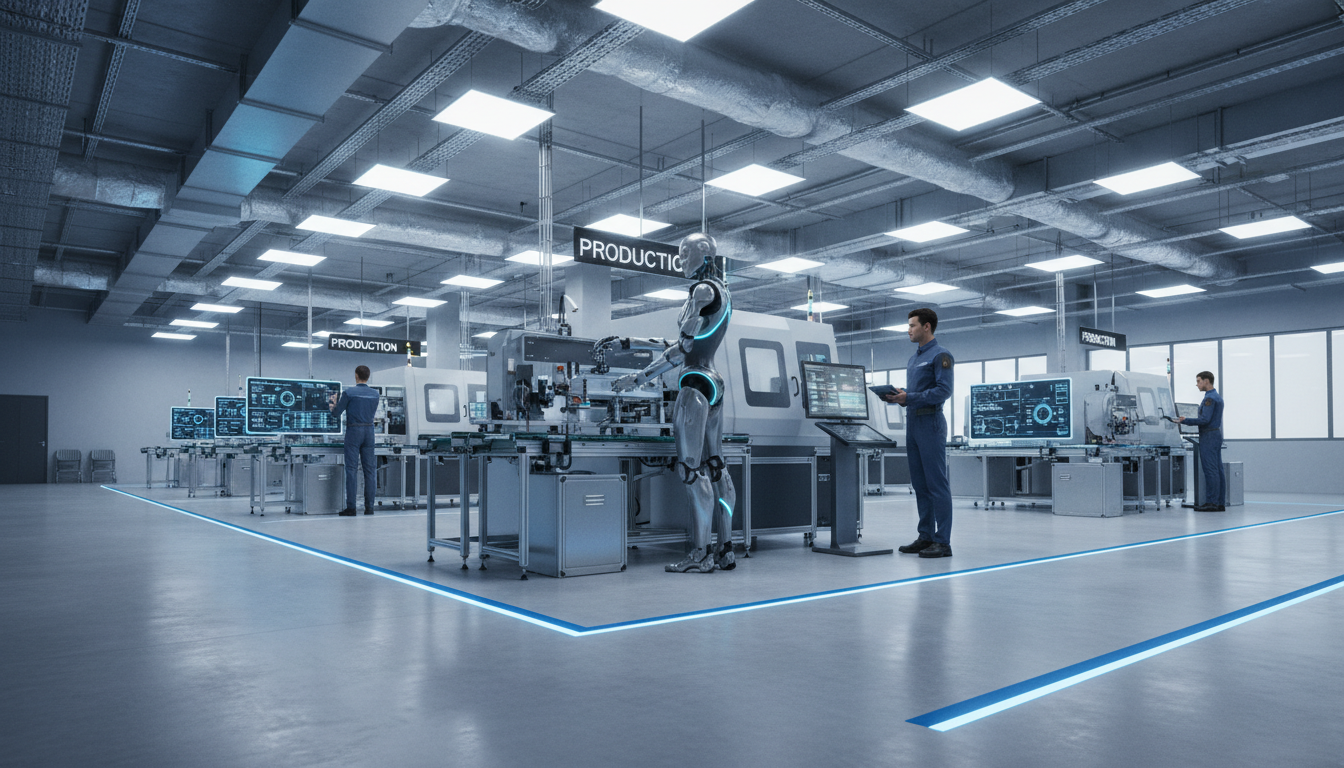
Malaysia has been rapidly advancing in the realm of industrial automation, with industrial robots playing a significant role. These robots have become crucial in various sectors, enhancing productivity and efficiency. As industries strive for modernization, understanding which sectors benefit most from these technological advancements is essential.
Automotive Industry
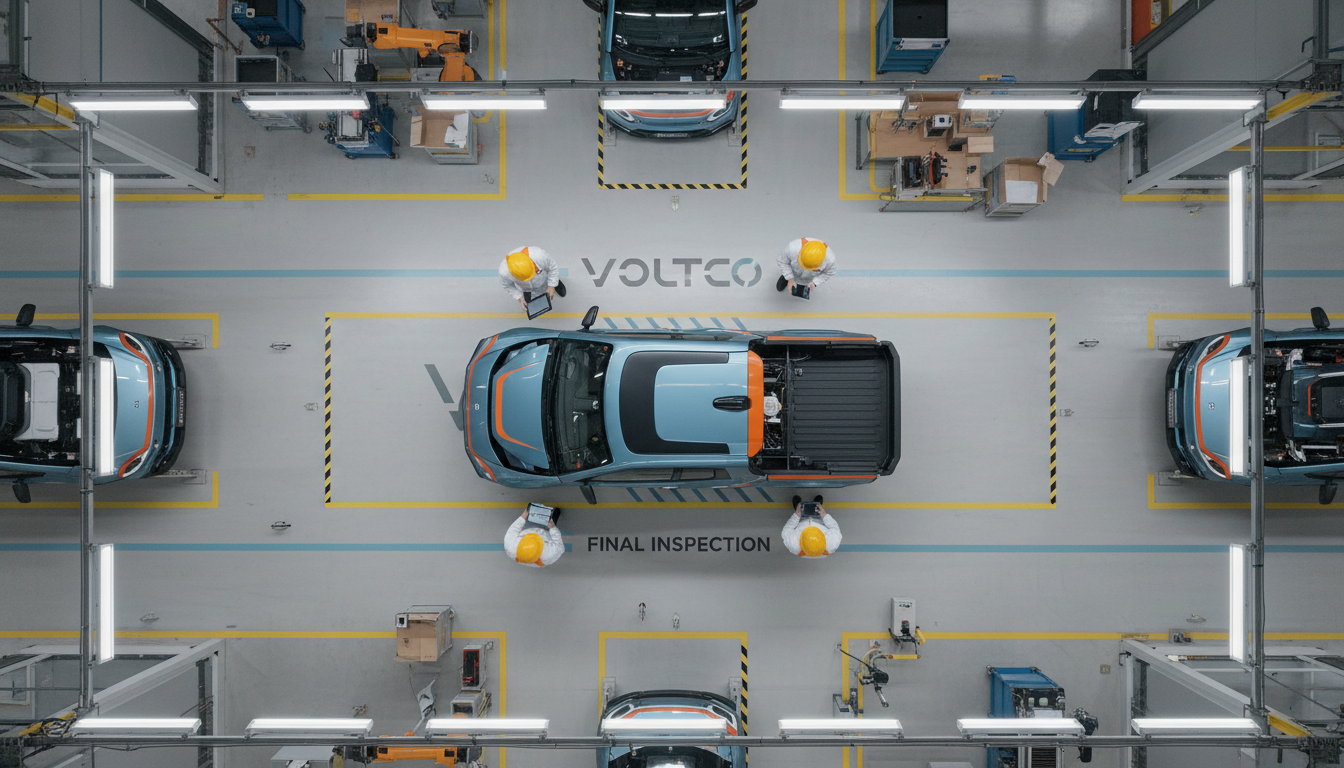
The automotive industry in Malaysia is a major beneficiary of industrial robots. With the demand for higher precision and efficiency, robots are used extensively for assembly, welding, painting, and inspection processes. This automation not only improves the quality of vehicles but also speeds up production lines, allowing for faster time-to-market.
Enhancing Precision and Quality
Robots ensure that each component is assembled with high precision. This results in consistent quality across all vehicles, reducing errors and waste. As a result, manufacturers can maintain high standards, meeting both local and international demands.
Electronics Manufacturing
Another sector that benefits significantly from industrial robots is electronics manufacturing. Malaysia is a hub for electronics production, and the use of robots in this industry has revolutionized the way products are made. Robots handle delicate components with care, ensuring minimal damage and high efficiency.
Speeding Up Production
In electronics manufacturing, speed is of the essence. Robots can work continuously without fatigue, drastically reducing the time required to produce electronic components. This capability is crucial in meeting global demand and staying competitive in the market.

Food and Beverage Industry
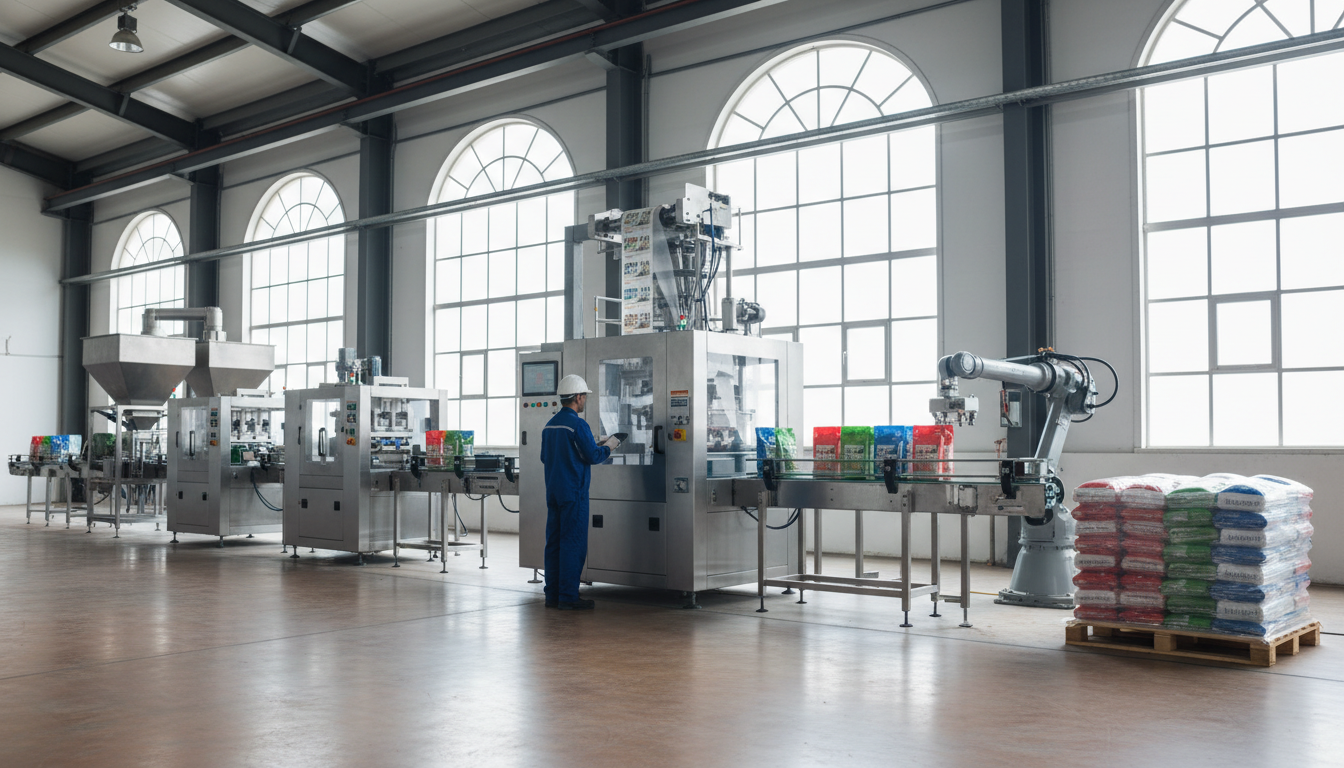
The food and beverage industry in Malaysia has also embraced industrial robots. These robots aid in various processes such as packaging, sorting, and quality control. By automating these tasks, companies can achieve higher hygiene standards and reduce human error.
Improving Hygiene and Safety
Robots help maintain stringent hygiene standards by minimizing human contact with food products. This reduces the risk of contamination and ensures that products are safe for consumption. Additionally, robots can handle hazardous tasks, enhancing workplace safety.
Conclusion
Industrial robots are transforming industries in Malaysia, offering numerous benefits such as increased efficiency, precision, and safety. As these technologies continue to evolve, more sectors are likely to leverage robotic automation to stay competitive and meet growing demands. Embracing this change is crucial for businesses aiming to thrive in the modern industrial landscape.